







The Illusion of a Full Plate
For decades, the primary concern around nutrition in India was about getting enough food, measured in calories. However, as incomes rise and lifestyles change, the focus is shifting. Today, a new problem has taken root, one that is less visible but equally
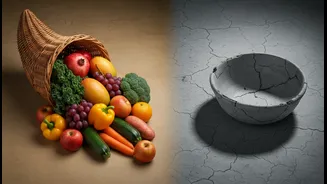
dangerous: the gap between calorie consumption and micronutrient quality. Many Indians are now consuming enough—or even too many—calories from staple grains like rice and wheat, along with fats and sugars. Yet, their diets often lack the essential vitamins and minerals—like iron, vitamin A, zinc, and folate—that are crucial for physical and cognitive development, a strong immune system, and overall health. This phenomenon is often called 'hidden hunger'.
The Rise of Hidden Hunger
Hidden hunger is a silent epidemic. A person can look well-fed and have a full stomach but still suffer from debilitating nutrient deficiencies. According to the National Family Health Survey (NFHS-5), anaemia, a condition strongly linked to iron deficiency, affects a staggering 57% of women of reproductive age and 67% of children under five. Deficiencies in other key micronutrients like vitamin D, vitamin B12, and zinc are also widespread across the population. This happens because as traditional, diverse diets rich in millets, pulses, and local vegetables are replaced by more monotonous, processed alternatives, the nutritional quality of the average food basket declines. An average Indian household now derives more calories from processed foods than from fruits, creating a major public health challenge.
The Double Burden of Malnutrition
This nutritional shift is creating a 'double burden' of malnutrition, where undernutrition and overnutrition coexist, sometimes within the same community or even the same family. On one hand, stunting and wasting among children remain persistent problems, fueled by a lack of nutrient-dense foods. On the other hand, the increased consumption of ultra-processed foods, high in sugar, salt, and unhealthy fats, is driving a rapid rise in obesity and non-communicable diseases (NCDs) like diabetes and heart disease. Studies show that diets low in fruits and vegetables but high in processed items are a leading contributor to India's increasing NCD burden, which now accounts for over 60% of all deaths in the country.
Why Our Plates Are Changing
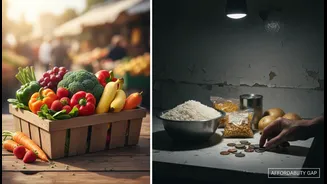
Several factors are driving this dietary transition. Rapid urbanisation, rising incomes, and greater exposure to Western food culture have led to a surge in the availability and consumption of convenient, ultra-processed foods. These items are often marketed aggressively, are shelf-stable, and provide a quick source of calories, making them appealing to busy, modern families. Simultaneously, the share of traditional staples like coarse cereals and pulses in the food basket has declined. Economic factors also play a major role; for many, a healthy diet rich in fruits, vegetables, and diverse proteins is simply unaffordable. This forces a reliance on cheaper, calorie-dense foods that fill the stomach but leave the body starved of essential nutrients.