

A New Perspective on Farming
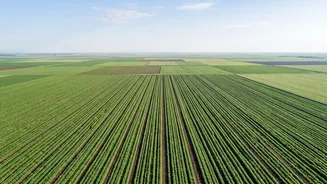
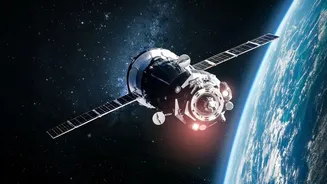
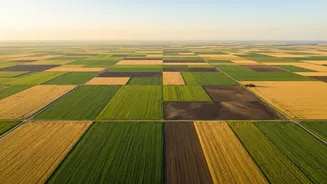
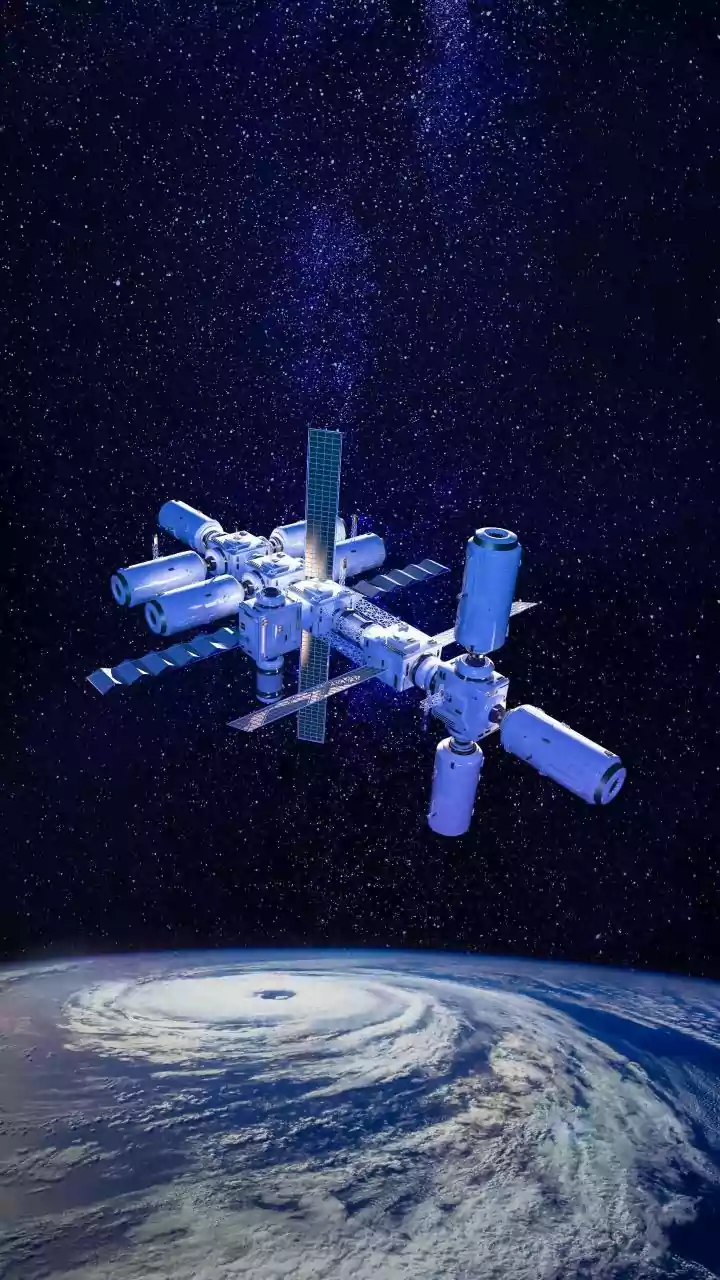
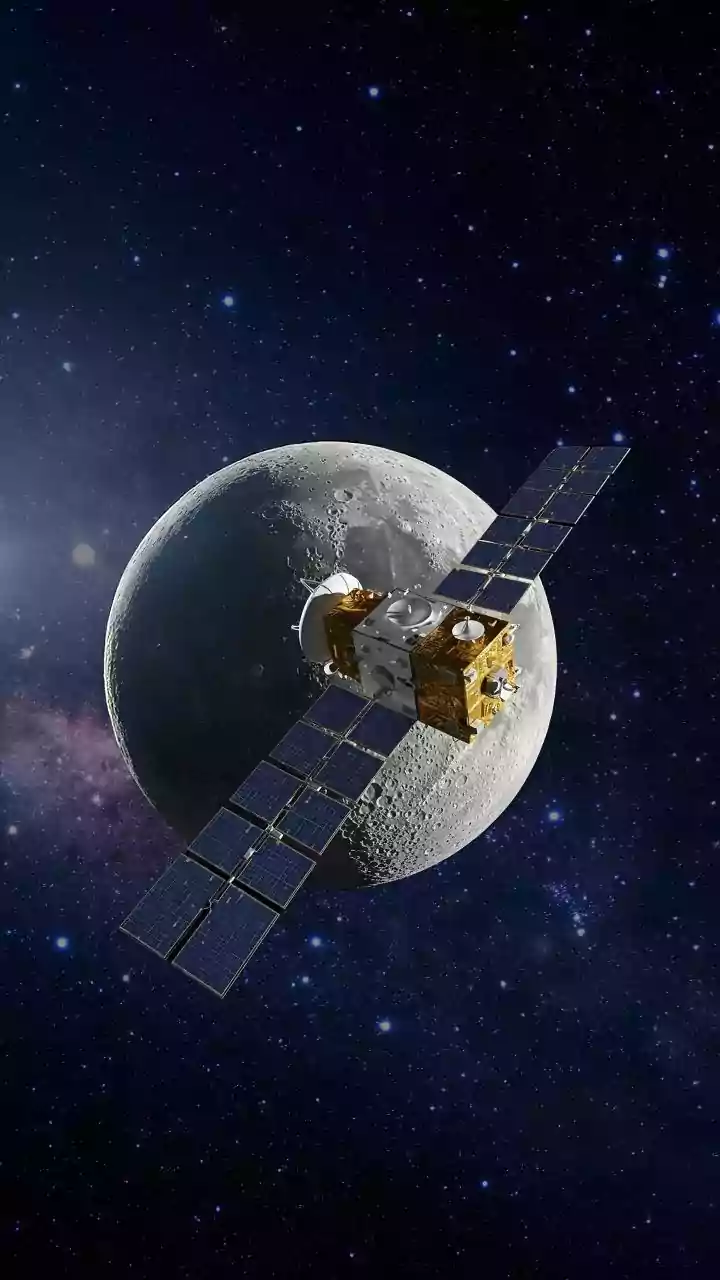
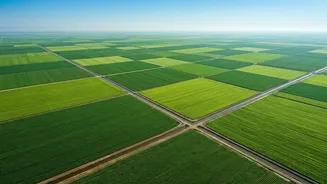
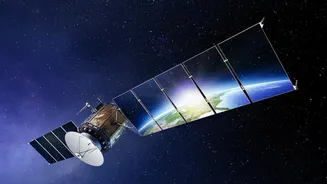
For generations, farming has been a hands-on, ground-level profession. Today, that is changing. Satellites orbiting Earth provide a powerful tool for monitoring vast agricultural lands with incredible precision. Instead of relying solely on physical field
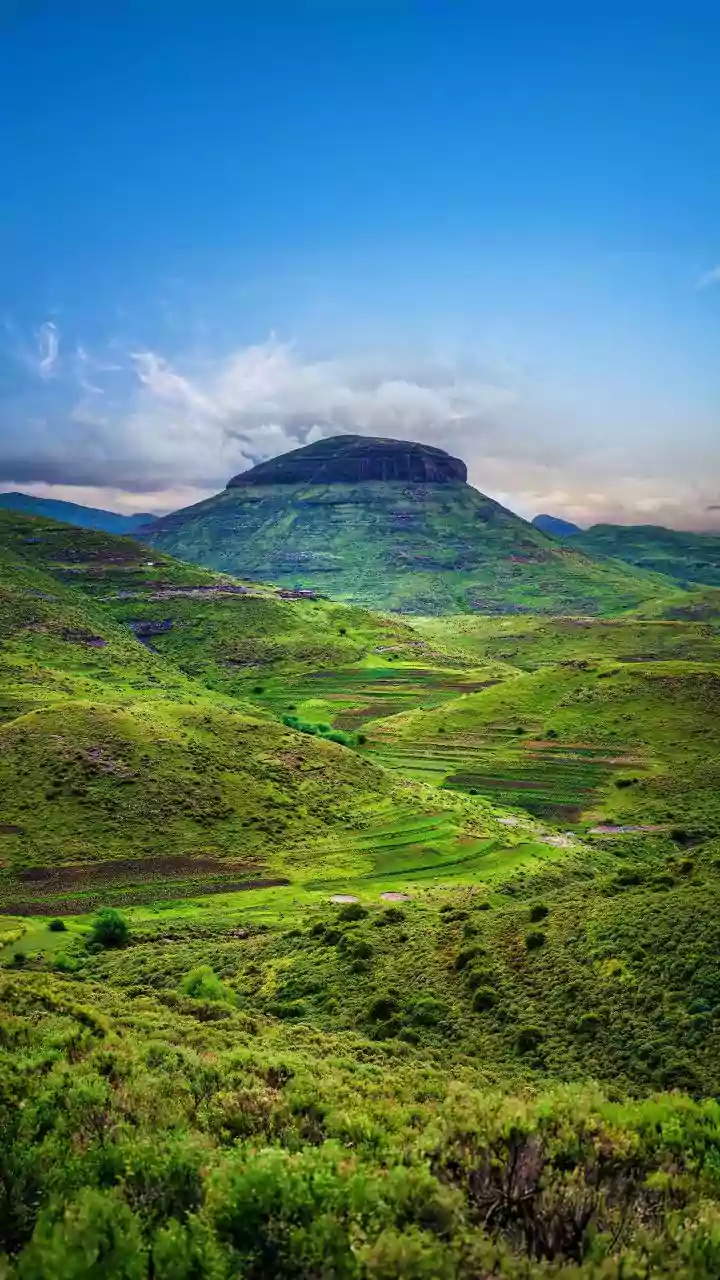
visits, which are time-consuming and limited in scope, satellite imagery offers a complete picture of millions of fields at once. This technology allows for the continuous tracking of crop development, soil conditions, and weather patterns, helping farmers and policymakers make informed decisions. In India, where agriculture employs a vast portion of the population, this technology is becoming a cornerstone of national food security efforts.
Decoding the Colours of a Crop
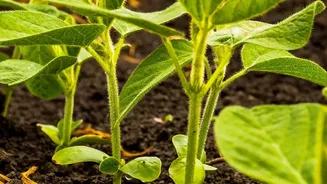
One of the most powerful tools derived from satellite data is the Normalized Difference Vegetation Index, or NDVI. It works by measuring how plants reflect light. Healthy, thriving vegetation absorbs most of the visible red light for photosynthesis while reflecting near-infrared light. Stressed, diseased, or dehydrated plants do the opposite. By calculating the difference between these reflected light values, satellites generate an NDVI score from -1 to +1. A high score indicates dense, healthy greenery, while low scores can signal a problem like nutrient deficiency, pest infestation, or water stress, often before it's visible to the naked eye. This allows farmers to move from guesswork to data-driven action, identifying specific problem zones within a large field that require attention.
More Than Just Plant Health
While NDVI is a key metric, satellite data reveals much more about agricultural conditions. Advanced sensors can estimate soil moisture, a critical factor for irrigation planning. By tracking water levels and soil characteristics, farmers can optimise their water use, applying it only when and where it's needed most. This practice, known as precision agriculture, helps conserve water and reduce costs. Furthermore, satellites can monitor weather patterns, providing early warnings for events like droughts or floods. Radar-based satellites have the added advantage of being able to see through clouds, which is especially crucial for monitoring crops during India's monsoon season. This all-weather capability ensures a continuous flow of information, regardless of conditions on the ground.
From Data to Decision-Making
The raw data from satellites is translated into actionable insights for farmers, often delivered through simple mobile apps. This approach means farmers don't need to be data scientists to benefit; they receive clear advisories on their phones. For example, an alert might pinpoint a section of a field with low NDVI values, prompting the farmer to investigate that specific area for pests or lack of nutrients. This allows for targeted application of fertilisers or pesticides, which not only saves money but also minimises environmental impact. On a larger scale, government bodies like the Indian Space Research Organisation (ISRO) use this data for national programmes. Initiatives such as FASAL (Forecasting Agricultural output using Space, Agro-meteorology and Land-based observations) use satellite information to forecast crop production, manage food supply chains, and assess the impact of droughts.
The Future of Indian Agriculture
The integration of satellite technology is making Indian agriculture smarter and more resilient. By providing early warnings and precise information, it empowers farmers to increase yields and reduce losses. Studies have shown that using satellite-based advisories can improve productivity while cutting input costs. This technology is also vital for crop insurance schemes, where it is used to assess damage from natural disasters more accurately and process claims faster. As India continues to invest in its own satellite constellations and data analytics platforms, the accessibility and detail of this information will only grow. This shift from generalised advice to field-specific, real-time intelligence promises to secure livelihoods for millions of smallholder farmers and ensure a stable food supply for the entire nation.