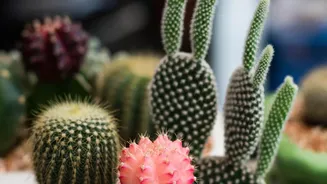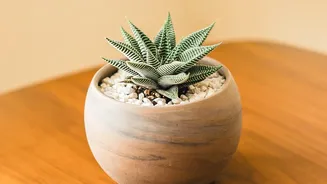

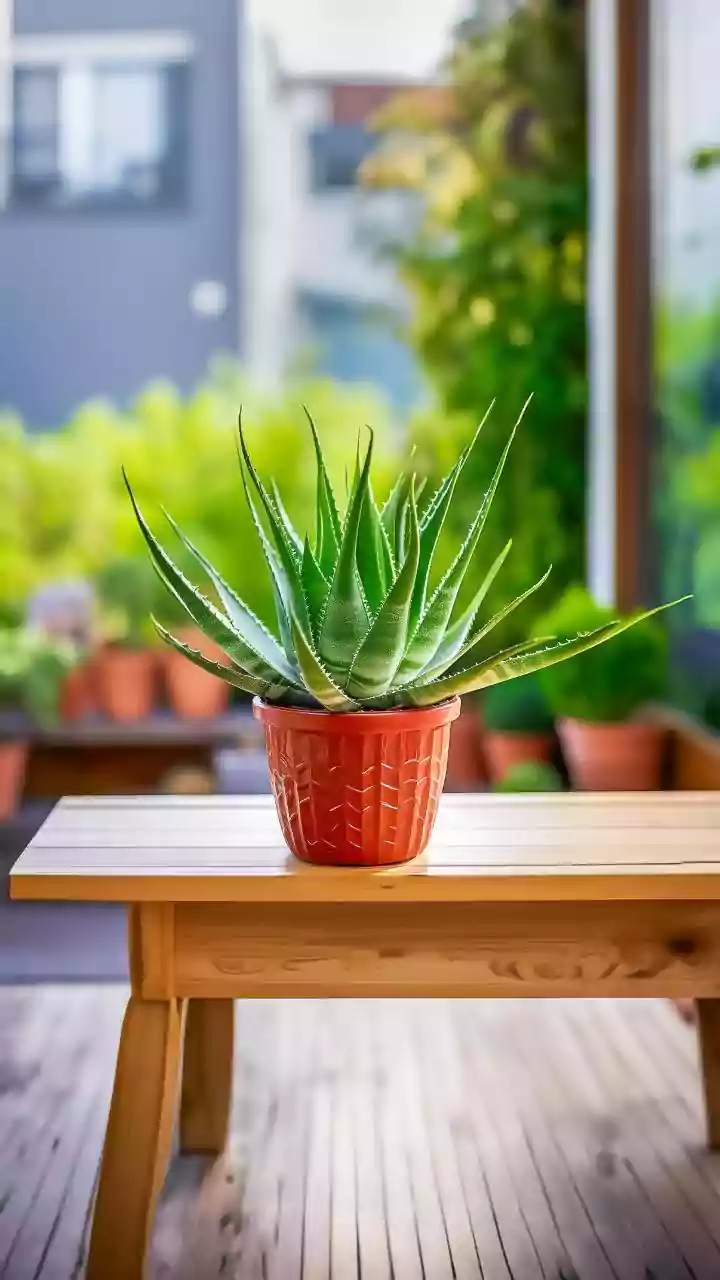
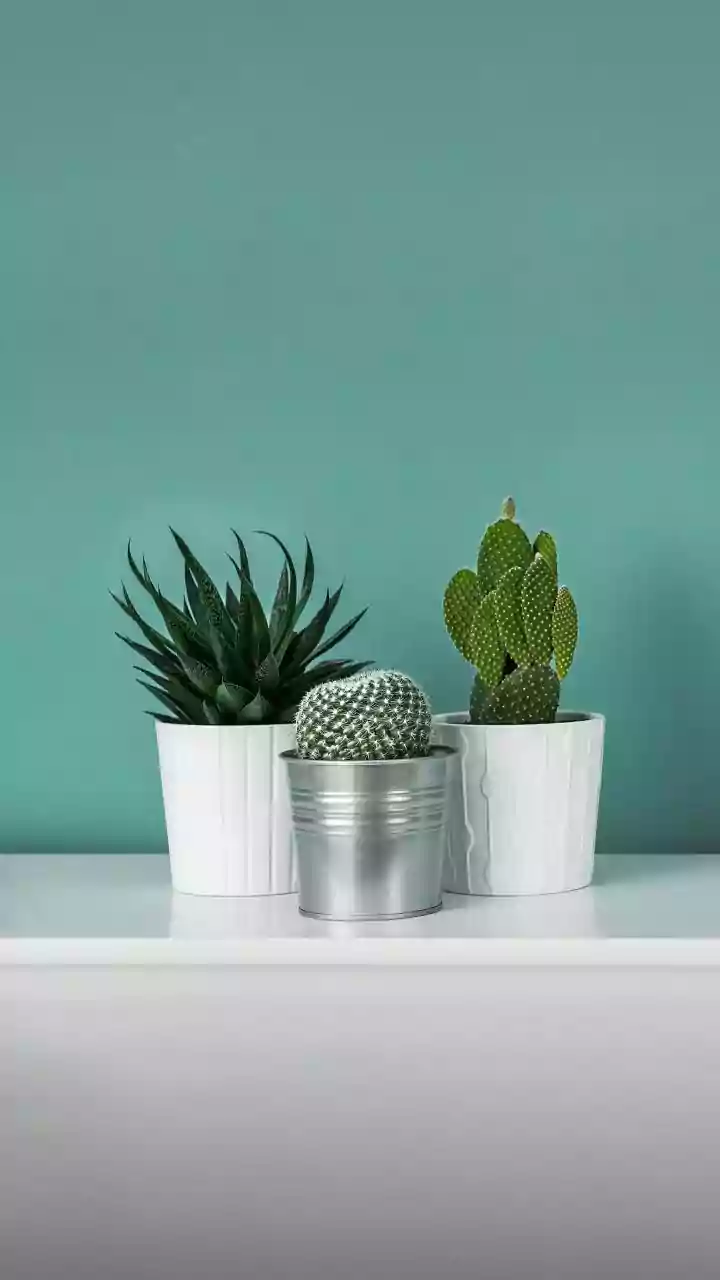


Desert plants like cacti and succulents are beloved for their striking looks and supposed low-maintenance charm. Yet, many plant lovers kill them with kindness, and the culprit is almost always water. The secret isn't a complex schedule, but a simple
rule.
The Golden Rule: Soak and Dry
The single most important principle for watering desert plants is the 'soak and dry' method. These plants have evolved to survive long periods of drought, followed by infrequent, heavy rainfall. Their roots are not designed to sit in constantly moist soil, which is the fastest path to root rot, a fungal disease that is often fatal. Watering on a fixed schedule, like every Sunday, is a common mistake because it ignores the plant's actual needs, which change with the seasons, light, and humidity. Instead of a calendar, your guide should be the soil itself. The rule is simple: wait until the soil is completely bone dry, then water thoroughly.
How to Tell When Soil Is Dry
Relying on sight alone can be deceiving; the top layer of soil often looks dry while the root zone is still damp. To be sure, you need to check deeper. The easiest method is the finger test: stick your finger about two inches into the soil. If you feel any moisture, wait. For smaller pots, you can gauge the weight; a pot with dry soil will feel noticeably lighter than one with wet soil. Another reliable technique is using a simple wooden skewer or chopstick. Push it gently to the bottom of the pot, leave it for a minute, and pull it out. If it comes out clean and dry, it's time to water. If it has damp soil clinging to it, the plant needs more time to dry out.
The Right Way to Water
Once you've confirmed the soil is dry, it's time to soak it. Water the plant thoroughly, pouring water evenly over the soil surface until it begins to flow freely from the drainage hole at the bottom of the pot. This deep watering encourages roots to grow down, creating a stronger, more resilient plant. Avoid small, frequent sips of water, which only wet the topsoil and can lead to weak, shallow roots. After watering, make sure to empty any excess water from the saucer. Letting a pot sit in a tray of water completely negates the 'dry' part of the cycle and will lead to root rot.
Decoding Distress Signals
Plants will tell you what they need if you learn their language. The signs of underwatering are often mistaken for overwatering. An underwatered succulent will have wrinkled, shrivelled, or deflated-looking leaves as it draws on its internal water stores. The leaves may feel soft but not mushy. Conversely, an overwatered succulent will have soft, mushy, and sometimes translucent leaves that may turn yellow or brown. These leaves have absorbed so much water that their cell walls have burst. When in doubt, it is always safer to wait a few more days before watering, as succulents recover from being too dry far more easily than they do from rot.
Adjusting for the Seasons
A plant's water needs are not static throughout the year. Most desert plants do their active growing in the spring and summer, when days are longer and warmer. During this period, they will need more frequent watering—perhaps every 7 to 14 days, depending on conditions. In the autumn and winter, as light levels decrease and temperatures drop, these plants enter a dormant or rest period. Their growth slows dramatically, and so does their water consumption. During dormancy, you might only need to water once every month or even less. For some species, stopping water entirely during winter is recommended. Always check the soil first, regardless of the season.
Soil and Potting Matter
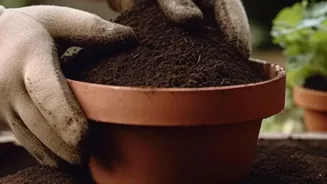
Proper watering technique can be undermined by the wrong setup. The 'soak and dry' method depends on soil that can actually dry out efficiently. Standard potting soil holds too much moisture for too long. Use a specially formulated cactus and succulent mix, or create your own by amending potting soil with gritty materials like perlite, pumice, or coarse sand to improve drainage. Furthermore, always use a pot with a drainage hole. Without an escape route for excess water, the roots will be left sitting in a hidden puddle, making root rot almost inevitable. Terracotta pots are an excellent choice as their porous nature helps the soil dry out more quickly.