




The K-Wave Reaches the Beauty Shelf
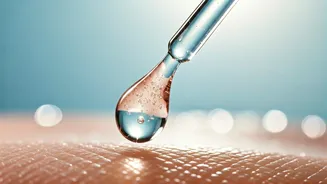
The Korean wave, or Hallyu, has done more than just get us hooked on K-dramas and K-pop. It has fundamentally reshaped our approach to skincare. The allure of 'glass skin'—a complexion so dewy, smooth, and luminous it looks like it’s made of glass—has
captivated a generation of Indian consumers. This isn't just about chasing a trend seen on screen; it's a pivot towards a philosophy that prioritises skin health over concealment. While Western beauty often focuses on quick fixes and heavy makeup, the Korean approach is a long-term commitment to nurturing the skin through hydration, protection, and gentle, consistent care. This resonates deeply in a culture that has always valued natural radiance.
A Fusion, Not a Replacement
Crucially, this isn’t about abandoning traditional Indian wisdom. Think of it as a thoughtful fusion. Women and men across India are not throwing out their grandmother’s recipes; they are enhancing them with Korean innovation. It’s about cherry-picking the best of both worlds. For example, the Indian practice of using a nourishing oil massage might now be preceded by a Korean-style double cleanse to ensure the skin is perfectly prepped. A calming turmeric and sandalwood pack on a Sunday might be followed by a hydrating hyaluronic acid sheet mask to lock in moisture. This hybrid approach allows for a routine that is both deeply personal and highly effective, combining the time-tested benefits of Ayurvedic ingredients with the targeted, scientific formulations of K-beauty.
Beyond the 10-Step Myth
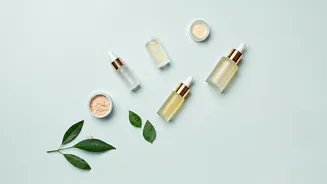
The infamous 10-step Korean skincare routine can sound intimidating, but its adoption in India is more about principle than prescription. The core idea is not to use ten products for the sake of it, but to understand the concept of layering. It’s about applying products in a specific order, from the thinnest consistency to the thickest, to allow for maximum absorption. The Indian adaptation is often a more streamlined 4- or 5-step version focusing on key pillars: cleansing thoroughly (double cleansing), toning to balance pH, treating with a potent serum, moisturising to build the skin barrier, and most importantly, applying sunscreen religiously. It’s the philosophy of mindful layering, not the literal number of steps, that has truly taken root.
The New Ingredient Vocabulary
This trend has introduced a new vocabulary into the Indian beauty lexicon. Ingredients once known only to skincare aficionados are now mainstream. Centella Asiatica (or Cica), a healing herb, is sought after for its calming properties, perfect for soothing inflammation in India's hot and humid climate. Snail mucin, despite its unusual origin, has become a holy grail for its ability to hydrate and repair. Niacinamide is celebrated for tackling pores and pigmentation, common concerns for Indian skin tones. These ingredients aren't just novelties; they work in concert with traditional powerhouses like neem (anti-bacterial), saffron (brightening), and ashwagandha (anti-stress), creating a powerful, holistic regimen.
The Market Responds
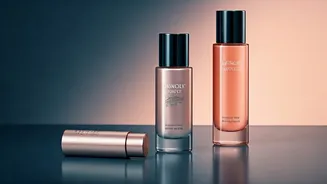
The clearest sign of this fusion's success is how the local market has responded. Homegrown Indian brands are now launching their own lines of cica-infused creams, rice water toners, and peptide-rich serums. They are formulating products that offer K-beauty benefits but are specifically tailored for Indian skin types and environmental conditions. This has made the trend more accessible and affordable, moving it from a niche interest to a mainstream movement. The result is a vibrant, exciting beauty landscape where consumers are more educated, empowered, and equipped than ever to build a routine that truly works for them.