






Meta is undertaking one of the largest infrastructure buildouts in tech history, spending astronomical sums on AI. A recent leadership shake-up in its infrastructure division highlights just how critical this expensive bet is for its future.
A Change at the Top
Meta recently
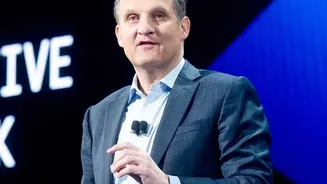
announced a significant leadership transition in its infrastructure division, the very group responsible for building the foundation of its artificial intelligence ambitions. Santosh Janardhan, a 17-year veteran who has been a key architect of Meta's global data centers and networks, will be stepping down in early 2027. He will be succeeded by David Brown, a former senior vice president from Amazon Web Services (AWS) who joined Meta in July 2026. The handover is critical, as Brown, who will also serve as CTO of the 'Meta Compute' initiative, inherits the monumental task of steering an infrastructure expansion with a budget that dwarfs the GDP of many countries. The move signals Meta's intent to bring in seasoned leadership from the world of cloud computing to manage its next phase of hyper-growth.
The Scale of the AI Buildout
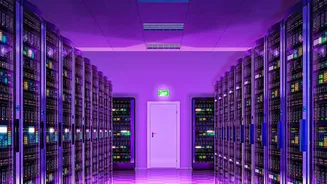
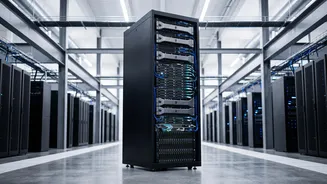
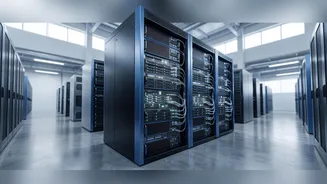
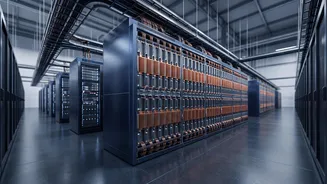
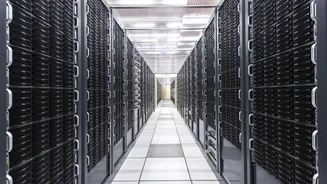
To understand the leadership change, you must first grasp the sheer scale of Meta's investment. The company's capital expenditure for 2026 is forecasted to be between $135 billion and $145 billion, with a huge portion dedicated to AI infrastructure. This includes building sprawling data center campuses, some of which are projected to cost tens of billions of dollars each. For instance, the 'Hyperion' project in Louisiana saw its estimated cost balloon from $10 billion to over $50 billion as its planned power capacity was massively increased. Similar multi-billion dollar projects are underway in Texas and Ohio. CEO Mark Zuckerberg has stated the goal is to build 'tens of gigawatts' of compute capacity this decade, an amount of power that is difficult to comprehend.
What is 'Compute Capacity'?
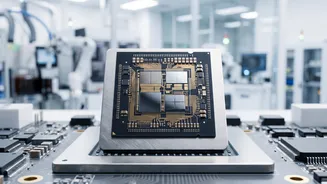
In simple terms, 'compute capacity' refers to the raw processing power needed to run and train artificial intelligence models. Modern AI, especially large language models like Meta's Llama, requires an immense number of specialized chips, known as GPUs, working in concert. The more complex the AI model and the more data it needs to process, the more compute power is required. Meta's strategy is to 'front-load' its acquisition of this capacity, building clusters with tens of thousands of GPUs at a time. The company believes that securing this computational power is the single most important factor in developing higher-quality AI models that can power everything from better ad targeting to sophisticated personal assistants and the future of the metaverse.
Powering Future Products
This massive infrastructure isn't being built for its own sake. It is the engine intended to power Meta's next generation of products and maintain its competitive edge against rivals like Google, Microsoft, and Amazon. A primary goal is the development of more advanced versions of its Llama family of open-source AI models. Beyond that, Zuckerberg has spoken of creating AI-powered personal assistants, called 'Muse', for the company's billions of users. The long-term, and highly expensive, vision of the metaverse also relies on this underlying AI infrastructure. Interestingly, Meta is also exploring plans to rent out its excess compute capacity, creating a new cloud business that could compete directly with AWS and Google Cloud.
High Stakes and Headwinds
This colossal bet on AI is not without significant risks and challenges. The financial outlay is staggering, with Zuckerberg admitting he committed up to $200 billion to the AI push before there was a clear guarantee it would work. This level of spending has attracted investor scrutiny. Furthermore, these massive data centers consume enormous amounts of energy, raising environmental concerns and sometimes leading to political opposition in local communities. The transition in leadership to David Brown comes at a time when successfully converting these massive capital investments into tangible financial returns and dominant AI products is more crucial than ever for Meta's future.