



The Weight of Modern Pet Parenting
In India, as more of us live in urban apartments, our pets, especially cats, are living increasingly sedentary indoor lives. While this keeps them safe from outdoor dangers, it has contributed to a silent epidemic: feline obesity. That adorable round
belly might seem cute, but it can hide serious health risks, including diabetes, arthritis, and a shortened lifespan. Vets report that a significant percentage of the domestic cats they see are overweight or obese. The problem isn't a lack of love; it’s often a lack of opportunity for natural, instinctual movement in a contained environment.
Why Dieting Isn't the Full Story
The first instinct for any owner of a heavy cat is to cut back on food. While portion control is crucial—and a conversation you must have with your veterinarian—it’s only one part of the solution. Cats are not designed for long, grueling cardio sessions. Their bodies are built for short bursts of activity: stalking, pouncing, climbing, and exploring. Simply reducing calories without increasing activity can lead to a frustrated, hungry cat that loses muscle mass instead of fat. The real key to sustainable weight loss is to get them moving in a way that feels like play, not a chore.
Thinking Vertically: A Cat's World
The secret to encouraging feline fitness lies in understanding their nature. Cats are territorial and they survey their domain from above. In the wild, they climb trees to hunt, escape threats, and rest securely. This instinct doesn’t disappear just because they live in a high-rise flat. Your cat craves vertical space. Providing opportunities to climb and explore different levels in a room is one of the most effective forms of environmental enrichment. It engages their minds and their bodies, turning your home into a stimulating gym instead of a comfortable cage.
Enter Modular Wooden Steps
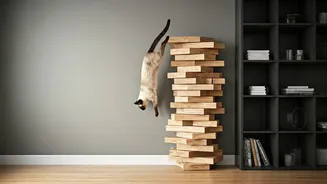
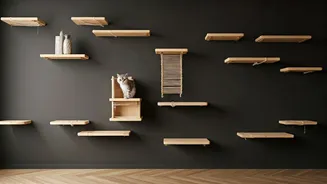
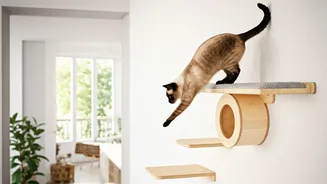
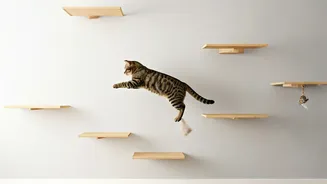
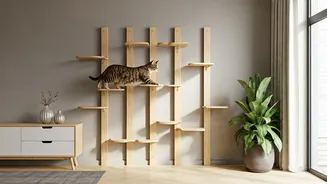
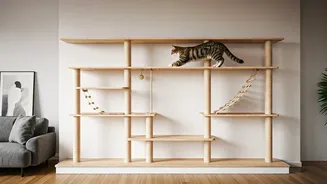
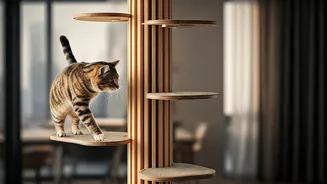
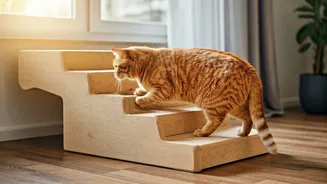
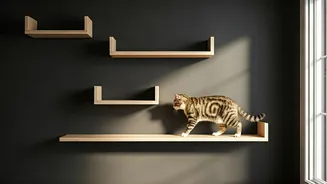
This is where modular wooden steps become a game-changer. Unlike a single, towering cat tree that a heavy cat might find intimidating or difficult to ascend, modular steps offer a gradual, low-impact pathway to higher places. They can be installed on a wall, leading up to a window perch, a shelf, or the top of a cupboard. The modular design allows you to create a custom staircase that fits your space and your cat's ability. For a heavy cat, each step is a small, achievable victory. It breaks down the daunting task of 'climbing' into a simple, rewarding action, encouraging movement without straining their joints.
Making the Steps a Success
Simply installing the steps isn't enough; you have to make them irresistible. Start by placing them strategically along a route your cat already finds interesting. The goal could be a sunny spot, a window with a view of birds, or their favourite sleeping blanket placed on a high shelf. Initially, you might need to entice them with treats or a laser pointer, guiding them up one step at a time. Securely fasten the steps to the wall—a wobbly step will deter even the bravest cat. The key is patience. Let your cat discover and conquer the new terrain at their own pace. Soon, they will be using the steps as part of their daily patrol, getting in mini-workouts throughout the day without even realizing it.
A Holistic Plan for a Healthier Cat
Modular steps are a fantastic tool, but they should be part of a broader wellness plan. First and foremost, consult your veterinarian. They can confirm if your cat is overweight, rule out any underlying medical issues, and recommend a target weight and appropriate daily calorie intake. Combine the new environmental enrichment with scheduled play sessions using feather wands or other engaging toys. Use puzzle feeders to make mealtime a mentally stimulating activity rather than a two-minute gobble. By pairing controlled nutrition with an environment that encourages natural movement, you are giving your beloved pet the best possible chance at a long, healthy, and happy life.