






Start With the Big Picture
Before you dive into the vibrant markets, take a moment to decide on a total budget. This isn't about limiting devotion, but celebrating wisely. Look at your finances and set a realistic amount you're comfortable spending across all festival needs. A
good practice is to create a dedicated 'Ganpati kitty' or festival fund, setting aside a small amount each month in advance. This prevents a large, one-time financial hit and allows for more mindful spending. Break this total down into key categories: the idol, decorations, puja supplies, food and prasad, and a small buffer for unexpected costs. A simple list or spreadsheet can help you track everything.
The Idol: The Heart of the Celebration
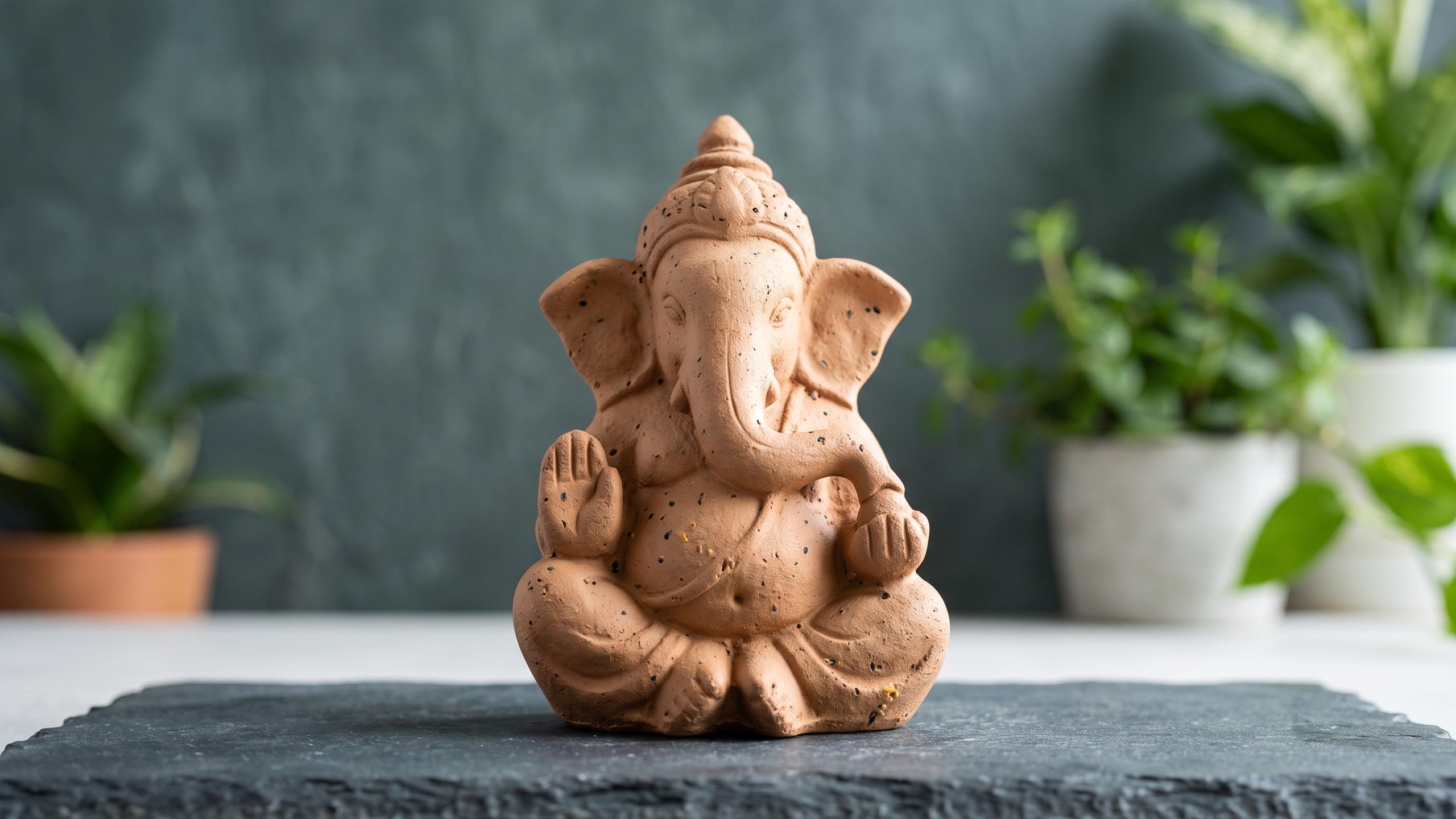
The Ganesha murti is the centrepiece of your celebration, and its cost can vary widely based on size and material. Prices can range from a few hundred rupees for a small, simple idol to several thousand for larger, more ornate ones. A significant choice is between Plaster of Paris (PoP) and eco-friendly clay (shadu mati) idols. Clay idols are not only better for the environment as they dissolve in water without causing pollution, but they can also be very budget-friendly. Many artisans now specialize in beautiful, handcrafted clay murtis that add a traditional and sustainable touch to your festivities. Remember, devotion isn't measured by the idol's size or cost.
Decorations: Crafting a Festive Ambiance
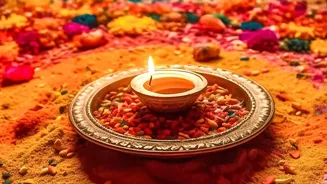
Creating a beautiful space for Bappa can be a major expense, but it doesn't have to be. A mix of DIY and store-bought items is a great way to manage costs. Instead of expensive backdrops, consider using colourful dupattas or sarees you already own. Making your own decorations like paper torans, origami hangings, and lanterns is a cost-effective way to add a personal touch and involve the whole family. For lighting, reusable LED fairy lights offer a magical glow without being a recurring expense. Fresh flowers like marigolds and natural elements like mango and banana leaves are traditional, fragrant, and more affordable than elaborate synthetic decorations.
Puja Essentials and Offerings
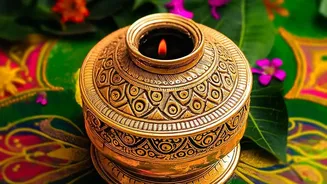
The puja itself requires several essential items. Creating a checklist can prevent last-minute, overpriced purchases. Key items include a kalash, coconuts, betel leaves, kumkum, sandalwood paste, incense, camphor, and ghee for diyas. One of the most important offerings is Durva grass, which is considered highly auspicious. Buying a pre-packaged 'puja samagri' kit can sometimes be convenient and economical, containing small quantities of all necessary items. Plan this list in advance and buy from local markets for the best prices.
Food, Sweets, and Prasad
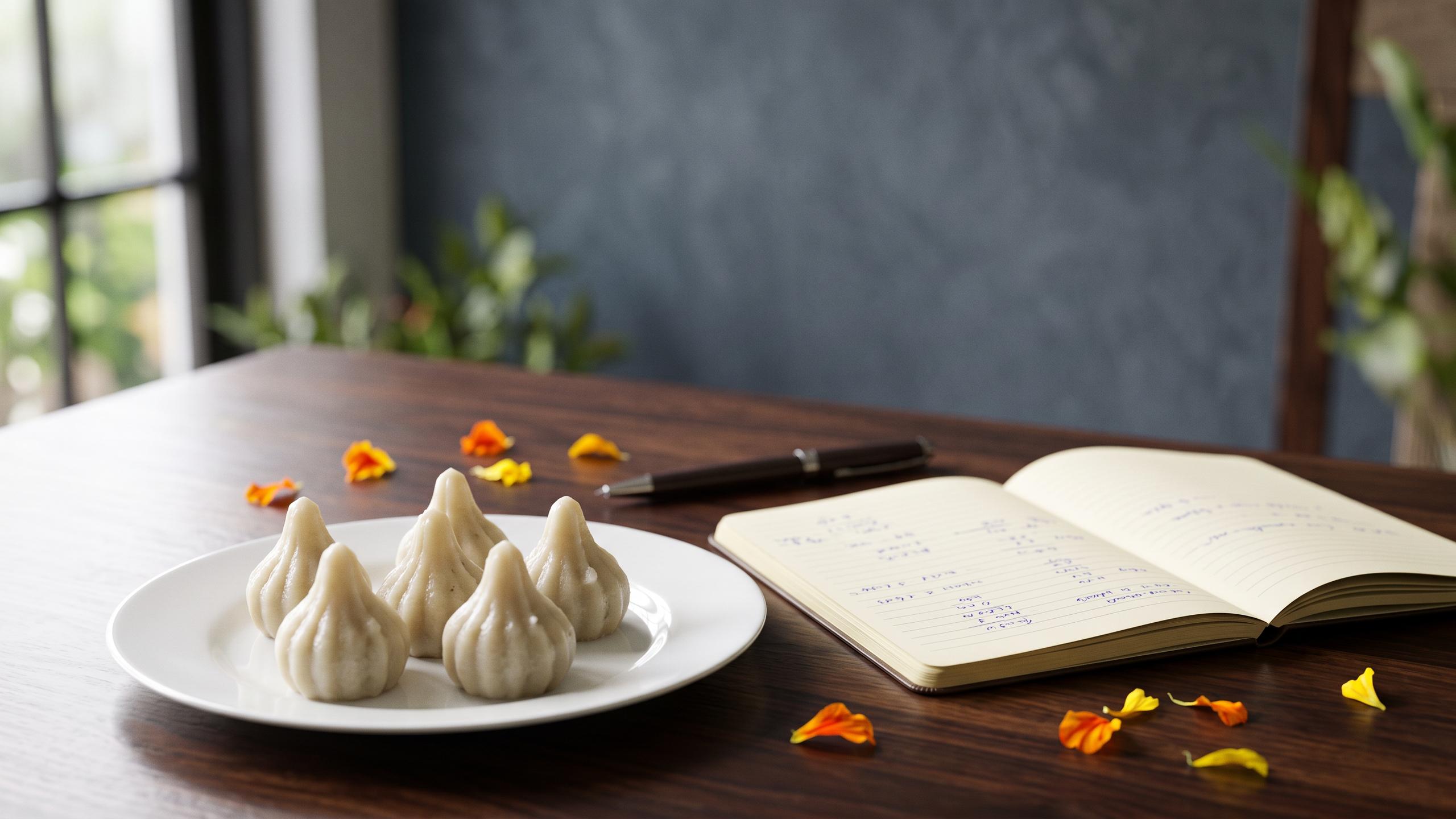
Food is a central part of any Indian festival, and Ganesh Chaturthi is famous for its delicious offerings, especially modak. The cost of sweets, snacks, and meals for guests can add up. Planning your menu ahead is crucial. Instead of buying all your sweets and prasad from the market, consider preparing some at home. Homemade modaks or laddoos not only reduce expenses but also add a layer of personal devotion to the offering. For larger gatherings, planning a simple menu or even organizing a potluck where family and friends contribute a dish can be a wonderful way to share the joy and the cost.
Unexpected and Community Costs
Finally, it's always wise to keep a small contingency fund—around 10% of your total budget—for any unforeseen expenses that may arise. This could be anything from needing extra flowers to accommodating more guests than planned. It's also common to make a small contribution to your local community or society pandal. Factoring this into your initial plan ensures that you can participate in the community spirit without straining your budget. Planning for these miscellaneous costs removes last-minute stress, allowing you to remain focused on the spiritual aspects of the festival.