



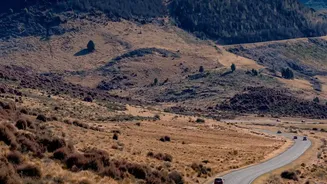
Understand the Post-Monsoon Landscape
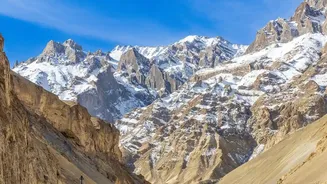
The period from late September to November is magical in the Himalayas, but it follows a season of intense rainfall. The ground is often saturated, increasing the risk of landslides and flash floods, which can destabilise hillsides and damage infrastructure.
Recent events in the region, like the flash flood in Nepal's Gorkha district on October 11, 2026, highlight how quickly conditions can change. These floods are often triggered by landslides blocking rivers, not just heavy rain, making them unpredictable. This doesn't mean you shouldn't travel, but it does mean choosing where you sleep requires extra diligence. The primary dangers are accommodations built on unstable slopes, near riverbeds that can swell suddenly, or in structures weakened by the preceding rains.
Vet the Location Before You Book
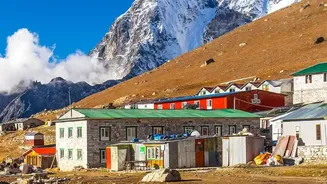
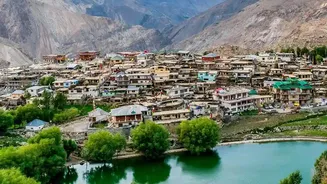
Your safety check starts long before you arrive. When browsing hotels online, don't just look at the pictures of the room; scrutinise the property's location. Use mapping tools to get a satellite view. Is the hotel perched precariously on a cliff edge or situated right next to a river? Properties built on valley floors or near river channels are more exposed to sudden flooding. Look for establishments on stable, higher ground, set back from steep slopes and riverbanks. Pay close attention to recent reviews on travel sites. Filter for reviews from September and October, as these guests will have experienced the immediate post-monsoon conditions. Look for mentions of access issues, leaks, dampness, or power cuts, which can be red flags.
Prioritise Reputable and Accessible Stays
In the mountains, accessibility is safety. Post-monsoon, landslides can block roads, sometimes for days. Before booking a remote resort, inquire about the condition of the access roads. Is it reachable only by a single, vulnerable road? Established hotels and homestays in well-known towns like Mussoorie, Shimla, or Manali often have better infrastructure and multiple access routes. These properties are also more likely to have undergone structural checks and adhere to building codes. While a secluded stay is appealing, ensure it has reliable communication networks (mobile signal, Wi-Fi) so you can monitor weather updates and stay in touch. Booking through registered local travel agents can also provide a layer of security, as they have on-the-ground knowledge of which areas and properties are safest.
Conduct a Quick On-the-Ground Inspection
Once you arrive, take ten minutes to inspect your room and the building before settling in. This isn't about being paranoid; it's about being proactive. Check that all doors and windows, especially those on the ground floor or with balcony access, lock securely. Look for any large, fresh cracks in the walls or ceilings, which could indicate recent structural stress. Check for signs of dampness or water damage. Ensure the lights and any heating appliances work correctly, and know where the emergency exits are. If anything seems amiss—from a lock that won't engage to a concerning crack in the wall—report it to the front desk immediately and ask to be moved to a different room or building.
Look for Solid Construction, Not Just Style
Boutique hotels with stunning glass walls and infinity pools are popular, but in a geologically active and weather-sensitive region, solid construction is paramount. Hotels built with reinforced concrete frames and deep foundations are generally more resilient. While it can be hard to judge engineering from a website, you can often get a feel for a property's construction from guest photos. Look for buildings that appear well-maintained and robust. Avoid properties that look like they've been hastily constructed or have additions that seem unsupported. An older, well-maintained stone building might be a sturdier choice than a brand-new, flimsy structure. Ultimately, a hotel with a long-standing reputation for safety and good service is often your best bet.