



Dress for the Humidity, Not the Heat
The end of the monsoon doesn't mean the end of humidity. In fact, the dampness in the air can make you feel hotter and sweat more profusely. The key is to wear the right fabrics. Ditch cotton, which absorbs sweat like a sponge and clings to your skin,
causing discomfort and chafing. Instead, opt for lightweight, loose-fitting clothes made from moisture-wicking materials like polyester or nylon blends. These fabrics pull sweat away from your body, allowing it to evaporate and keep you cool. Light-coloured clothing is also a smart choice as it reflects sunlight rather than absorbing it. For footwear, choose shoes with good grip to navigate slippery paths and consider materials that dry quickly.
Rethink Your Hydration Strategy
Exercising in high humidity can be deceiving. Because your sweat doesn't evaporate as quickly, it might not feel like you're losing as much fluid, but you are. This increases the risk of dehydration, which can lead to fatigue, dizziness, and muscle cramps. It's crucial to hydrate before, during, and after your workout. Don't wait until you feel thirsty. Start drinking water a couple of hours before you head out. During your workout, aim to sip water every 15-20 minutes. For longer or more intense sessions, consider an electrolyte-rich drink to replenish the essential minerals like sodium and potassium that you lose through sweat.
Choose Your Workout Arena Wisely
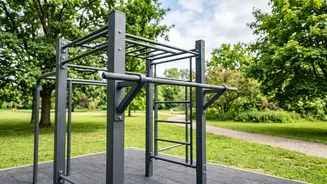
Your usual running track or park trail might look different after weeks of rain. Be cautious of your surroundings. Paved paths can become slick with algae, and trails might be damaged or muddy. It's best to avoid areas with stagnant water, as these are not only breeding grounds for mosquitoes but can also hide potholes or harbor bacteria that cause infections like leptospirosis. Choose well-maintained tracks or familiar routes where you can clearly see the path ahead. The best times to exercise are early in the morning or later in the evening, when the sun's intensity and humidity levels are lower.
Guard Against Invisible Health Risks
The post-monsoon period is prime time for vector-borne diseases. Mosquitoes that transmit dengue, malaria, and chikungunya breed in the stagnant water left behind by the rains. When exercising outdoors, especially near parks or green spaces, it's essential to use a strong mosquito repellent. Wearing full-sleeved shirts and full-length pants can provide an additional layer of protection. Furthermore, the high moisture in the air creates a perfect environment for fungal infections. To prevent issues like athlete's foot or jock itch, change out of your sweaty workout clothes as soon as possible, shower promptly, and dry your skin thoroughly, paying special attention to skin folds.
Ease Back and Listen to Your Body
If you've been less active during the monsoon, don't expect to jump back into your old routine at full intensity. The combination of humidity and a break from exercise means your body needs time to acclimatize. Start with shorter, less intense workouts and gradually increase the duration and difficulty. Pay close attention to how you feel. Symptoms like unusual fatigue, dizziness, or nausea are signs that you're pushing too hard. It’s better to build up your stamina slowly and consistently than to risk injury or burnout by doing too much, too soon.