




The Konkan's Quieter Backwaters
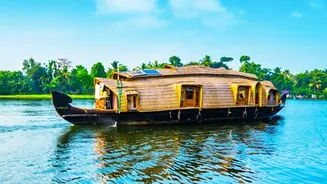
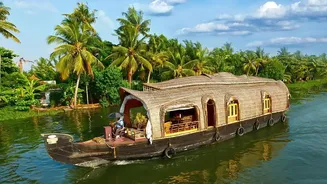
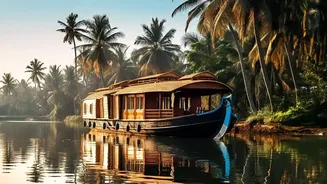
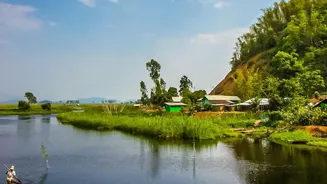
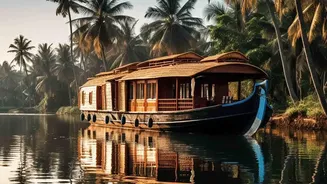
When you hear 'backwaters', Kerala often comes to mind. But just a few hours from Mumbai and Pune, the Konkan region offers its own distinct and tranquil network of waterways. Unlike their more famous southern counterparts, the backwaters of the Konkan,
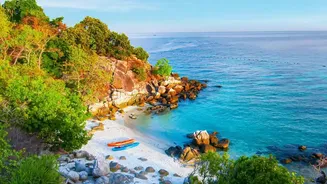
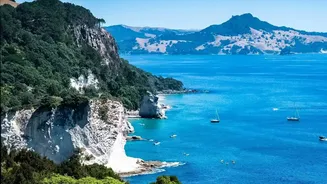
particularly around areas like Tarkarli, Devbagh, and Vengurla, are less commercialized. Here, the Karli River meets the Arabian Sea, creating a serene ecosystem of mangrove-lined creeks, quiet estuaries, and small river islands perfect for exploration. The experience is less about large, bustling houseboats and more about intimate, peaceful encounters with nature, making it an ideal setting for travellers seeking solitude and a genuine connection to the environment.
Community and Homestays Over Hotels
The core of the Konkan's sustainable appeal lies in its emphasis on community-based tourism. Instead of large, resource-intensive hotels, the region thrives on a network of family-run homestays and eco-friendly farmstays. These establishments, often built with local materials and designed to blend into the landscape, offer an authentic glimpse into Konkani life. Staying in a 'Maachli'—a traditional hut-style cottage—or a village home means your travel spending directly supports local families and empowers the community. This model fosters a sense of pride and provides a strong incentive for villagers to conserve the very culture and environment that visitors come to experience. It's a form of tourism where guests are welcomed not as customers, but as participants in a local way of life.
Low-Impact Activities and Nature
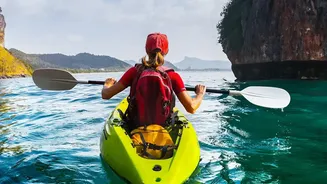
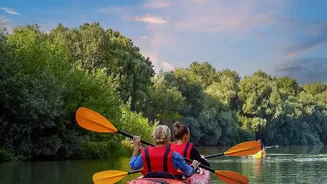
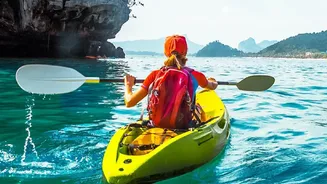
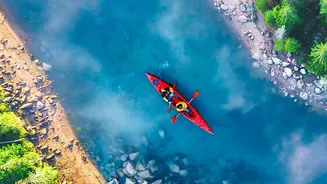
Eco-conscious travel is defined by activities that respect the local ecology. The Konkan backwaters excel in offering experiences with a minimal footprint. Think silent kayaking or taking a traditional boat ride through dense mangrove forests, which are vital coastal ecosystems. Birdwatching is a major draw, with the calm waters and surrounding forests providing a habitat for numerous resident and migratory species. Initiatives supported by organizations like the Mangrove Foundation encourage mangrove safaris that educate tourists while providing livelihoods for locals. This approach shifts the focus from high-octane water sports to slower, more mindful activities that allow for a deeper appreciation of the region's rich biodiversity without disturbing it.
A Farm-to-Table Culinary Journey
Sustainable travel is also about what you eat. In the Konkan, the dining experience is inherently local and seasonal. Homestays typically serve authentic Malvani cuisine, prepared with ingredients sourced from their own farms or the village. Meals often feature freshly caught fish, rice grown in nearby fields, and unique regional ingredients like kokum. Food is often cooked in traditional ways, such as on mud stoves, and served in earthen pots or on leaf plates, minimizing waste and enhancing the connection to the land. This farm-to-table approach not only ensures incredibly fresh and flavourful food but also drastically reduces the carbon footprint associated with transporting ingredients, making every meal a part of the sustainable experience.
The Perfect Accessible Weekend Escape
For residents of Mumbai and Pune, the Konkan coast's accessibility is a key advantage. Many of these tranquil backwater destinations are just an overnight journey or a 5-6 hour drive away, making them perfect for a low-stress weekend vacation. This proximity means less time and fuel spent on travel and more time enjoying the destination. Unlike longer, more complex trips, a weekend on the Konkan backwaters allows for a quick but complete reset. It's a chance to trade city noise for the sounds of nature, support rural economies, and return feeling rejuvenated, all without venturing too far from home.