





More Than Just a Dry Spell
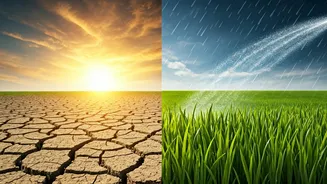
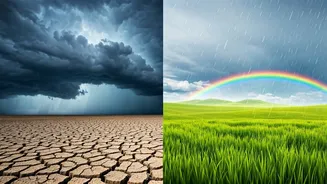
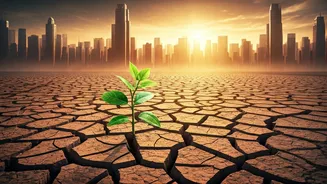
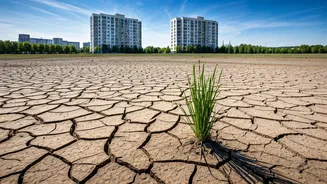
A monsoon "break" is a well-known meteorological phenomenon where the continuous rains are interrupted for days or even weeks. It typically occurs in July and August when the monsoon trough, a low-pressure belt that drives the rains, shifts northward
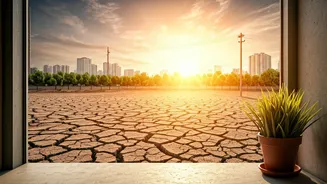
towards the Himalayan foothills. When this happens, rainfall ceases over much of the country, leaving clear skies and a sudden return of summer-like conditions. While these breaks are a normal part of the monsoon cycle, their duration and intensity can have significant and immediate consequences, particularly as climate change makes weather patterns more erratic. Recent events in June 2026 have highlighted this, with a prolonged stall in the monsoon's advance leading to significant rainfall deficits across the country.
The Urban Heat and Power Squeeze
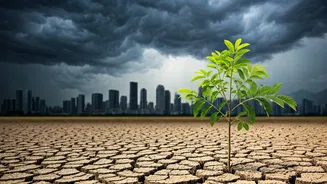
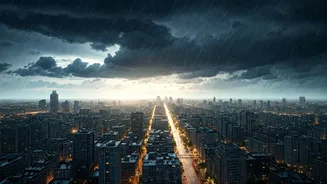
The most immediate impact of a monsoon gap in cities is the return of oppressive heat and humidity. Without the cooling effect of rain and cloud cover, temperatures spike. This doesn't just mean discomfort; it triggers a massive surge in electricity demand as millions of homes and offices switch on their air conditioners. This sudden strain can overburden power grids that are already stressed. In fact, prolonged dry spells during the hottest months are when power generation is most hampered, precisely when people need it most. Some cities have seen frequent power outages during these periods, as the electrical grid struggles to keep up. Furthermore, a lack of rain affects hydropower generation, which depends on healthy reservoir levels, adding another layer of pressure on the energy sector.
When the Taps Run Low
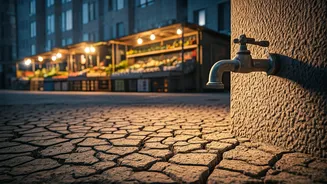
Urban India is heavily dependent on monsoon-fed reservoirs for its drinking water. A few weeks of bountiful rain can fill these reservoirs, providing a lifeline for the entire year. Conversely, a prolonged break can halt this replenishment, causing reservoir levels to stagnate or even drop. The impact is felt almost immediately. For instance, cities like Mumbai have had to impose water cuts on residential and commercial users when reservoir levels dipped to critical lows following a delayed or weak monsoon. This forces municipalities to restrict water supply to non-essential uses like construction and swimming pools. With roughly 70% of India's water coming from groundwater sources, a poor monsoon also means less natural recharge, depleting already-stressed underground aquifers that many cities rely on as a backup.
From Farm Fields to Kitchen Tables
The ripple effects of a monsoon break extend quickly to the price of daily essentials. A dry spell during the critical Kharif sowing season can delay planting and damage young crops, particularly vegetables, pulses, and oilseeds that rely heavily on rain. This disruption in the agricultural cycle creates a supply chain crunch. Damage to perishable crops like tomatoes and onions, either from lack of water during a break or excessive rain before it, leads to reduced availability in city markets. As a result, vegetable prices can shoot up, sometimes doubling in a matter of weeks, putting a significant strain on household budgets across urban India. This food inflation is a direct consequence of the monsoon's unpredictable behaviour.