









The Allure of Effortless Airports
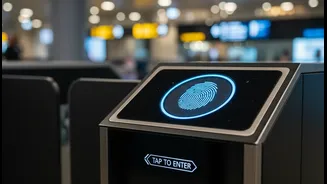
DigiYatra represents a significant leap forward in Indian aviation, aiming to make a passenger's face their boarding pass. By linking Aadhaar details and travel documents through a smartphone app, it creates a biometric token that allows travellers to breeze
through e-gates at terminal entry, security, and boarding. The benefits are clear: reduced queue times, enhanced security, and a modern, efficient travel experience. For the frequent flyer, the tech-savvy professional, and anyone tired of juggling documents, the system is a welcome upgrade. It has already been implemented for domestic travel across numerous airports and, as of June 2026, became mandatory for international transit passengers at major hubs like Delhi, Mumbai, Bengaluru, and Hyderabad. This push is part of a larger vision to digitise and streamline airport operations across the country, with plans to expand to more airports soon.
The People Left Behind by Progress
However, a system designed for the smartphone-equipped user inherently risks excluding a significant portion of our population. Consider senior citizens who are not comfortable with apps, individuals from rural areas with limited digital literacy, or those who simply do not own a smartphone. For them, a mandatory digital system becomes a barrier, not a convenience. There are also travellers with disabilities for whom the current digital interface may not be fully accessible, despite policy guidelines aiming for inclusivity. Even for a digitally fluent person, a dead phone battery, a lost device, or a temporary app glitch could suddenly render them unable to travel. Technology should serve people, not the other way around. A truly inclusive system must account for everyone, not just the technologically adept.
The Soft Coercion Towards Adoption
While DigiYatra is officially stated to be a voluntary programme for domestic travel, the reality on the ground can feel different. Travellers have reported instances of being enrolled without clear consent and facing logistical hurdles when trying to opt out. Anecdotal evidence suggests that at some airports, non-DigiYatra queues are either harder to find or significantly longer, creating a form of “soft coercion” that nudges people towards the digital option. When the manual alternative is made deliberately inconvenient, choice becomes an illusion. This erodes trust and undermines the very principle of voluntary adoption. Progress that is forced upon people is rarely sustainable and can create a deep-seated resentment towards the very systems designed to help them.
Unanswered Questions on Privacy
Beneath the surface of convenience lie persistent questions about data privacy. The DigiYatra Foundation states that passenger data is encrypted, stored on the user’s own phone, and purged from airport systems within 24 hours of a flight. However, privacy advocates and digital rights organisations remain concerned. The policy allows data to be shared with third-party partners for “value-added services,” which could lead to data monetization and profiling. Furthermore, the foundation that manages DigiYatra is a private, non-profit entity, raising questions about accountability and its exemption from Right to Information (RTI) queries. In an age of increasing digital surveillance, the collection of biometric data—the most personal information we have—requires the highest standards of transparency and user control, which critics argue are not yet fully in place.
Why Manual Options Are Essential Fail-Safes
Ultimately, the argument is not against DigiYatra itself, but against the dissolution of alternatives. Manual boarding options are not a relic of the past; they are a crucial fail-safe for a diverse and complex society. They are the essential backup for when technology fails, the inclusive option for those outside the digital mainstream, and the guaranteed pathway for anyone who chooses not to share their biometric data. Maintaining robust, efficient, and easily accessible manual channels is a sign of a resilient and citizen-centric system. It acknowledges that efficiency should not be the only metric of success. Inclusion, choice, and trust are equally important pillars of national infrastructure.