



Embrace Flexibility, Not Restriction
The festive season, with its back-to-back invitations for Diwali, weddings, and more, is not the time for rigid diets. An all-or-nothing mentality often leads to a cycle of restriction and overindulgence. Instead, focus on balance and moderation. Giving
yourself permission to enjoy special treats is key. The goal is to celebrate without feeling stuffed or guilty afterwards. This mindset shift from 'I can't eat that' to 'I will choose what I enjoy most' is empowering and more sustainable across a long season of gatherings. It allows you to participate fully in the cultural and social aspects of food without anxiety.
Master the Festive Plate
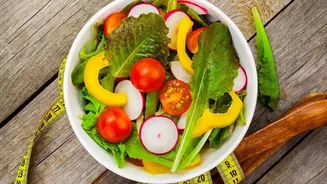
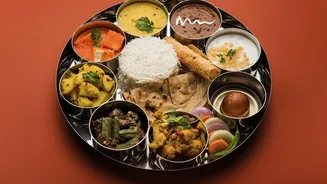
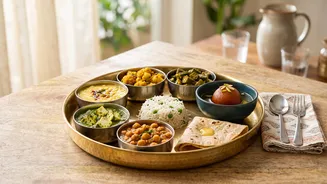
A simple and powerful strategy is the 'plate method'. When you approach a buffet or are served a thali, aim to fill half your plate with vegetables or salad first. These high-fibre options help you feel full and regulate digestion. Dedicate one-quarter of your plate to protein—like dal, paneer, chickpeas, or lean meat—which increases satiety. The final quarter can be for carbohydrates such as rice, roti, or your favourite fried snacks. This approach ensures you get a balanced meal with essential nutrients while still leaving room to sample the festive flavours you love.
Practise Mindful Savouring
Instead of eating on autopilot amidst the excitement, practise mindful eating. Take the time to slow down, chew thoroughly, and truly taste each bite. Pay attention to the aromas, textures, and flavours. Studies show that the first few bites of any food provide the most pleasure, so savouring them can lead to greater satisfaction with a smaller amount. It takes about 15-20 minutes for your brain to register fullness, so eating slowly gives your body a chance to send that signal. Putting your fork down between bites or taking sips of water can help pace your meal naturally.
Strategize for Multiple Events
Facing several invitations in a short span requires a game plan. Don't arrive at a party ravenously hungry, as this often leads to overeating. Have a small, healthy snack with protein and fibre—like a piece of fruit with nuts or a bowl of yoghurt—before you go. When you arrive, survey the entire buffet before making choices, rather than piling on the first few things you see. At some events, you might choose to focus more on socialising than eating. Politely declining a second helping is perfectly acceptable; you can say something like, "Thank you, it's delicious, but I'm satisfied." Remember, you don't have to taste everything at every single event.
Hydrate and Make Smart Swaps
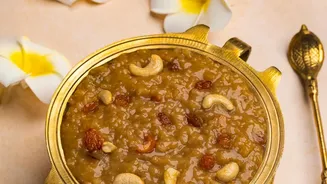
Staying hydrated is crucial. Sometimes our bodies mistake thirst for hunger. Drinking water, buttermilk, or coconut water throughout the day can help manage cravings and aid digestion. When it comes to the food itself, small swaps can make a big difference without sacrificing taste. Opt for baked, roasted, or grilled versions of snacks like samosas or kebabs instead of deep-fried ones. When choosing sweets, perhaps share a dessert with someone or select just one or two of your absolute favourites. Many traditional sweets can also be made with healthier ingredients like jaggery instead of refined sugar.