



The New Reality of Festive Eating
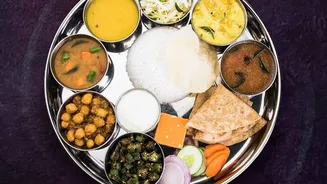
Traditionally, festive food planning revolved around the main celebratory meals. What masterpiece would be cooked for the Diwali dinner? What sweets would be prepared for Eid? Today, the focus has broadened significantly. For many urban Indians juggling
demanding careers and health goals, the challenge isn't just the big feast; it's managing the entire culinary landscape of the festive period. This includes the days leading up to a festival, the days of recovery after, and navigating the constant influx of mithai boxes from friends and colleagues. The modern question is no longer just 'What special dishes will we make?' but 'How do we eat normally when everything around us is a celebration?'. This shift reflects a desire to enjoy traditions without derailing personal well-being and daily responsibilities.
Balancing Indulgence with Daily Life
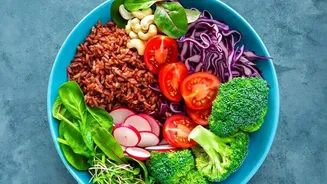
The core of this new approach is finding a sustainable balance. When a festival spans several days, it's impractical to indulge in heavy, rich foods for every meal, especially when work deadlines and school runs don't pause. Nutritionists and home cooks are championing a more structured approach. A common strategy is to not skip meals to 'save calories' for a big dinner, as this often leads to overeating later. Instead, they advocate for eating light, nutritious meals like dal and vegetables during the day. This keeps energy levels stable and ensures the festive dinner is enjoyed without guilt or discomfort. Staying hydrated is another simple but powerful tool; often our bodies mistake thirst for hunger, and sipping water throughout the day can prevent unnecessary snacking on calorie-dense treats.
The Rise of the Festive Meal Prep
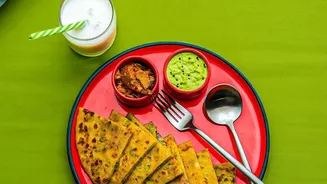
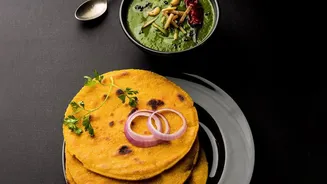
Meal prepping, a concept once associated with weekly work lunches, has found a new purpose during festival season. This isn't about preparing sad desk salads; it's a clever strategy to manage chaos and reduce cooking fatigue. For instance, a 'prep day' can be scheduled before the main festival to handle time-consuming tasks like chopping vegetables, grinding masalas, or making dough. Some families are batch-cooking base gravies or dals that can be used for quick, non-festive meals on the surrounding days. This frees up time and energy on the main day for focusing on the special, traditional dishes. This system cleverly separates the high-effort traditional cooking from the daily need for simple, wholesome food, making the entire week more manageable.
Smart Strategies for Mindful Feasting
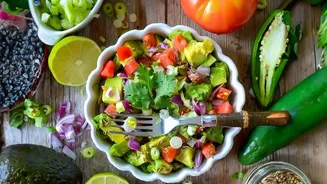
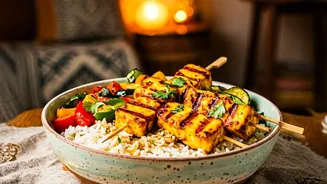
This new mindset is all about being intentional. It's not about restriction, but about making conscious choices. One popular tactic is portion control, often aided by using smaller plates. Another is to be selective about indulgences. Instead of trying a bite of everything, the advice is to pick a few favourite dishes and savour them mindfully. There's also a growing trend of making healthier swaps in traditional recipes. Celebrity chefs suggest baking or air-frying items like gujiyas instead of deep-frying them or using natural sweeteners. At social gatherings, a smart strategy is to fill half your plate with salads or roasted vegetables first, leaving less room for heavier items. These small adjustments allow for full participation in the feast while keeping health in mind.
Preserving Joy, Not Just Recipes
Some might argue that such meticulous planning strips away the spontaneous joy of festivals. However, proponents see it differently. By creating a structure for daily meals, they feel more free to immerse themselves in the celebratory moments without stress or guilt. The goal isn't to turn festivals into a health-conscious chore but to create a framework that allows traditions to thrive within the realities of modern life. It's about ensuring that the enduring memories are of laughter and connection, not of indigestion and exhaustion. This balanced approach is ultimately an act of self-kindness, allowing one to feel good both during and after the celebrations have ended.