
The Pan-Indian Power Play
The conversation is no longer about Bollywood versus the South; it's about the unified might of Indian cinema. The 'pan-India' film, once a novelty, is now a core strategy. Following the monumental success of films from the Telugu, Tamil, Kannada, and
Malayalam industries in recent years, 2026 has solidified this trend. South Indian productions, rooted in local culture but crafted for a national audience, continue to set benchmarks. This year has seen major cross-industry collaborations, with stars and directors teaming up across linguistic divides, blurring old boundaries. The success of films like 'Toxic' and 'Jana Nayagan' in the third quarter highlights how regional stories are capturing the national imagination. This cultural and commercial integration is the new engine of the industry.
Mythology and Mega-Budgets
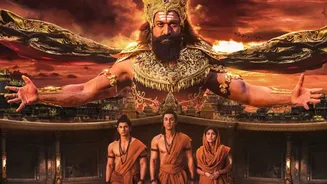
If there is one dominant theme for late 2026, it is scale. Filmmakers are betting big on mythological stories and historical epics, backed by unprecedented budgets. The most anticipated release is Nitesh Tiwari's 'Ramayana', reportedly one of the most expensive Indian films ever made, which is set for a major Diwali release in November. The film is expected to have a colossal opening. This follows the strong performance of 'Hanuman Ansh', a film that demonstrated the consistent box office power of faith-led storytelling. These projects are not just movies; they are national cultural events, designed to deliver a larger-than-life experience that pulls audiences to theatres.
Sequels and Franchises Dominate
Audiences are showing up for familiar worlds and beloved characters. The year has been dominated by massive sequels. 'Dhurandhar: The Revenge' set an astonishing record, becoming one of the highest-grossing Hindi films ever. Similarly, the war epic 'Border 2' and the thriller 'Drishyam 3' have posted enormous numbers, confirming the bankability of established franchises. The success of 'Mirzapur: The Movie', an extension of the popular web series, further proves that strong intellectual property can translate across formats. For studios, investing in a sequel is proving to be a reliable formula for drawing huge opening weekend crowds.
The Shifting Streaming Landscape
While the box office roars back, the world of streaming is undergoing a crucial evolution. The era of unchecked spending on original scripted content is giving way to a more calculated approach. In 2026, OTT platforms are increasingly focusing on profitability and sustainable growth. This means a greater emphasis on unscripted content like reality shows, which foster weekly viewing habits and social media buzz. Furthermore, some platforms are tying payouts for direct-to-digital films to their theatrical box office performance, creating a hybrid model. The major players are also beginning to recognize the vast, underserved market for regional languages beyond Hindi, with content in languages like Marathi, Gujarati, and Punjabi poised for growth.
The Audience Has the Final Say
Perhaps the most significant trend of 2026 is the audience's demand for quality. While big-budget spectacles and star power can guarantee a huge opening, they don't guarantee long-term success. Films that connect emotionally and generate strong word-of-mouth are the ones showing sustained growth. 'Hanuman Ansh' became the highest-grossing film of the third quarter despite a minuscule opening, growing entirely through audience recommendations. In contrast, some heavily-marketed event films have seen their collections drop off after a massive first weekend. The message is clear: the Indian moviegoer has become highly discerning. A good story, well told, is still the most powerful force at the box office.