

Setting Up Your Windowsill Garden
To begin, choose the right location. Most herbs need at least four to six hours of sunlight per day, making a south-facing window ideal during the winter months. Select containers that are at least 6-8 inches deep and have drainage holes, as waterlogged
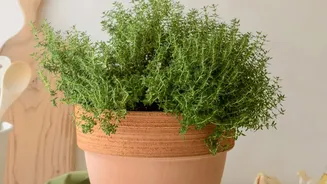
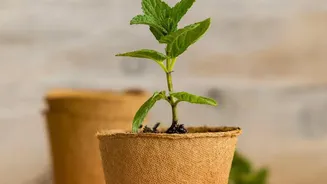
soil is the fastest way to kill your herbs. A classic terracotta pot is a great choice. For soil, use a high-quality, well-draining potting mix. Avoid using heavy garden soil, which compacts in pots and can suffocate the roots. A good mix often contains materials like soil, compost, and perlite or sand to keep it light and airy.
The Sacred Herb: Growing Tulsi
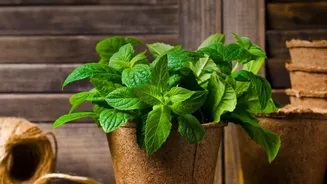
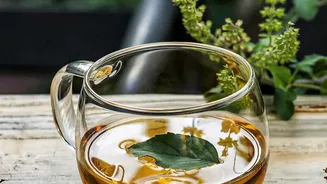
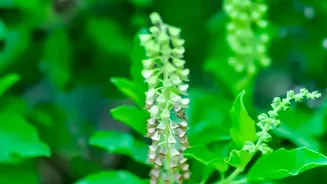
Tulsi, or Holy Basil, is a treasured plant in many Indian homes and is sensitive to the cold. Winter is its dormant season, so the main goal is to help it survive. Bring potted Tulsi indoors when temperatures drop below 10°C. It needs a warm spot and as much direct sunlight as you can provide—at least 4-6 hours is best. Be extremely careful with watering. In winter, Tulsi needs much less water, only when the top inch of soil is completely dry. Overwatering is the most common reason Tulsi plants don't survive the winter. Also, avoid fertilising during this rest period.
The Refreshing Favourite: Taming Mint
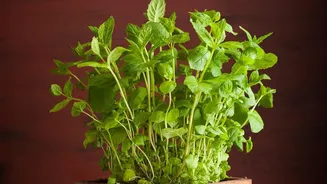
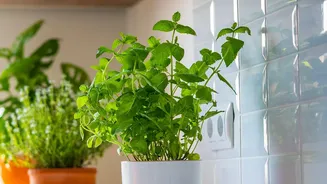
Mint is one of the easiest herbs to grow indoors and is famously vigorous. This energy is an advantage in a pot, promising a steady supply of leaves. However, its tendency to spread means it should always be grown in its own container to prevent it from taking over. Mint tolerates a bit less light than other herbs but still appreciates a bright spot on a windowsill. It prefers consistently moist soil, so don't let it dry out completely, but ensure the pot has good drainage to avoid root rot. Regular pruning and harvesting will encourage the plant to become bushier and more productive.
The Flavourful Finisher: Cultivating Coriander
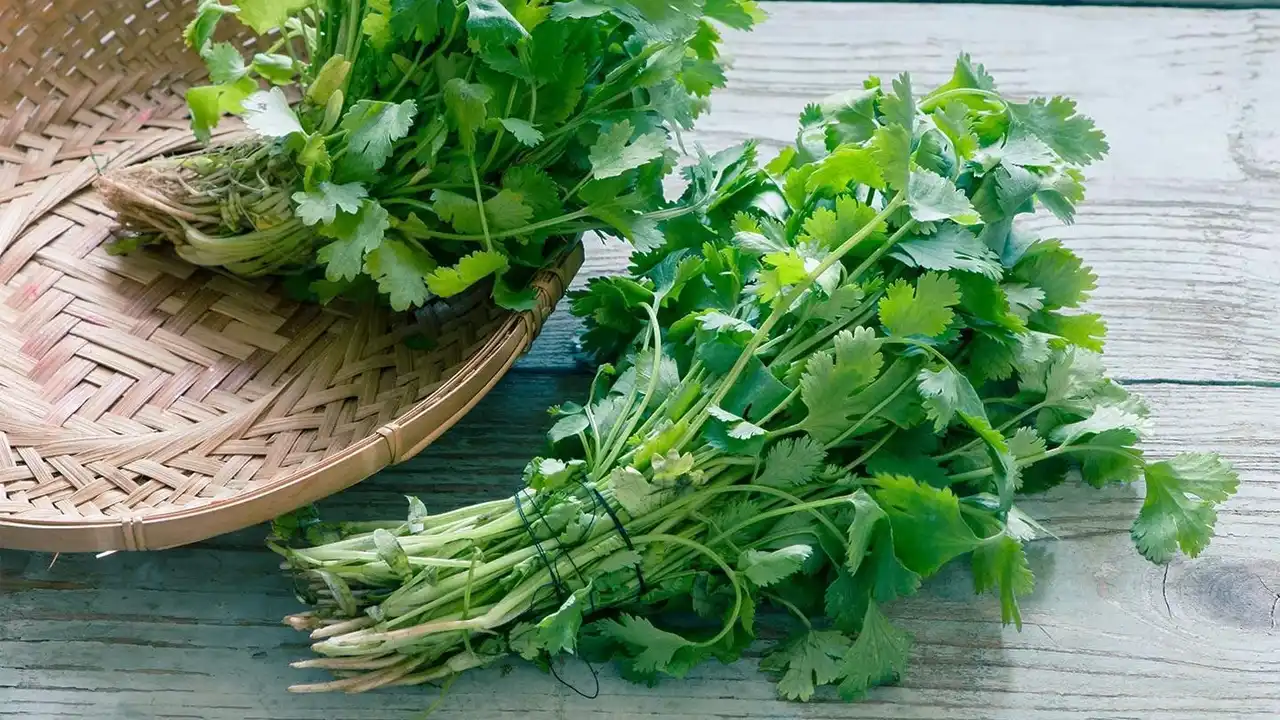
Coriander, or Dhania, can be tricky as it tends to 'bolt' (flower prematurely) if stressed. Winter is actually an ideal season for growing it, as it prefers cooler temperatures. For the best results, grow coriander from seed. To improve germination, you can lightly crush the seed husks and soak them overnight before planting. Use a pot that is relatively deep, at least 8 inches, to accommodate its taproot. Coriander needs about 4-6 hours of sunlight but can be sensitive to intense, hot sun, which encourages bolting. For a continuous supply, sow new seeds every few weeks.
Harvesting for Continuous Growth
The key to a productive indoor herb garden is regular harvesting. Pinching off leaves and stems encourages the plants to branch out and become fuller. For Tulsi, regularly pinching off the flowering tops (manjari) will direct the plant's energy into producing more leaves. With mint, you can cut entire stems, and the plant will readily grow back. For coriander, harvest the outer, older leaves first, allowing the younger leaves in the centre to continue growing. This regular 'pruning' not only provides you with fresh herbs but also keeps your plants healthy and compact for their life on the windowsill.