


The Logic of the Landing Zone
Think of your entryway as the gatekeeper to your home. It’s the first space you interact with when you arrive and the last you see when you leave. During the rainy season, its role becomes even more critical. Without a system, rainwater, mud, and grime
get tracked throughout the house, damaging floors and creating a constant need for cleaning. A well-designed 'landing zone' or 'drop zone' contains this mess to one manageable area. It's not about having a large, formal mudroom; even a small, thoughtfully organised corner in an apartment can serve this purpose. The goal is to create a functional barrier that protects the rest of your home while keeping daily essentials organised and accessible. It transforms a high-stress, high-clutter area into a space of calm and order, making your daily routine of entering and exiting the house smoother and more pleasant.
Start from the Ground Up
The first line of defence against monsoon mess is the floor. Before anyone even steps fully inside, a durable, rough-textured doormat outside can scrape off the worst of the mud and water. Inside the door, your primary tool is a waterproof tray or an absorbent mat. A simple rubber or plastic boot tray is invaluable; it provides a designated spot for wet and muddy footwear, containing drips and dirt in an easy-to-clean basin. For a more aesthetic approach, you can fill a tray with smooth river stones, which allows water to drain away from the soles of your shoes, helping them dry faster. Beyond trays, consider doormats made from highly absorbent materials like coir, bamboo, or PET fibres, which are known for trapping moisture effectively. Placing these protective layers correctly ensures that any water from umbrellas or coats also lands on a surface designed to handle it.
Effective Umbrella Organisation
Leaning a wet umbrella against a wall is a recipe for water stains and a potential slipping hazard. A dedicated umbrella stand is a non-negotiable component of a functional landing spot. The options are vast, from traditional, heavy ceramic pots that add a decorative touch to slim, modern metal racks designed for tight corners. Look for stands that have a detachable drip tray at the bottom to catch water, which simplifies cleanup. Many designs feature a hollow or mesh construction to promote airflow, helping umbrellas dry faster and preventing musty smells. For very small spaces, consider wall-mounted umbrella holders or even a simple, deep bucket tucked neatly beside the door. Some stands also come with smaller hooks, perfect for hanging compact, foldable umbrellas that can otherwise get lost in the shuffle.
A Place to Hang Everything
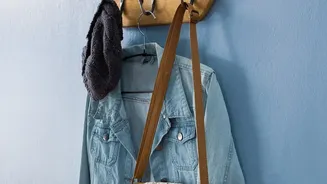
Wet raincoats and bags need a place to hang and dry. Draping them over chairs or doorknobs spreads moisture around the home. A set of sturdy hooks is the most efficient solution. You can install a row of individual hooks, a multi-hook rack, or an over-the-door hanger if you're unable to drill into walls. The key is to position them strategically above your protected floor area, like a boot tray or absorbent mat, so that any drips are contained. For families, assigning a hook to each person can build a routine and prevent clutter. Staggering hooks at different heights not only adds visual interest but also makes it easier for children to hang their own jackets and bags, fostering a sense of responsibility and tidiness from a young age.
Smart Storage and Seating
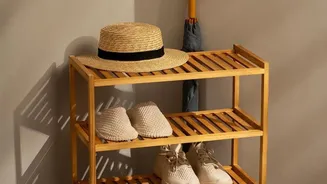
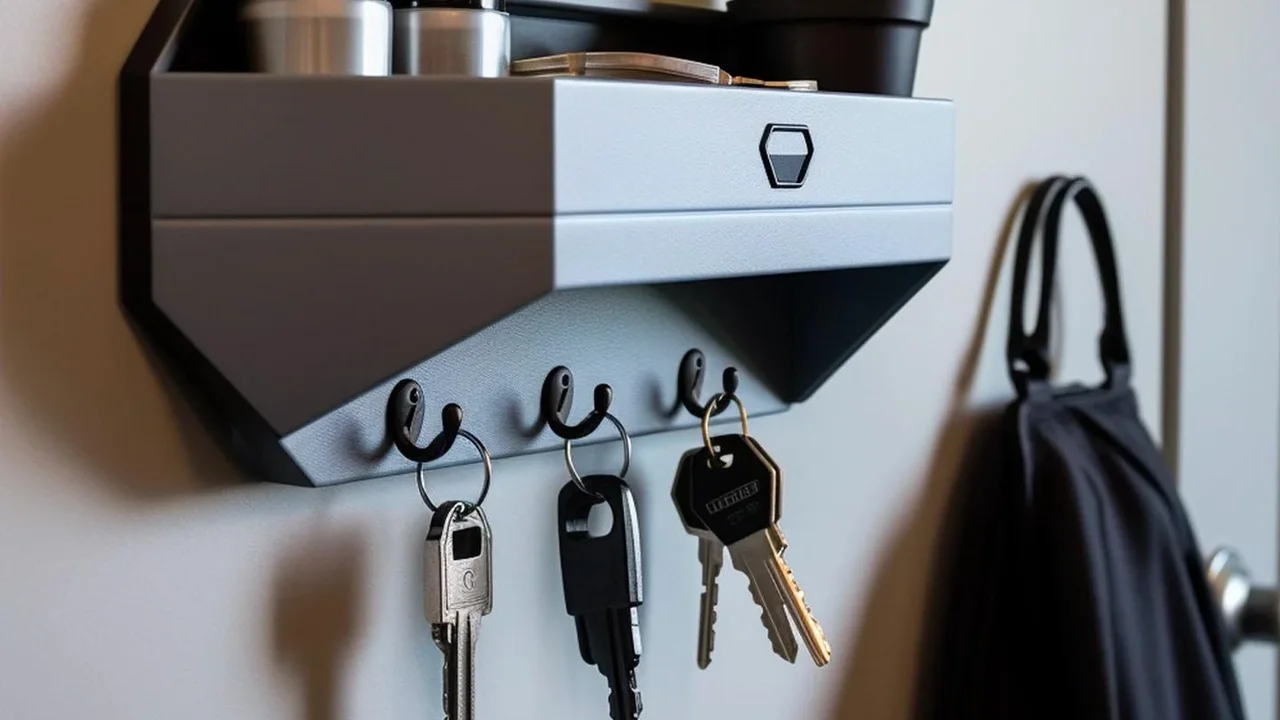
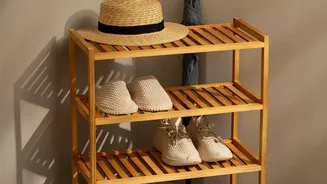
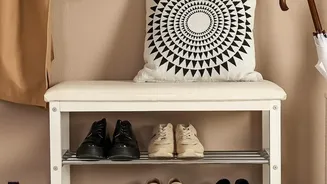
If space allows, incorporating a small bench can significantly upgrade your entryway. A bench provides a comfortable spot to sit while removing wet or muddy shoes, preventing the awkward balancing act at the door. Many entryway benches are designed with storage in mind, featuring a hinged top that opens to reveal a hidden compartment, or built-in cubbies underneath for shoes and bags. These cubbies are particularly useful as they offer open storage, which allows footwear to air out and dry more effectively than in a closed cabinet. Even if a bench is too large, a slim console table or a set of decorative baskets can provide a designated spot for smaller items like keys, wallets, and mail, preventing them from cluttering other surfaces in your home.