


The Peril of Martian Dust
For a solar-powered rover on Mars, a dust storm is a life-threatening event. The fine Martian dust, kicked high into the thin atmosphere, can form continent-sized clouds that block the sunlight needed to charge their batteries. Without power, a rover cannot
operate its instruments, move, or even run the internal heaters that protect its vital electronics from the extreme cold. This isn't a theoretical risk. In 2018, a planet-encircling dust storm engulfed the legendary Opportunity rover. After more than 14 years of exploration—far exceeding its planned 90-day mission—the skies grew so dark that Opportunity could no longer recharge. NASA engineers sent over a thousand commands, but the rover never woke up. Its demise serves as a stark reminder of how vulnerable these multi-billion dollar assets are to the Martian environment.
The Eyes in the Sky
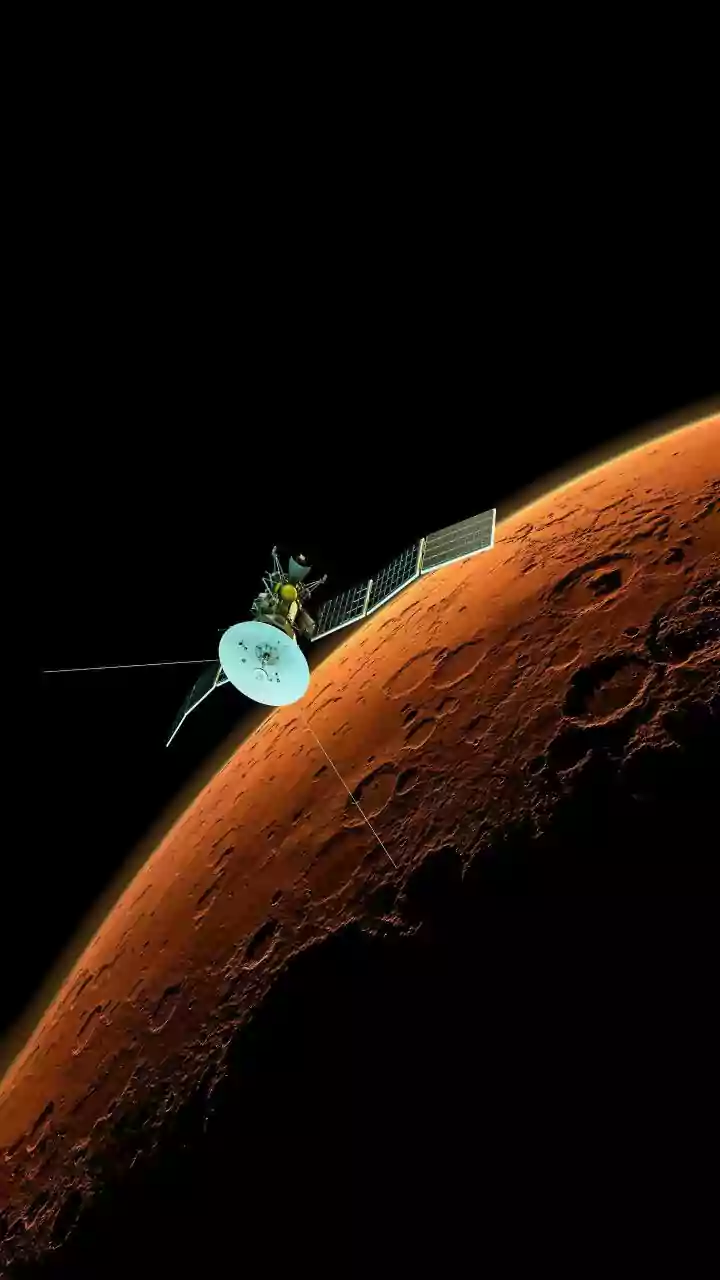
The key to survival is an early warning system. This is where NASA's orbital fleet comes into play. Spacecraft like the Mars Reconnaissance Orbiter (MRO), MAVEN, and Odyssey act as vigilant weather satellites, constantly monitoring the planet from above. The MRO, in particular, is crucial. Its Mars Color Imager (MARCI) instrument captures a daily global map of the planet, allowing scientists to spot dust storms as they begin to form and track their movement and growth. The orbiter's Mars Climate Sounder measures atmospheric temperatures, which helps predict how quickly a storm might expand. This orbital surveillance provides mission controllers on Earth with the critical data they need to anticipate when and where a storm will hit.
From Detection to Action
Once an orbiter spots a potentially threatening storm, the information is relayed to the teams operating the rovers on the surface. With this advance notice, engineers can formulate a survival plan. For solar-powered craft like the now-silent InSight lander, this meant taking preemptive action to conserve energy. Mission controllers would command the lander or rover to enter a low-power "safe mode." In this state, all non-essential activities, such as driving or using science instruments, are suspended. The primary goal is to reduce energy consumption to an absolute minimum, ensuring there is enough power to run critical survival heaters and maintain the mission clock. This strategy allows the rover to hunker down and ride out the storm, waiting for the skies to clear.
A Tale of Two Power Sources
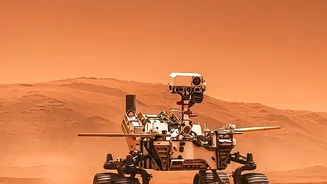
Not all rovers face the same level of danger. The difference in power systems is critical. While solar-powered rovers like Spirit, Opportunity, and the InSight lander are highly susceptible to power loss during dust storms, newer rovers like Curiosity and Perseverance are not. They run on a Radioisotope Thermoelectric Generator (RTG), which is essentially a nuclear battery. It generates power from the heat produced by the decay of plutonium, a process completely unaffected by the amount of sunlight. This gives them the ability to continue operating, albeit with reduced visibility, even during major global storms. However, the data from orbiters is still valuable, as it helps scientists understand the storm's dynamics and how it affects the overall Martian environment that these rovers are studying.
Forecasting for the Future
The synergy between orbiters and surface missions is about more than just survival; it's about building a comprehensive understanding of Martian weather. Data collected from rovers on the ground, which can measure changes in air pressure, temperature, and wind speed during a storm, complements the orbital views. This combined dataset is creating the first reliable weather models for Mars. Understanding these storm patterns—why some fizzle out while others grow to engulf the entire planet—is essential for the safety and success of future missions. As NASA and other space agencies plan for the arrival of the first human astronauts on Mars, the ability to accurately forecast the weather will be a matter of life and death, making this orbital tracking system more important than ever.