




From Flags to Fortune: A Different Kind of Race
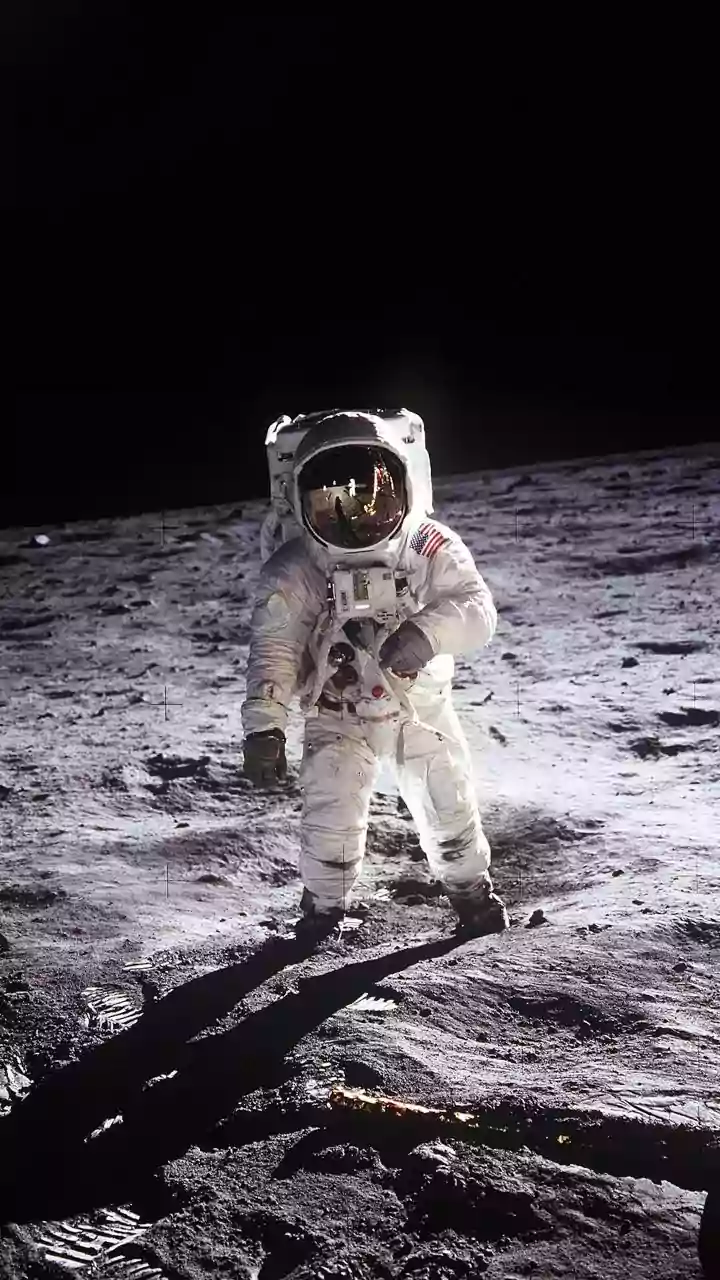
The 20th-century space race was a geopolitical duel between the United States and the Soviet Union, a fight for ideological supremacy that culminated in footprints on the Moon. The prize was prestige. The new space race is fundamentally different. While
national pride is still a potent fuel, the motivations today are far more complex and pragmatic. This era is defined by a multi-polar world of national agencies, a booming private sector, and goals that extend from science and security to commerce and long-term survival. The finish line is no longer just a lunar landing, but establishing a sustainable human presence in space, building a cislunar economy, and ultimately, setting the stage for humanity's expansion to Mars and beyond. The players are not just competing for symbolic victories but for tangible assets: control over lunar resources like water ice and Helium-3, the power to set technological standards, and a strategic foothold in the most promising locations, like the Moon's South Pole.
The National Players: A Crowded Field
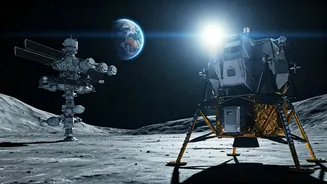
The two-horse race has become a global derby. The United States, through its Artemis program, is leading a coalition of over 50 nations with the goal of returning humans to the Moon, this time to stay. The plan involves building a lunar orbital station called Gateway and establishing a permanent base, all in partnership with international and commercial players. In a clear sign of competition, China is spearheading its own ambitious lunar program, the International Lunar Research Station (ILRS), in partnership with Russia and other nations. Beijing has made rapid, methodical progress, including landing on the far side of the Moon and returning samples, with the clear goal of a crewed landing by 2030 and a permanent base by 2035. India has firmly established itself as a major power in this new race. Following the historic success of Chandrayaan-3's landing at the lunar South Pole, ISRO has an ambitious roadmap. Upcoming missions include the Gaganyaan human spaceflight program, set to make India the fourth nation to send its own astronauts to space, and future lunar missions like Chandrayaan-4 for sample return. Beyond the moon, Shukrayaan-1 (a mission to Venus) and Mangalyaan-2 (a second Mars orbiter) are in the pipeline, alongside plans for a sovereign Indian space station, the Bharatiya Antariksh Station, by 2035.
The Billionaire Effect: Private Companies Change the Game
Perhaps the biggest change from the Apollo era is the rise of the private sector. Companies like Elon Musk's SpaceX and Jeff Bezos's Blue Origin are not just contractors; they are primary drivers of innovation, setting ambitious goals of their own. SpaceX, with its reusable Falcon rockets, has drastically lowered the cost of accessing space and now dominates the launch market. Its Starship vehicle is central to NASA's Artemis plans and is being developed with the ultimate, audacious goal of colonizing Mars. Blue Origin is developing its New Glenn heavy-lift rocket and has its own plans for lunar landers and commercial space stations. This infusion of private capital and ambition has supercharged the pace of development, creating a competitive, dynamic ecosystem where government agencies are often customers and partners rather than sole operators. For India, this global trend is mirrored by a surge in its own private space sector, with startups like Skyroot and Agnikul developing low-cost launch solutions.
The 'Bigger Destinations': The Moon, Mars, and Asteroids
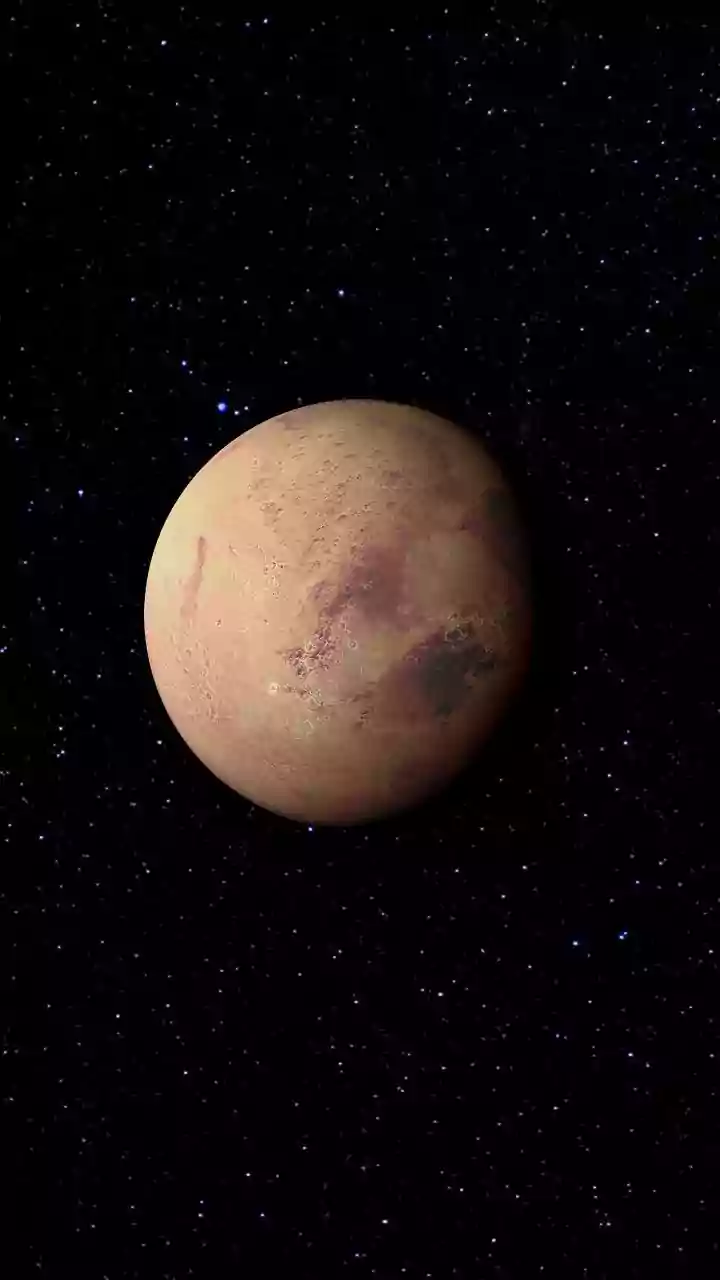
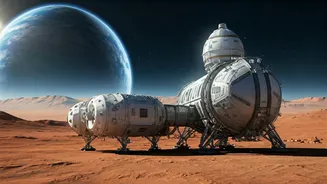
The Moon is the first stop, but it is viewed as a proving ground and a gateway, not the final destination. The focus is on the lunar south pole, believed to hold vast reserves of water ice which can be converted into breathable air, drinking water, and rocket fuel. Establishing a permanent base there is the first step towards a self-sustaining lunar economy. The true 'bigger destination' galvanizing many of these efforts is Mars. For both NASA and private players like SpaceX, a sustainable lunar presence is a critical stepping stone for the much more complex challenge of sending humans to the red planet. A Mars colony is seen by some as a long-term insurance policy for humanity, a way to make life multi-planetary. Beyond Mars, the asteroid belt represents a third frontier. Rich in minerals and precious metals, asteroids are the subject of future mining ambitions that could unlock trillions of dollars in resources and fuel a truly space-faring economy.