





Understanding Vitamin A: More Than One Form
Before we can compare these two vegetables, it is important to understand what we mean by 'vitamin A'. This essential nutrient comes in two main forms. The first is preformed vitamin A, or retinol, which is found in animal products like meat, fish, and dairy.
It is considered 'active' because our bodies can use it as-is. The second form is provitamin A carotenoids, which are found in plants. The most famous of these is beta-carotene, the pigment that gives carrots their vibrant orange colour. Our bodies must convert these plant-based precursors into an active form of vitamin A to use them. Carrots and spinach are both excellent sources of provitamin A carotenoids, but the types and amounts differ, as does our body's ability to access them.
The Carrot: A Beta-Carotene Champion
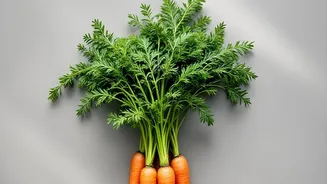
Carrots are synonymous with eye health for a reason; they are packed with beta-carotene. When you eat a carrot, you are consuming a high concentration of this specific vitamin A precursor. Studies show that the beta-carotene from carrots is relatively well-converted by the body into retinol. However, the tough cell walls of a raw carrot can make it difficult for our digestive system to access all the available nutrients. This means that while raw carrots are a healthy snack, you may not be getting as much vitamin A from them as you think. The story changes significantly once you add a little heat and fat, which helps break down those cellular barriers and unlock the nutrition within.
The Spinach Story: A Different Kind of Green
Spinach is also a source of beta-carotene, though the orange pigment is hidden by its abundant green chlorophyll. But spinach offers more than just one type of carotenoid. It is exceptionally rich in lutein and zeaxanthin. It is crucial to note that lutein and zeaxanthin are not vitamin A precursors; our bodies cannot convert them into vitamin A. However, they are powerful antioxidants that accumulate in the retina, where they help protect the eyes from damaging blue light and oxidative stress. So, while carrots might offer more raw material for making vitamin A, spinach provides a different but equally important set of compounds for overall eye health.
Bioavailability: The Key Difference
The real contest between carrots and spinach comes down to bioavailability—how much of a nutrient our body can actually absorb and use. The 'food matrix', or the physical structure of the vegetable, plays a huge role. Research indicates that the beta_carotene in carrots is generally more bioavailable than that in spinach. One study found that the conversion rate of beta_carotene to retinol was roughly 15_to_1 for carrots and 21_to_1 for spinach by weight, meaning you need more beta_carotene from spinach to produce the same amount of vitamin A. This is partly because spinach contains compounds like oxalic acid, which can bind to nutrients and slightly reduce their absorption when eaten raw.
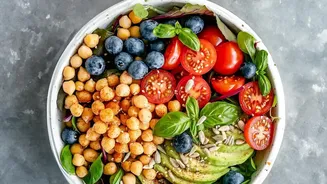
How you prepare these vegetables matters immensely. Since vitamin A is a fat_soluble vitamin, you must consume it with a bit of fat to absorb it properly. A drizzle of olive oil on roasted carrots or adding avocado to a spinach salad can increase absorption significantly. Cooking also helps. Gently heating vegetables like carrots and spinach helps break down their tough cell walls, releasing the carotenoids and making them more available to your body. Studies have shown that beta_carotene is more effectively absorbed from cooked carrots than raw ones. For spinach, light cooking can also deactivate the oxalic acid, improving the bioavailability of its nutrients. However, be careful not to overcook them, as prolonged high heat can begin to degrade some vitamins.