








The Allure of the 30-Second Fix
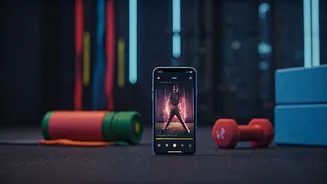
Fitness reels and short-form videos have exploded in popularity for a reason. They offer a hit of motivation, showcasing dynamic exercises in a visually appealing package that fits perfectly into our busy lives and short attention spans. These clips can
introduce new movements, inspire you to get off the couch, and create a sense of community. Following along with a 'FitTok' trend can feel empowering. However, this format, designed for virality, often prioritizes aesthetics and entertainment over the foundational principles of exercise science. The problem arises when this 'fitspiration' is mistaken for a complete and safe workout plan.
The Dangers of Decontextualized Workouts
A 30-second clip can't provide crucial context like warm-ups, cool-downs, or modifications for different fitness levels. This significantly increases the risk of injury. Performing exercises with incorrect form, which is easy to do without real-time feedback, can lead to muscle strains, sprains, and even long-term joint damage like low back strain or rotator cuff injuries. Many viral challenges encourage high-intensity or high-volume workouts that are unsafe for beginners or those unprepared for that level of physical stress. Without a proper foundation, attempting exercises shown online can do more harm than good.
Influencer vs. Certified Professional
A large social media following doesn't equate to expertise. Many popular fitness influencers lack formal education in exercise science, biomechanics, or nutrition. In fact, some studies have found that only a small percentage of influencers have relevant qualifications, and a majority of the content they post may be misleading or even harmful. A certified personal trainer, by contrast, has undergone rigorous education and testing to earn credentials. They are qualified to assess an individual's fitness level, design safe and effective programs, and understand the science behind movement and progression. This certification isn't just a piece of paper; it represents a commitment to a professional standard of care and client safety that most influencers are not held to.
The Power of Personalized Guidance
The single biggest advantage of proper gym guidance is personalization. A qualified trainer doesn't offer a one-size-fits-all solution. They assess your specific goals, injury history, and physical limitations to create a tailored plan. They watch your form in real-time, providing immediate corrections to maximize effectiveness and prevent injury. This concept of progressive overload—gradually increasing the intensity to continue making progress—is a cornerstone of effective training that random online videos simply cannot manage. A trainer helps you set realistic, long-term goals and adjusts your plan as you get stronger, breaking through the plateaus that often derail motivation.
Beyond the Physical: Accountability and Support
One of the most underrated benefits of working with a professional is accountability. It’s much harder to skip a workout when you have a scheduled appointment with a trainer who is invested in your success. This human connection provides motivation and support that a digital screen cannot replicate. A trainer can help you navigate the mental and emotional challenges of a fitness journey, celebrating your wins and helping you stay on track during setbacks. They can educate you on the 'why' behind your workouts, empowering you with knowledge that lasts a lifetime.