



First, Understand Your Light
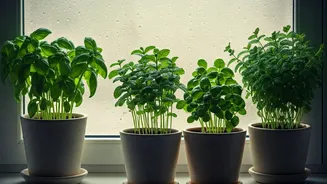
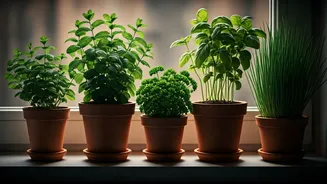
Before you start planting, it's helpful to know what 'low light' actually means. In the world of indoor gardening, low light refers to a spot that doesn't receive any direct sun. This could be a north-facing window, a corner several feet away from a brighter
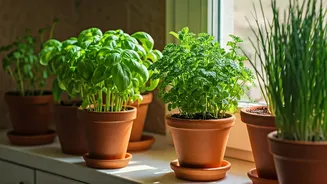
window, or a room where outdoor trees or buildings block the sun. Low-light plants are typically those that naturally grow on the forest floor, under the canopy of larger plants. One key to success in these conditions is to adjust your watering. Plants in lower light grow more slowly and use less water, so it’s easy to overdo it. Always check that the top inch of soil is dry before watering again.
1. The Unstoppable Mint
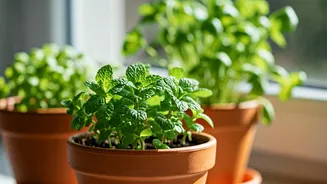
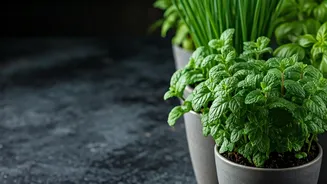
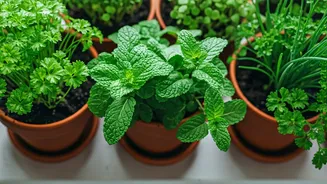
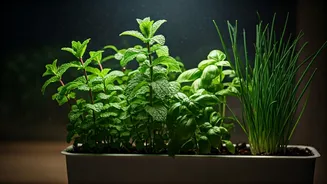
If you've ever planted mint in a garden, you know it’s famous for its aggressive, almost indestructible nature. This resilience makes it a perfect candidate for less-than-ideal indoor conditions. Mint is famously tolerant of shade and can survive, and even produce, in low-light environments. Its broad leaves are efficient at capturing whatever light is available. There are many varieties to choose from, like spearmint and peppermint, which both adapt well. For the best results, keep the soil consistently moist but not waterlogged, and trim it regularly to encourage bushier growth and prevent it from getting long and spindly. Growing it in a container is ideal, as it keeps its vigorous roots from taking over.
2. The Hardy Parsley
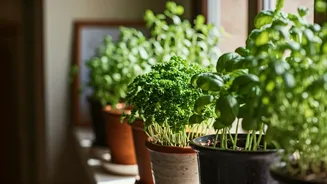
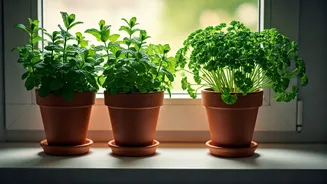
Parsley is one of the most versatile and durable culinary herbs you can grow indoors. Because it naturally handles partial shade outdoors, it's well-prepared for a low-light windowsill. While it won't grow as fast or as lush as it would in full sun, you can still get a steady supply for finishing dishes and garnishing. Both flat-leaf and curly varieties work well, though you may find the plants are a bit more slender or 'leggy' than their outdoor counterparts. To ensure success, use a pot with good drainage and harvest the outer stems first. This encourages the plant to produce new growth from the centre, extending your harvest for months.
3. The Subtle Chives
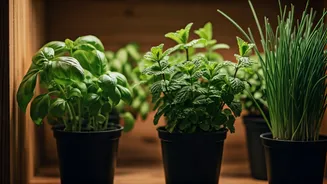
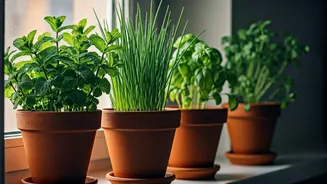
A member of the onion family, chives are incredibly resilient and a great choice for beginner gardeners. Their grass-like leaves offer a mild, fresh onion flavor that’s perfect for adding to eggs, potatoes, and salads. Chives are known to tolerate lower light levels quite well, although their growth will be slower than in a sunny spot. They don't require much space, making them ideal for a small windowsill pot. Like parsley, it's best to harvest by snipping the leaves from the base of the plant. A regular trim will encourage the plant to keep producing fresh, flavorful leaves. Use a pot with good drainage and allow the soil surface to dry out between waterings.
4. The Cheerful Lemon Balm
For a less common but equally rewarding choice, consider lemon balm. A relative of mint, it shares a similar tolerance for partial shade and container life. Its key feature is the wonderful, uplifting lemon scent released when you brush against its leaves, which can be used to make a relaxing herbal tea or add a citrusy note to dishes. While many sources recommend bright light, lemon balm is adaptable and can perform well with less, making it a worthy experiment for a low-light space. Ensure the pot has excellent drainage, as it dislikes soggy roots, and pinch off any flower buds that form to keep the leaves flavorful.