




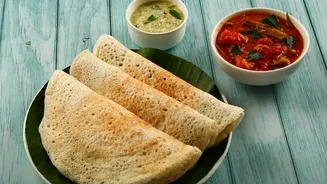
A Modern Twist on a Classic
The traditional dosa, made from a fermented batter of rice and lentils, is a masterpiece of South Indian cuisine. The oats dosa offers a quicker, lighter alternative, perfect for a healthy start to the day or a light meal. By swapping a portion of the traditional base
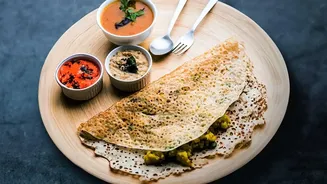
with oats, you get a dosa rich in fibre and protein that keeps you feeling full for longer. This isn't about replacing the original but celebrating a new way to enjoy familiar flavours. The texture is often compared to a crispy rava dosa, yet it can be made soft and porous as well. Best of all, it requires no lengthy fermentation, making it an excellent choice for a spontaneous, wholesome meal.
Crafting the Perfect Oats Dosa
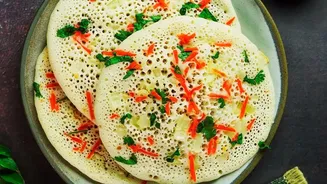
Making an instant oats dosa is surprisingly simple. The key is to get the batter consistency right. For a basic recipe, start by grinding one cup of rolled or instant oats into a fine powder. In a mixing bowl, combine the oat powder with a quarter cup of rice flour and a quarter cup of rava (semolina) for that essential crispiness. To this dry mix, add a quarter cup of curd for a slight tang, salt to taste, and about one-and-a-quarter cups of water, whisking to create a smooth, thin batter. For extra flavour, you can add finely chopped onions, green chillies, grated ginger, and fresh coriander leaves. Let the batter rest for about 15-20 minutes. Heat a non-stick tawa or griddle, pour a ladleful of the batter, and spread it thin. Drizzle a little oil or ghee around the edges and cook until golden brown and crisp.
The Classic Companion: Coconut Chutney
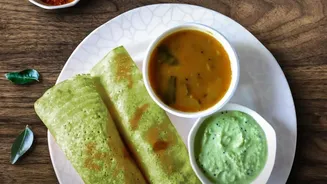
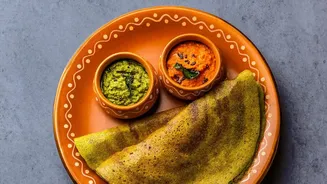
No dosa experience is complete without a side of fresh coconut chutney. Its creamy texture and mild, nutty flavour provide the perfect cooling contrast to the savoury dosa. There are countless variations, but a simple, classic recipe is always a winner. To make it, blend freshly grated coconut with a couple of green chillies, a small piece of ginger, and a tablespoon of roasted chana dal (daria), which adds body and flavour. Add salt and a little water to help it grind into a smooth paste. The final touch is the tempering, or 'tadka'. Heat a teaspoon of oil, splutter some mustard seeds, a broken dry red chilli, and a sprig of curry leaves, then pour this aromatic mixture over the chutney. This simple step elevates the chutney from good to unforgettable.
A Tangy Counterpart: Tomato Chutney
While coconut chutney is creamy and subtle, tomato chutney brings a vibrant, tangy, and sometimes spicy kick to the plate. It cuts through the richness and adds another dimension of flavour that works wonderfully with the earthy taste of oats dosa. A quick version can be made by sautéing chopped onions, garlic, and tomatoes until they are soft and pulpy. Once the mixture cools, blend it into a smooth paste. Like its coconut counterpart, this chutney benefits greatly from a simple tempering of mustard seeds and curry leaves. Some recipes combine both tomato and onion for a balanced flavour profile, perfect for those who enjoy a chutney that is sharp, tangy, and pungent all at once.
The Hearty Partner: Sambar
For a truly complete and comforting meal, sambar is the ultimate accompaniment. This flavourful lentil and vegetable stew is a South Indian staple for a reason. It’s hearty, nutritious, and packed with flavour from a unique blend of spices known as sambar powder. While traditional sambar can be a lengthy process, simpler versions are just as delicious. An easy sambar can be made by pressure-cooking toor dal until soft and mashing it smooth. In a separate pot, cook your favourite vegetables like drumsticks, carrots, and pumpkin with tamarind pulp, salt, and sambar powder. Finally, combine the cooked dal with the vegetables, let it simmer, and finish with a tempering of ghee, mustard seeds, and curry leaves. Dipping a piece of crispy oats dosa into a bowl of hot, fragrant sambar is pure comfort.