




The End of the Chocolate Monopoly
Walk down the snack aisle of any Indian supermarket, and you'll see the evidence: the protein bar section is booming. Historically, these bars have followed a predictable, Western-led flavour path—chocolate, vanilla, and maybe a sad-looking berry variant.
But a shift is underway. Indian consumers are tiring of the sweet monotony and a new wave of brands is finally asking a crucial question: why can't a protein snack cater to the Indian palate? The Indian consumer's preference has always leaned heavily towards savoury, spicy, and complex flavour profiles. It's a palate that craves the 'chatpata' kick of street food, not another bland, brownie-flavoured brick. The data backs this up; while Western snacks have held a large market share, ethnic and savoury snacks are now expected to grow at a faster pace, driven by strong cultural affinity and regional tastes.
A Hunger for Familiar Flavours
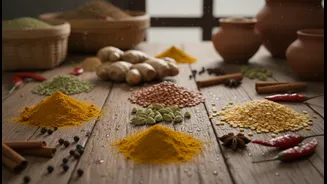
This evolution isn't just about taste; it's about identity and a growing confidence in local culinary traditions. As consumers become more health-conscious, they're not willing to sacrifice the flavours they grew up with. The demand is for products that merge health benefits with authentic taste. This has opened the door for innovation, with companies beginning to infuse modern health foods with the timeless appeal of Indian spices. Imagine a protein crisp with the tangy hit of amchur or a protein bar seasoned with the aromatic blend of cumin, coriander, and a hint of turmeric. This is no longer a hypothetical. Brands are recognising that success in the booming Indian snack market—projected to grow significantly in the coming years—depends on this very kind of localisation. They are realising that the answer to the healthy snacking challenge lies not in imitation, but in innovation rooted in tradition.
From Pani Puri to Protein Punch
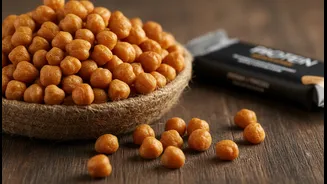
So, what does a chaat-flavoured protein snack landscape look like? It's about taking the core components of chaat—the interplay of sweet, sour, spicy, and crunchy—and applying them to new, healthier formats. We're already seeing this in adjacent categories. Makhana (fox nuts) are roasted and tossed in pudina or masala flavours. Chickpea and lentil-based chips are providing a high-protein crunch that feels familiar. The logical next step is for protein bars and other concentrated snacks to follow suit. Products like 'Minty Chaat' protein snacks are early indicators of this trend. Even traditional snacks are being reimagined as protein powerhouses. Recipes for sprouted moong bhel and kala chana papdi chaat are gaining popularity as guilt-free, protein-rich alternatives to their traditional counterparts, proving the demand for healthy chaat is real.
More Than Just a Taste Trend
This shift towards savoury, Indian-flavoured protein snacks is part of a larger movement. Indian consumers are becoming more discerning, actively reading labels and seeking out clean, natural ingredients. The rise of 'clean label' products means people want to recognise what's in their food. This automatically puts traditional Indian spices and ingredients at an advantage over synthetic flavourings and sugar alcohols common in many imported protein bars. Furthermore, the trend is a nod to the fact that Indian cuisine has always had its own high-protein snacks, from roasted chana and paneer to sattu and sprouts. The current innovation is not about inventing something entirely new, but about packaging this age-old wisdom into convenient, modern formats that fit a busy, urban lifestyle. It's about making healthy eating feel less like a compromise and more like a celebration of familiar, beloved flavours.