


The Constant Gap Between Supply and Demand
At the heart of Mumbai's water issue is a fundamental imbalance. The city's official daily water requirement is estimated to be between 4,600 and 4,665 million litres per day (MLD). However, the Brihanmumbai Municipal Corporation (BMC) supplies approximately
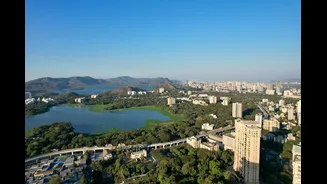
3,950 to 4,100 MLD. This creates a persistent daily deficit. While the population within the core city has stabilised, the broader Mumbai Metropolitan Region continues to expand, and factors like improved living standards, commercial growth, and a massive floating population of commuters constantly push consumption higher. This October, even with reservoirs holding over 90% of their capacity after the monsoon, the system is struggling to meet this ever-growing thirst.
An Aging Network Under Tremendous Pressure
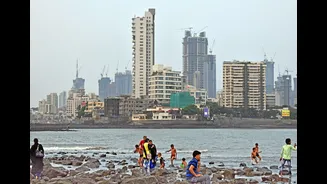
Even when the lakes are full, getting the water to over 13 million residents is a monumental task. Much of Mumbai's water distribution network is over a century old, making it prone to leakages and failures. According to BMC officials, a staggering 34% of the city's water is currently classified as 'Non-Revenue Water'. This means it is lost to leakages, unauthorised connections, or other inefficiencies before it ever reaches a consumer's tap. This immense loss puts additional strain on the entire system, forcing the BMC to pump more water just to compensate for what is lost along the way. The challenge is not just scarcity at the source, but significant wastage within the distribution grid itself.
Post-Monsoon Realities and Climate Jitters
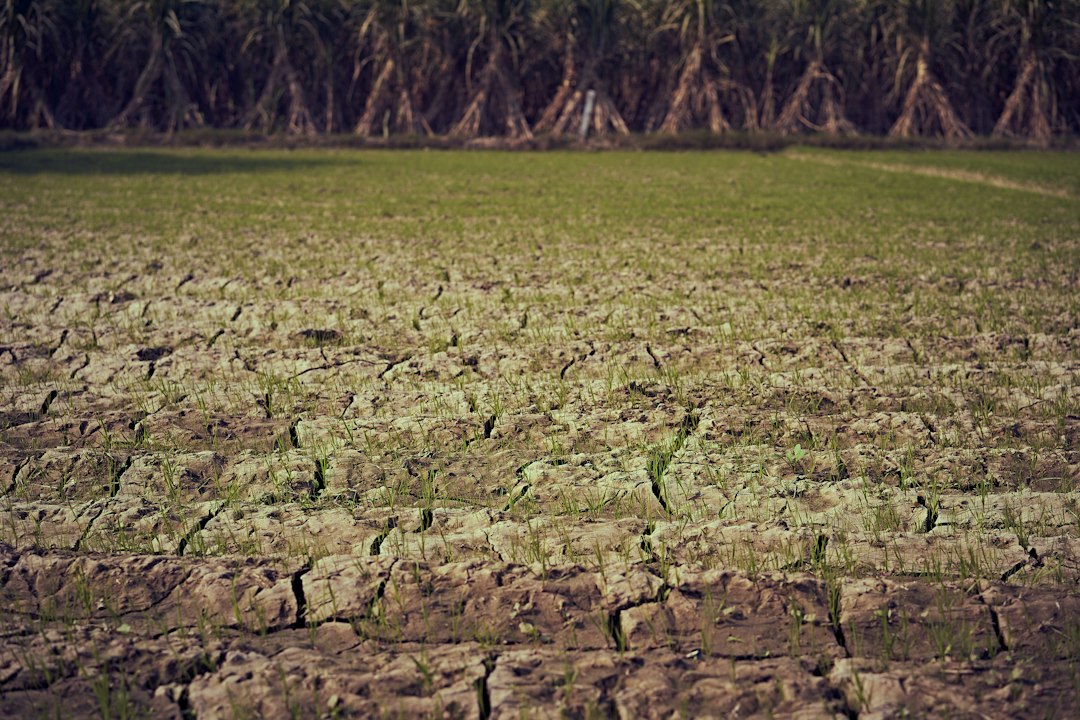
This year, a deficient rainfall in August and September, influenced by factors like El Niño, meant the lakes did not fill to their absolute brim as they have in some previous years. As of early October 2026, total water stock was around 94-96%, slightly lower than the 99% recorded on the same date in 2025. While this seems like a small difference, it has prompted caution from officials. The Maharashtra government has ordered a minimum 10% water cut across urban areas from October 16, citing the need to conserve stocks until the next monsoon. Adding to the concern is the October heat, which increases evaporation from the reservoirs and drives up consumption for drinking and cooling, further straining the system.
The Distribution Bottleneck
The strain is not felt equally across the city. Delivering water through a network of pipelines spanning over 120 kilometres is a complex logistical operation. Areas at the tail end of the supply lines or in elevated localities often experience lower pressure and more erratic supply. To manage these inequities, the BMC is considering day-wise rationing in some areas and has deployed additional water tankers. The civic body is also working on a new app-based system for booking tankers to improve transparency and efficiency. These measures highlight that the problem is as much about distribution management as it is about the total volume of water available in the lakes.
Long-Term Plans and Immediate Conservation
The BMC is acutely aware that the current system is stretched to its limit. Projections show Mumbai's water demand could rise by over 50% by 2041, creating a potential daily deficit of over 2,300 MLD if new sources are not developed. Several large-scale projects, including the Gargai and Pinjal dams, are in various stages of planning and construction, but they are years away from completion. In the immediate term, the focus is on conservation. The BMC has appealed to citizens to use water judiciously and is reviving hundreds of old wells to provide non-potable water for uses like construction and gardening, hoping to reduce the demand on treated drinking water.