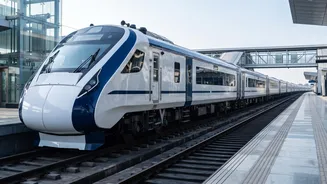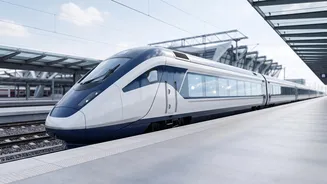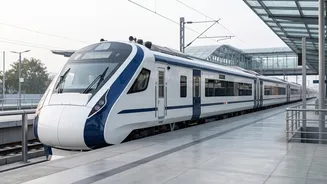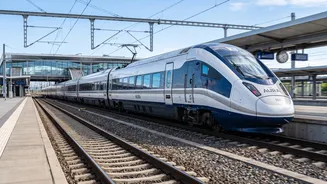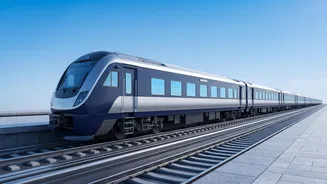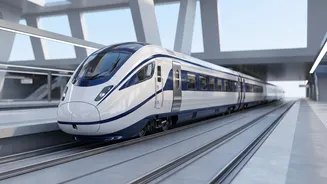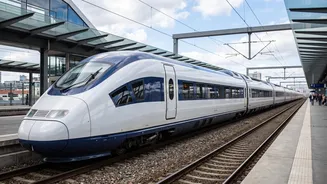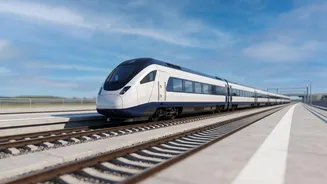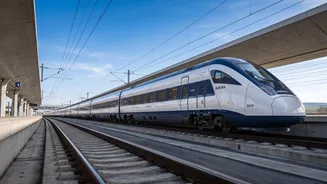






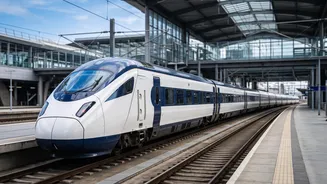
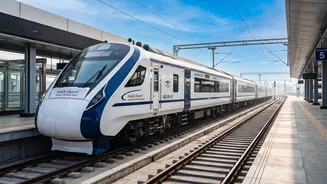
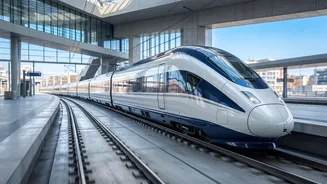
Indian Railways is looking to tackle the immense demand for overnight travel by expanding its newest premium offering. A plan is in motion to introduce a longer, 24-coach version of the Vande Bharat Sleeper, promising more berths and enhanced amenities.
A Longer, Higher-Capacity Premium Train
Indian Railways is advancing its plan to introduce a 24-coach variant of its popular Vande Bharat Sleeper train, a significant expansion from the current 16-coach configuration. This move is aimed squarely at increasing passenger capacity on long-distance, overnight journeys, which are among the most sought-after services on the network. The Integral Coach Factory (ICF) in Chennai has been tasked with manufacturing an initial 50 of these longer trainsets. The existing 16-coach Vande Bharat Sleeper, which recently began operations on routes like Bengaluru-Mumbai, accommodates approximately 823 passengers across its three AC classes. While the final berth count for the 24-coach version is dependent on the approved design, adding eight more coaches represents a substantial boost in carrying capacity, addressing the constant challenge of waitlisted tickets on popular routes. This development is part of a major push to modernize overnight train travel, offering a premium alternative to the existing Rajdhani and Duronto Express trains.
From 16 To 24 Coaches: What's Being Added?
The expansion from 16 to 24 coaches isn't just about adding more passenger compartments. A key feature of the new design is the inclusion of a dedicated pantry car. Unlike the modular pantry units in the current sleeper prototype, a full pantry car will allow for better onboard catering services, including the ability to heat and serve fresh, hot meals throughout the journey. This is a critical addition for long-haul routes that span over 24 hours. Furthermore, the plan includes provisions for more toilets to accommodate the increased number of passengers, a practical enhancement for improving comfort on extended trips. While the exact coach composition is yet to be finalized, the additions are focused on making the train better suited for longer, more demanding overnight schedules, moving beyond just increasing the berth count and focusing on a more complete passenger experience.
Passenger Comfort and Modern Amenities
The Vande Bharat Sleeper platform has already set a new benchmark for passenger comfort, and the 24-coach version is expected to build on this. Confirmed features of the Vande Bharat Sleeper include ergonomically designed, cushioned berths for better sleep quality, and redesigned ladders for easier access to the upper berths. Each passenger has access to individual reading lights and charging points for electronic devices. The coaches feature automatic doors, sealed gangways to maintain cleaner air and consistent temperature, and advanced suspension for a smoother, quieter ride. Safety is also a cornerstone of the design, with the indigenous Kavach anti-collision system installed, along with CCTV cameras and an emergency communication system that allows passengers to contact the driver. While some ultra-premium features like hot-water showers are specific to the First AC coach, the overall standard of amenities across all classes represents a significant upgrade.
Timeline and the Broader Fleet Expansion
Passengers eager to travel on these new, longer trains may have to wait a little while. The target for the rollout of the first 24nd coach Vande Bharat Sleeper is the first half of 2027, with June 2027 being a proposed deadline. The final design is expected to be approved by November 2026, after which the manufacturing and mandatory trial phases will commence. This initiative is part of a much larger strategic vision for Indian Railways, which plans to introduce more than 200 Vande Bharat sleeper trains in the coming years. To achieve this ambitious goal, manufacturing has been distributed among several entities. Beyond the 50 trainsets from ICF, Bharat Earth Movers Limited (BEML) is producing 10 trainsets, an Indo-Russian joint venture named Kinet is tasked with 120, and a consortium of Titagarh and BHEL will manufacture another 80.