


The New Retail Frontier
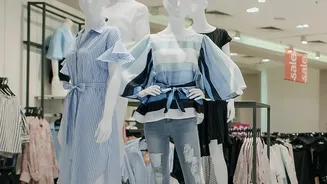
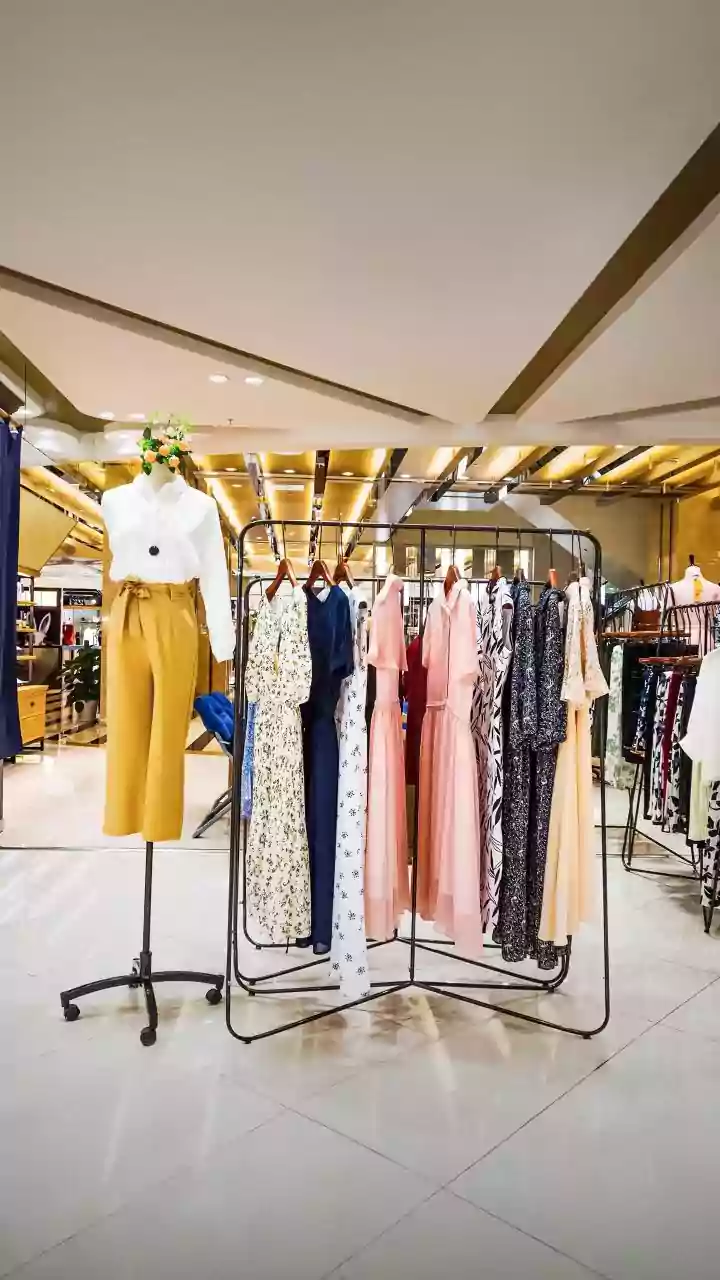
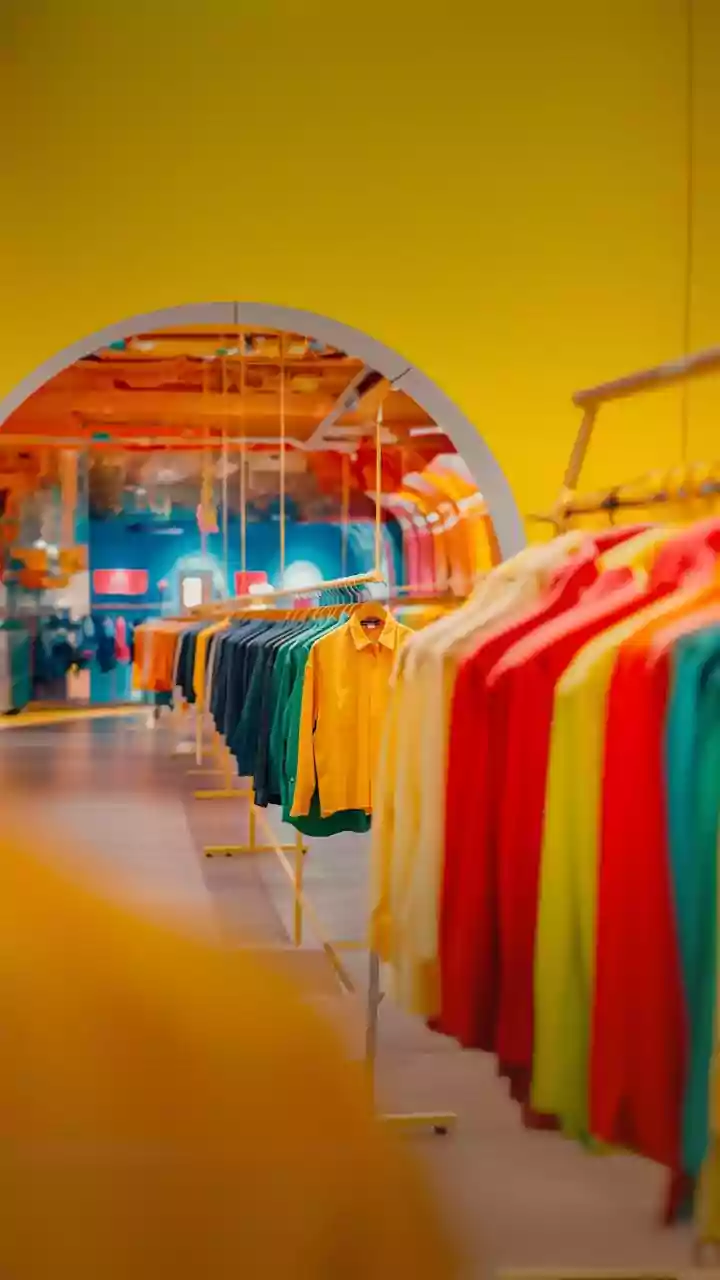
The fashion revolution is no longer confined to Mumbai and Delhi. A seismic shift is underway as major fast fashion retailers, from global giants like H&M and Zara to domestic powerhouses like Zudio and Spykar, expand aggressively into Tier 2 and Tier 3
cities. Places like Indore, Coimbatore, Jaipur, and Lucknow are the new battlegrounds for retail dominance. This expansion is fueled by a perfect storm of rising disposable incomes, widespread internet access that fuels aspirations, and a young, trend-conscious demographic eager for branded apparel. For retailers, these cities represent a massive untapped market, often with lower operational costs and a faster path to profitability compared to the saturated metros.
The Initial Allure of Affordable Trends
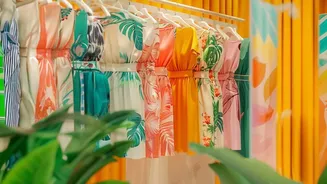
The arrival of these brands is often met with excitement. For the first time, consumers in cities like Patna and Bhubaneswar have direct access to styles they previously only saw on social media. The core appeal is undeniable: trendy clothing at remarkably low prices. This model, perfected by brands like Zudio, which focuses on a low-margin, high-volume strategy with most items priced under ₹999, makes fashion highly accessible. It allows a new generation of shoppers to participate in the latest trends without a significant financial commitment, democratizing style in a way that was previously unimaginable. This initial phase is a honeymoon period where the thrill of access and affordability overshadows most other concerns.
When the Seams Start to Split
However, after a few washes, the honeymoon phase often ends. A growing number of consumers are discovering the hidden downside of fast fashion: poor durability. Garments that look great on the hanger can quickly lose their shape, fade, or fall apart. The culprit is the business model itself, which prioritizes speed and cost-cutting over longevity. Manufacturers often use lower-grade materials like cheap polyester, reduce the number of stitches per inch, and skip crucial steps like pre-shrinking the fabric. The result is clothing that pills easily, features seams prone to splitting, and may not survive more than a handful of wears before being discarded. The average fast fashion item is worn only seven to ten times before it is thrown away, a reality driven by its deliberate lack of durability.
The 'Value for Money' Calculus Changes
This experience is forcing a difficult conversation about what 'value' truly means. For generations, many Indian consumers have viewed clothing as a long-term purchase, where quality and durability were paramount. The idea of a disposable wardrobe clashes with this traditional mindset. Shoppers are now caught between the aspirational pull of new trends and the practical disappointment of poor quality. They are beginning to perform a new kind of mental math, calculating the 'cost-per-wear' and realizing that a cheap T-shirt worn only twice is more expensive in the long run than a better-quality one worn for years. This shift reflects a broader trend of Indian consumers becoming more discerning, balancing aspiration with financial prudence and seeking products that are dependable.
A Quiet Rebellion and the Search for Quality
The disillusionment with fast fashion's quality is fostering a quiet rebellion. While the demand for trendy items remains high, a counter-movement is emerging. Some reports suggest consumers in smaller cities are becoming adept at mixing and matching, layering, and repeating outfits to extend the life of their wardrobes. This pushback also creates an opening for local tailors and brands that prioritize craftsmanship and durability. The conversation around sustainability, once a niche topic in metros, is slowly gaining traction as consumers witness the sheer volume of textile waste generated by disposable clothing. Though still a small segment, more shoppers are beginning to understand that true sustainability isn't just about eco-friendly materials, but also about longevity and reducing consumption.