

A National Challenge in Every Tap
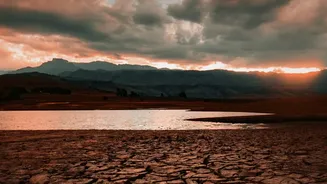
India is facing one of its most serious water crises in history. According to a NITI Aayog report, nearly 600 million people experience high to extreme water stress. This isn't just about dams and rivers; it's about the water that fills our glasses, cooks
our food, and cleans our homes. Recent data from September 2026 shows that water storage in India's major reservoirs is below the ten-year average, raising concerns for the months ahead. Per capita water availability is projected to continue its decline in the coming years. With around 70% of our water being contaminated, the challenge is twofold: quantity and quality. This national issue requires a local response, starting with the choices we make every single day within our own four walls.
The Conscious Kitchen
The kitchen is a hub of water consumption, from washing produce to cleaning utensils. The first step is to stop seeing the tap as an infinite source. Instead of washing vegetables under a running tap, use a bowl of water. This water can then be reused for watering plants. Another significant source of water wastage is the reverse osmosis (RO) purifier, which discards several litres of water for every litre it purifies. This 'reject' water is perfectly usable for mopping floors or cleaning the kitchen counter. When washing dishes, avoid leaving the tap running. Scrape food scraps off plates before washing and, if possible, pre-soak heavily soiled utensils in a basin of water rather than using direct, high-pressure flow to clean them. These small adjustments can collectively save a significant amount of water daily.
A Bathroom Water Audit
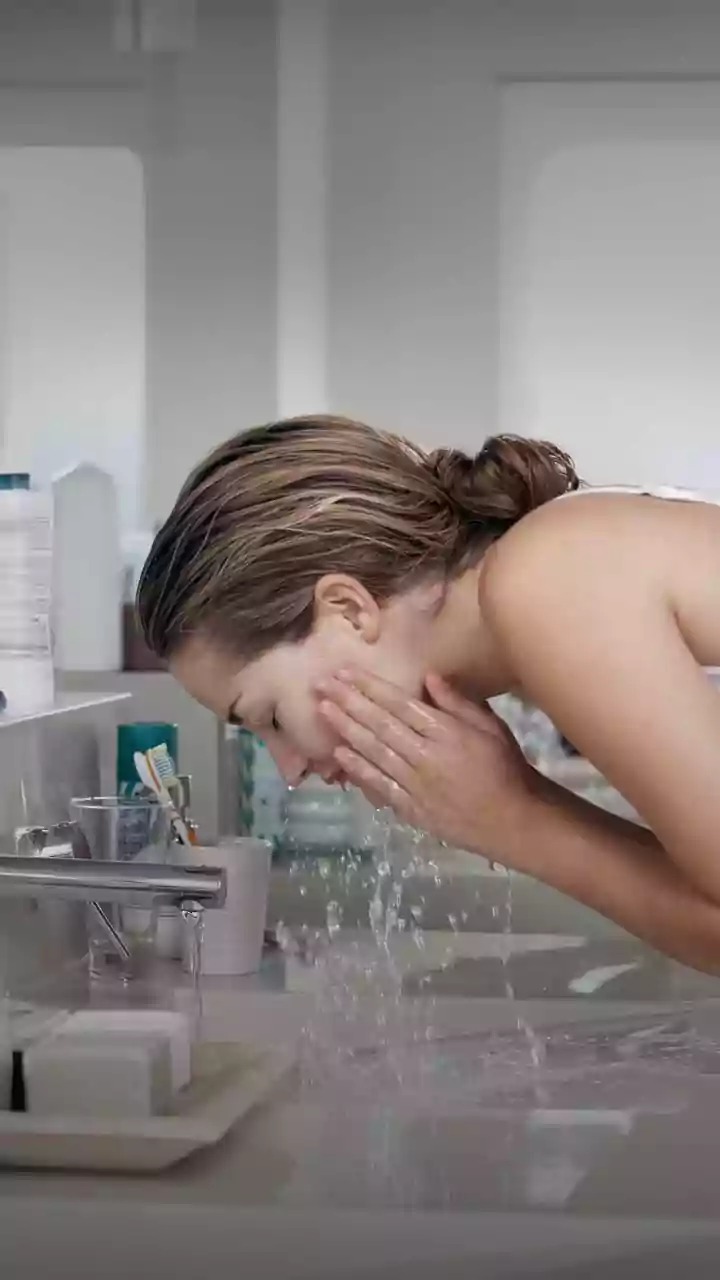
The bathroom accounts for a large portion of domestic water use. The most effective change is shifting from long showers to bucket baths, a traditional practice that gives you complete control over the amount of water used. A quick shower can use anywhere from 30 to 50 litres, while a bucket bath typically uses less than 20. Simple habits like turning off the tap while brushing your teeth or lathering soap can save thousands of litres per year for a family. Check your toilet for silent leaks by adding a few drops of food colouring to the cistern; if the colour appears in the bowl without flushing, you have a leak that needs fixing. Upgrading to modern fixtures like low-flow aerators for taps and dual-flush systems for toilets can also drastically cut water consumption without any change in habit.
Smarter Laundry and Cleaning
Washing machines are notoriously thirsty appliances. The key to water-efficient laundry is to always run the machine with a full load. Many modern machines have eco-friendly or water-saving cycles; make these your default setting. For smaller items, consider hand-washing in a bucket. The leftover rinse water is ideal for flushing toilets or cleaning floors and balconies. When it comes to mopping, using a bucket with a fixed amount of water is far more efficient than repeatedly rinsing a mop under a running tap. For small spills or stains, spot cleaning with a damp cloth is a much better alternative to washing an entire garment or mopping a whole floor. These practices not only conserve water but can also lead to savings on electricity bills.
Beyond the Basics: A Mindset Shift
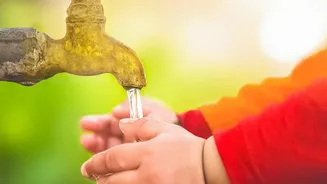
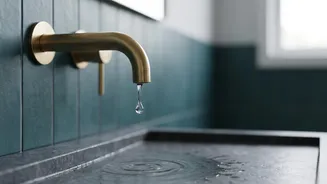
Ultimately, tackling water stress at home is about fostering a mindset of conservation. Every drop counts. Simple actions like checking for and immediately fixing dripping taps can prevent thousands of litres of water from being wasted annually. If you have a garden or even just a few potted plants on a balcony, use water from the RO filter or leftover water from washing vegetables. Instead of hosing down your car or driveway, opt for a bucket wash. On a larger scale, communities in apartment buildings can work together to install rainwater harvesting systems and advocate for water recycling plants. The government's Jal Jeevan Mission has made strides in providing tap connections, but the long-term sustainability of our water sources depends on the conscious efforts of every citizen.