




The Arrival of the Rains
To understand the food, you first have to understand the mood. The Indian monsoon isn't just a weather event; it's a profound seasonal shift that alters the landscape, the economy, and the national psyche. After months of scorching, dry heat, the first rains
are a welcome relief. The smell of petrichor—the earthy scent of rain on dry soil—fills the air. Rivers swell, the countryside turns a vibrant green, and a cool, damp atmosphere settles in for weeks. This dramatic change creates a specific craving for comfort, warmth, and flavor. The cozy feeling of being indoors, watching the downpour, is the perfect backdrop for indulgent, hot snacks, and in India, that often means something deep-fried and generously spiced.
An Ancient Health Tradition
The craving for spice isn't just about taste; it's rooted in centuries of Ayurvedic tradition. According to Ayurveda, India’s ancient system of medicine, the monsoon season is a time when the body’s digestive fire, or *agni*, is naturally weaker. The damp, cool environment is also thought to make people more susceptible to infections and colds. The solution? Spices. Ingredients like ginger, black pepper, turmeric, and chilies are considered “heating” agents. They are believed to stoke the digestive fire, improve metabolism, and help the body fight off seasonal ailments. The capsaicin in chilies, for instance, can induce sweating, which helps the body regulate temperature, and many spices have well-documented antibacterial and anti-inflammatory properties. So, that plate of spicy fritters isn’t just an indulgence; it's seen as a way to rebalance the body and stay healthy during a vulnerable season.
The Icons of Monsoon Snacking
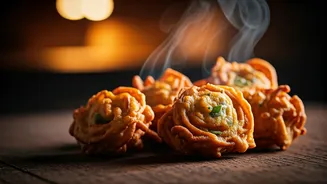
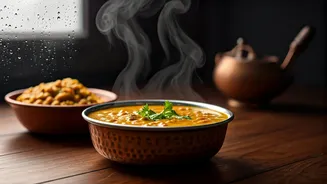
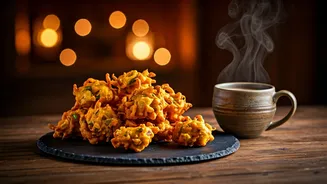
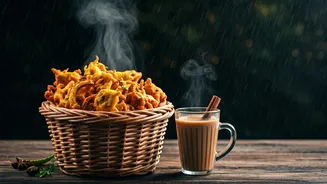
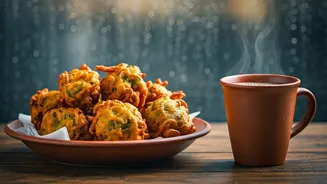
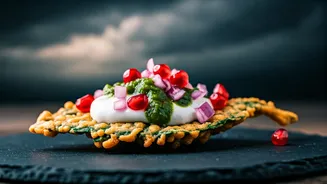
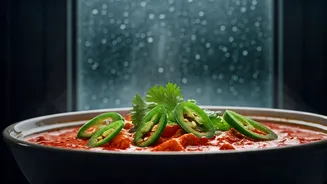
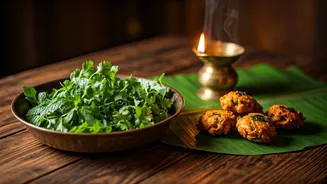
When the rain starts, street food vendors and home kitchens spring into action, producing a beloved roster of monsoon specialties. The undisputed king is the *pakora*—assorted vegetables like onion, potato, or spinach dipped in a spiced chickpea flour batter and deep-fried to crispy perfection. Served steaming hot with tangy chutney, they are the ultimate rainy-day comfort food. Another favorite is the *samosa*, a triangular pastry filled with spiced potatoes and peas. You’ll also find vendors roasting corn on the cob (*bhutta*) over charcoal embers, rubbing the kernels with salt, chili powder, and a squeeze of lime. For something more substantial, hot and spicy soups, like a tangy tomato or a lentil-based *rasam*, provide warmth from the inside out. Each bite is a burst of flavor designed to cut through the dampness of the season.
A Social Ritual
Beyond health and flavor, monsoon food is deeply social. The act of gathering with family or friends to share a plate of hot snacks and a cup of milky, spiced tea (*chai*) is a cherished ritual. The rain often forces a slower pace of life, encouraging people to pause and connect. The phrase "chai-pakora" has become cultural shorthand for this perfect rainy-day combination. It represents conversation, community, and the simple pleasure of sharing a comforting meal while listening to the rhythm of the rain outside. It transforms a simple weather pattern into an opportunity for connection, turning a plate of fried food into a vehicle for togetherness.