


The Myth and Reality of Overtourism
Japan's reopening to the world after a long pause has seen visitor numbers soar, with 2023 figures quickly surpassing pre-pandemic records. This boom, fueled by a weak yen and pent-up demand, has intensified the strain on the country's most beloved sites.
While tourism brings vital revenue, the concentration of visitors in a few famous spots—a trend amplified by social media—has led to significant challenges. Locals in cities like Kyoto report disruptions to their daily lives, from impassable sidewalks to overcrowded buses. The issue isn't that Japan is full; it's that a handful of 'must-see' locations are bearing the brunt of the traffic, creating an experience that can feel less like a cultural pilgrimage and more like a battle with crowds.
Arashiyama Bamboo Grove: A Forest of Frustration?
The image is iconic: a tranquil path winding through a towering, otherworldly forest of bamboo in Kyoto. It promises serenity and a connection to nature. The reality, for most of the day, is a slow-moving shuffle along a narrow, congested path. The grove is often packed by 9 a.m., with visitors vying for an unobstructed photo, a task that requires strategic timing and clever angles to achieve. The constant foot traffic and, sadly, instances of vandalism—with names carved into the stalks—detract from the spiritual atmosphere the place is meant to embody. To find the peace promised in pictures, you need to visit at sunrise or after dusk, when the crowds finally thin. Otherwise, the experience is more about navigating a human river than finding zen.
Fushimi Inari Shrine: A Pilgrimage of Patience
The seemingly endless corridor of over 10,000 vibrant red torii gates at Fushimi Inari Shrine is another of Kyoto's most famous sights. It’s a powerful symbol and a stunning visual. However, the main path can be so congested that it's difficult to move, let alone appreciate the spiritual significance of the transition from the profane to the sacred. The crowds have become a serious issue, even causing dangerous situations at a nearby railway crossing as tourists ignore safety warnings. The sheer volume of people has led to damage at the shrine itself. While the entire mountain complex offers quieter, alternative trails where one can find solitude and even small bamboo groves, most visitors stick to the main, crowded route, turning a potential spiritual journey into a test of patience.
Mount Fuji: A Congested Climb
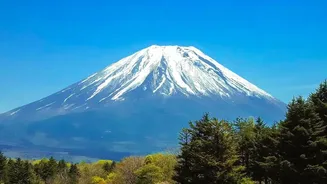
Climbing Japan's highest and most sacred mountain is a bucket-list achievement for many. While not a technically difficult climb for a person with reasonable fitness, the challenge is often underestimated. The biggest hurdle isn't just the steep, volcanic terrain and high altitude, but the crowds. During the short climbing season from July to early September, the trails can become clogged with 'human traffic jams', especially during the final push to the summit for sunrise. This congestion not only slows progress but also increases physical strain. In response, authorities have introduced daily climber caps and fees to manage the flow and protect the environment, acknowledging that the dream of a solitary, spiritual ascent often clashes with the reality of a shared and crowded path.
Shibuya Crossing: Organized Chaos or Just Chaos?
Tokyo's Shibuya Crossing is famously known as the world's busiest pedestrian intersection, a mesmerizing spectacle of synchronized movement where up to 3,000 people cross at once. It's a symbol of modern Tokyo's energy. For many locals, it's simply part of their daily commute. For tourists, however, the experience can be overwhelming. The 'scramble' is an attraction in itself, but the sheer volume of people, noise from giant video screens, and the need to navigate the crowds can be more intense than expected. While the flow is surprisingly organized, visitors hoping for a moment of reflection amidst the neon glow might find it elusive. The best experience often comes from a viewpoint above, like a nearby café or observation deck, where the grand scale can be appreciated without being swept away by the current.