





Trading Checklists for Connection
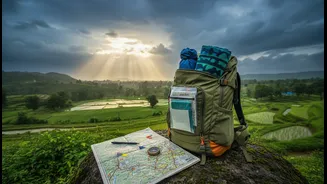
At its heart, slow travel is a mindset. It’s the conscious decision to move away from crammed itineraries and the pressure to 'see everything.' Instead of rushing between viewpoints and tourist spots, the focus shifts to experiencing a place at a leisurely
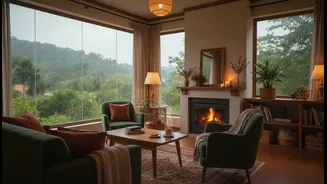
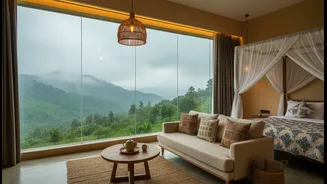
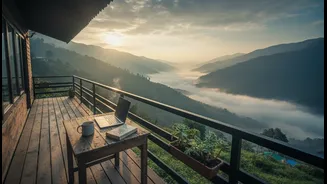
pace. This means more time for spontaneous walks, reading a book on a misty balcony, or simply watching the clouds drift by. Travellers are finding that this approach allows for a deeper connection with the destination, fostering a sense of peace that a fast-paced tour can rarely provide. It's about being present, not just covering ground. This philosophy resonates particularly well during the monsoon, a season that naturally encourages a more reflective and unhurried rhythm.
The Monsoon's Underrated Magic
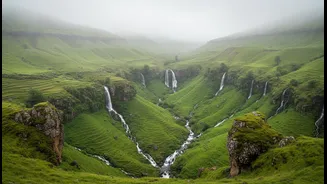
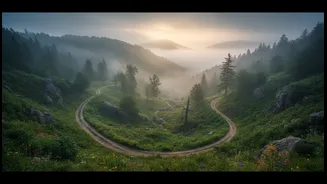
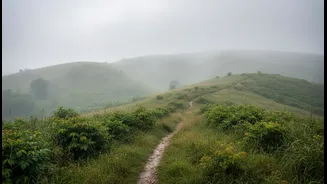
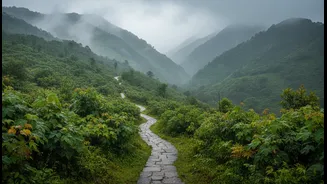
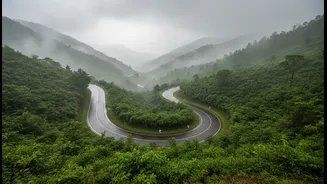
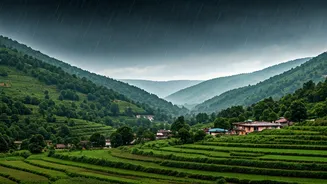
For years, the rainy season was considered the 'off-season' for hill travel, a time to be avoided. But that perception is changing. Travellers are now discovering the unique allure of the hills draped in monsoon finery. The rain washes the landscape clean, leaving behind vibrant shades of green and air that feels crisp and fresh. Waterfalls, often trickles in other seasons, become powerful spectacles. The atmosphere is transformed by mist and low-hanging clouds, creating dramatic, ever-changing vistas that offer a sense of serenity difficult to find during busier times. This sensory richness—the smell of wet earth, the sound of rain on a tin roof, the sight of lush forests—is a significant part of the appeal.
Fewer Crowds, Greater Authenticity
One of the most practical benefits of monsoon travel is the significant reduction in crowds. Popular destinations in Himachal, Uttarakhand, and the Western Ghats become quieter, allowing for a more personal and intimate experience. Cafes are less crowded, trails are more peaceful, and there's a greater chance to interact with locals in a relaxed manner. This relative solitude is a huge draw for those looking to escape the noise and rush of city life. Furthermore, off-season travel often translates to better deals on accommodation, making it possible to enjoy premium stays at more affordable prices, which can facilitate longer, more relaxed trips.
The Rise of the 'Workation'
The increasing flexibility of remote work has also fuelled this trend. The monsoon season has become a popular time for 'workations,' where professionals trade their home office for a scenic mountain view. With reliable internet now available in many hill towns, a long-term stay becomes a viable option. The serene environment, cooler weather, and fewer distractions provide a perfect backdrop for productivity, while evenings and weekends are free for exploration and relaxation. This blending of work and leisure allows for a more immersive experience than a short holiday would permit, perfectly aligning with the principles of slow travel.
Where to Embrace the Slow Monsoon
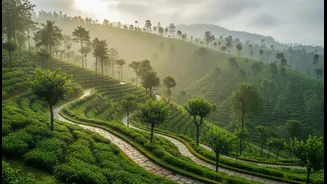
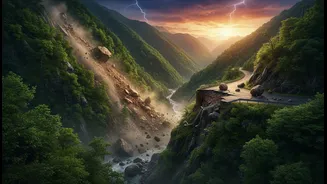
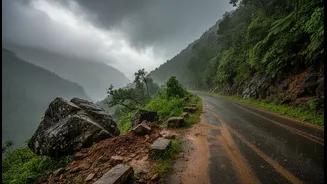
While some high-altitude Himalayan regions can be risky during heavy rains due to landslides, many destinations are well-suited for a slow monsoon retreat. In the south, places like Coorg, Wayanad, and Ooty in the Western Ghats burst into life, with their coffee plantations and spice gardens looking their best. In the north, gentler destinations like Kasauli or parts of Uttarakhand such as Bhimtal and Mukteshwar offer misty landscapes and cosy stays. The key is choosing locations known for good infrastructure and avoiding areas prone to extreme weather events. The journey itself becomes part of the experience, with road trips best undertaken with patience and a flexible schedule.