




A Healthier Way to Honour Tradition
In kitchens across India, the sizzle of snacks in a kadhai of hot oil is a cherished sound. From monsoon pakoras to festive mathris, these treats are deeply woven into the fabric of daily life. Yet, a shift is underway. Health-conscious home cooks are embracing
the air fryer, a countertop appliance that promises the satisfying crunch of fried food with up to 80% less oil. This isn't about abandoning tradition but adapting it. The air fryer works by circulating hot air at high speed, creating a crispy exterior while keeping the inside tender, much like a convection oven but faster and more compact. This technology allows for healthier indulgence, significantly cutting calories and fat, which is a major draw for families wanting to enjoy their favourite snacks without the associated guilt.
The Samosa Makeover
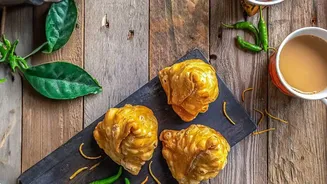
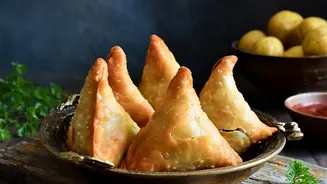
The ultimate test for many is the samosa. Can a version not submerged in oil truly satisfy? The answer is a resounding yes. Home cooks have found that brushing samosas with a thin layer of oil and cooking them at around 180°C for 15 minutes yields a surprisingly crispy and flaky pastry. The filling remains moist and flavourful, and the final product is remarkably close to the original, minus the heavy, greasy feeling. Some even argue that frozen samosas work beautifully, as their pre-sealed pastry holds its shape perfectly in the circulating hot air. The result is a snack that delivers on its promise of crunch and flavour, making it one of the most successful air fryer adaptations.
Perfecting Pakoras and Bhajis
Pakoras, or bhajis, present a different challenge due to their wet besan (gram flour) batter. A runny batter can drip through the air fryer's basket. The solution is to make the batter much thicker than you would for deep-frying, almost like a paste. By shaping the mixture into flat patties instead of loose fritters and placing them on parchment paper, home cooks can prevent a mess and ensure even cooking. A quick spray of oil helps the outside develop a golden, crunchy texture. While the final result might be slightly denser than a deep-fried pakora, the flavour is all there, providing a satisfying and much lighter alternative for a rainy day.
Beyond the Classics: Chakli, Vada, and More
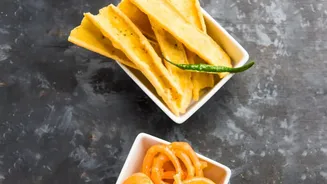
The air fryer's versatility extends to a wide range of regional specialties. Dry snacks like mathri and chakli (murukku) are excellent candidates for this cooking method. For chakli, the dough is pressed into spirals and cooked at around 180°C, turning them into crunchy, golden treats that crisp up further as they cool. Even some South Indian snacks are getting the air fryer treatment. While a traditional Medu Vada with its wet batter can be tricky, cooks are experimenting with chilling the batter to make it firmer before shaping and air frying. Lighter snacks like masala peanuts, roasted makhana (fox nuts), and kurkuri bhindi (crispy okra) are also incredibly easy and come out perfectly crispy with minimal effort.
Tips for Air-Frying Success
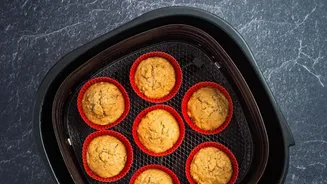
To get the best results when converting traditional recipes, a few key principles apply. First, always preheat your air fryer for a few minutes to ensure the cooking starts immediately. Don't overcrowd the basket; food needs to be in a single layer for the hot air to circulate and create a crispy finish. For items that are normally deep-fried, a light brush or spray of oil is essential for colour and crunch. Finally, remember to shake the basket or flip the items halfway through the cooking time to ensure they brown evenly on all sides.