





A New Galaxy of Opportunity
India's ambitions in space are growing, and ISRO knows that to build a sustainable future among the stars, it needs to nurture talent on the ground. As part of a broader strategy to democratise space technology, the agency is expanding its educational
outreach. This involves a range of structured initiatives designed to give students hands-on experience with real space missions. The goal is to move beyond theoretical knowledge and provide students, even those in smaller towns and tier-2 or tier-3 cities, a direct line to participating in India’s booming space ecosystem. The push is part of a national strategy to build a future-ready workforce and cultivate innovation from a young age, ensuring India remains a leader in space exploration and technology. This expansion isn't just about finding the next generation of rocket scientists; it's about fostering a nationwide culture of scientific curiosity.
From Classroom Concepts to Orbiting Satellites
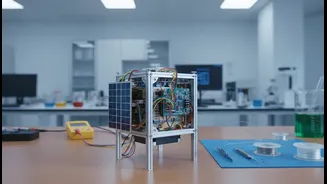
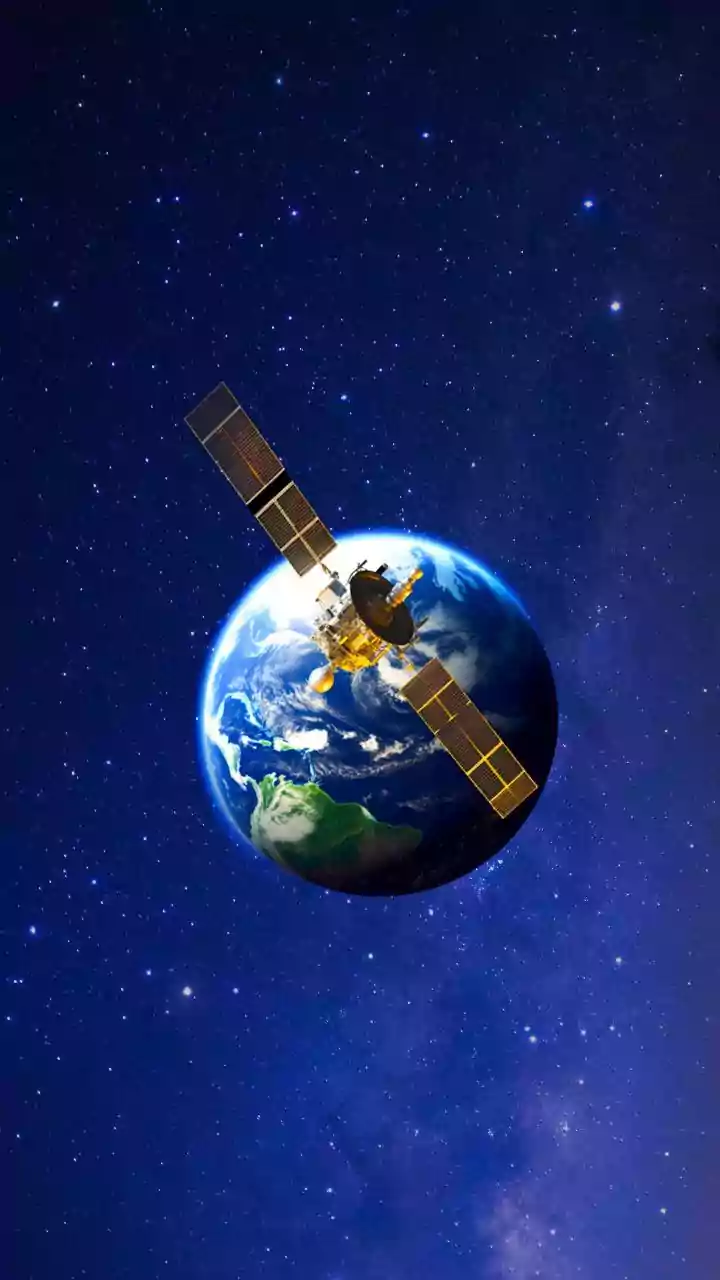
What does a 'classroom-to-orbit' project look like? It can range from developing a small component or payload to designing and building an entire satellite. Through its Student Satellite Programme, ISRO provides mentorship, technical guidance, and even critical materials to academic institutions. These are not just simulations. The Indian National Space Promotion and Authorisation Centre (IN-SPACe), the agency tasked with enabling private and academic participation in space, has already authorised numerous student projects. As of early 2026, 11 student-built satellites have been successfully launched. These projects, involving universities like the Indian Institute of Astrophysics and Amity University, allow students to work on everything from satellite design and fabrication to payload experiments, giving them invaluable real-world experience.
Catching Them Young with YUVIKA
To spark interest at an even earlier stage, ISRO runs the YUva VIgyani KAryakram (YUVIKA), or Young Scientist Programme. This initiative specifically targets Class 9 students, aiming to "catch them young" and introduce them to the fundamentals of space science and technology. The two-week residential programme is highly competitive, selecting students based on academic merit, quiz performance, and participation in science fairs. Selected students get to visit ISRO's cutting-edge facilities, interact with senior scientists, and participate in hands-on activities like model rocketry and robotic coding. The 2026 edition of YUVIKA saw over 100,000 applicants for a few hundred spots, demonstrating the immense excitement for space among India’s youth. The programme also has a special provision to ensure representation from rural areas, reinforcing the goal of making space accessible to all.
The Role of IN-SPACe and START
Facilitating this academic boom is IN-SPACe, which acts as the bridge between ISRO and non-governmental entities, including universities. It not only authorises student satellite launches but also organises competitions for model rocketry and CanSats (small, can-sized satellites) to foster practical skills. For university students, ISRO is also expanding programs like the Space science and Technology Awareness Training (START). START is an online training course for undergraduate and postgraduate students, designed to build a human resource pipeline in space science. Furthermore, ISRO offers structured internship and project trainee schemes, allowing students from B.Tech to PhD levels to work on specific projects within ISRO centres, though these are typically unpaid and highly competitive.
How to Get Involved
For students and educators inspired by these opportunities, the first step is to stay informed through official channels. ISRO's main website, along with the portals for IN-SPACe and the Jigyasa platform, are the primary sources for announcements on programs like YUVIKA and START. For university-level projects, the process typically involves the academic institution proposing a payload or a full satellite project to ISRO. The space agency provides guidelines for these proposals, which are then reviewed for feasibility and scientific value. While the path from a classroom idea to a satellite in orbit is challenging and requires immense dedication, ISRO's expanding framework is making that journey more achievable than ever for young Indians.