






The Speed of the Swipe vs. The Pace of the Kitchen
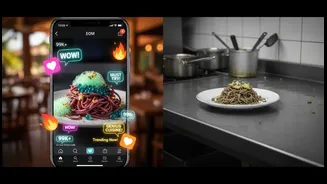
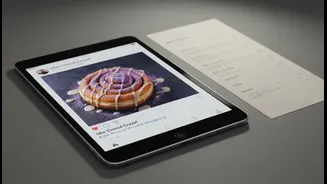
A food trend can explode on social media in a matter of hours. A single reel can rack up millions of views, creating instant, massive demand for a specific dish. For consumers, especially Gen Z, Instagram and TikTok are the primary tools for discovering
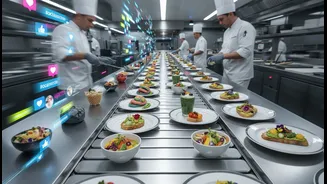
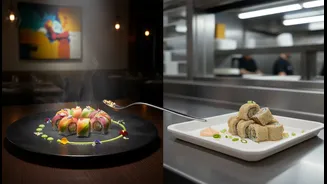
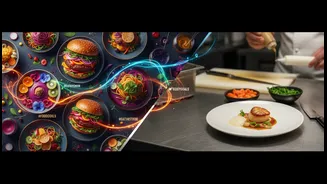
where and what to eat. This creates a powerful illusion: if something is popular online, it must be readily available. However, the reality of a professional kitchen operates on a completely different timeline. While a food blogger can create a dish once for the camera, a restaurant must be able to replicate it consistently, hundreds of times a week, at a profit.
From Viral to Viable: The Menu Engineering Hurdle
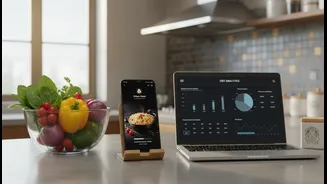
Adding a new item to a menu is a complex process known as menu engineering. It begins with costing every single ingredient, down to the last pinch of spice, to calculate the dish's food cost and potential profit margin. Restaurateurs aim for a target food cost, typically 25-35% of the menu price. This calculation determines if a trendy dish is financially viable or a loss-leader. A viral dish with expensive, hard-to-find, or imported ingredients might look great on screen but would have to be priced so high that it wouldn't sell, making it a 'Puzzle' in menu engineering terms — high profit, but low popularity. This financial rigour is essential for survival in a competitive industry with high overheads and fluctuating costs.
The Operational Gauntlet
Beyond cost, a new dish must navigate a series of operational hurdles. First is the supply chain. Can the restaurant reliably source the necessary ingredients in the required quantity and quality? A trend built on a niche ingredient can be a logistical nightmare. Next, the kitchen workflow must be considered. Does the new dish require special equipment that the kitchen doesn't have? Will its preparation slow down the entire service during a busy weekend rush? Staff must also be trained to prepare and serve the dish consistently. Each step, from sourcing to serving, can take weeks or even months to perfect. By the time a restaurant successfully integrates a new item, the initial viral interest may have completely disappeared.
The Risk of the Fleeting Fad
Jumping on every trend is a risky gamble. The lifecycle of a social media food trend is notoriously short and unpredictable. What's a sensation one week can be forgotten the next. Restaurants that invest heavily in a fleeting fad—buying ingredients in bulk, printing new menus, training staff—can be left with significant losses when the hype dies down. Many viral dishes are designed for visual impact rather than taste or practicality. They are 'Instagrammable' but may not deliver a satisfying dining experience worth repeating. For this reason, many established restaurants choose stability over chasing short-term buzz. They focus on their core offerings and brand identity rather than contorting their operations to fit a temporary online obsession.
How Restaurants Adapt and Find a Middle Ground
Smart restaurants are finding ways to bridge the gap without compromising their business. Some use limited-time offers (LTOs) or 'chef's specials' to test a trendy item without committing it to the permanent menu. This allows them to capitalize on the buzz, get customer feedback, and assess operational feasibility with minimal risk. Cloud kitchens and quick-service restaurants (QSRs), with their more agile operations, are often better positioned to react to trends quickly. They might use pre-prepared bases or simpler recipes to get a trend-inspired item to market faster. Ultimately, technology that allows for real-time menu updates across platforms like Zomato and Swiggy is becoming crucial, enabling restaurants to add or remove items based on ingredient availability and immediate demand.