




Before You Leave: A Thorough Vehicle Check
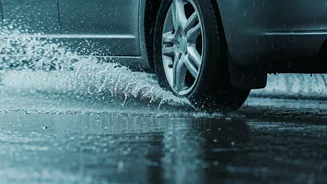
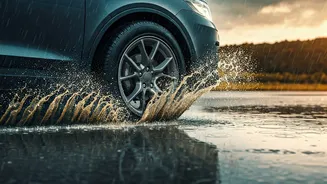
A pre-monsoon check-up for your car is non-negotiable. Pay special attention to your tyres, as worn-out treads significantly increase the risk of hydroplaning, where your car loses contact with the road. [10, 14] Ensure your tyres have adequate tread depth
and are properly inflated. [5, 14] Your brakes are your next critical checkpoint; wet roads can increase stopping distances by up to three times. [3, 11] Have them inspected and serviced if they feel spongy or make noise. [3, 5] Finally, check your wipers, lights, and defogger. [4, 8] Ensure your wipers clean the windshield without streaking and that all your lights—headlights, tail lights, and indicators—are fully functional for maximum visibility. [4, 10]
On the Road: Driving with Defensive Caution
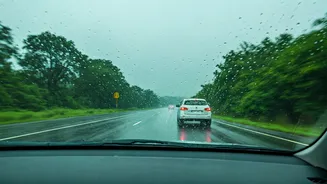
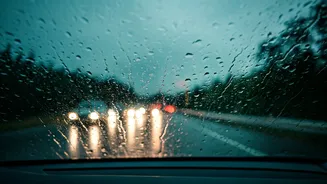
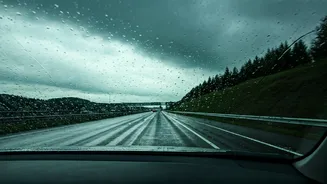
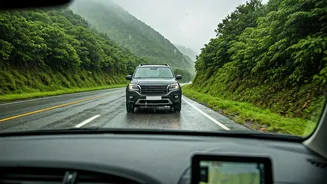
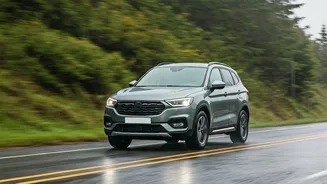
Once the rain starts, your driving style must adapt. The most important rule is to slow down. [2, 12] Speed limits are designed for ideal conditions, not heavy downpours. [10] Reducing your speed gives you more time to react and helps prevent skidding. [20] Double your following distance from the car in front to at least four to five seconds. [10, 11] Avoid sudden braking or sharp turns, as these can cause you to lose control on slippery surfaces. [12, 20] Be particularly wary of the first few minutes of rainfall, when oil residue on the road mixes with water, creating a dangerously slick surface. [14] Lastly, use your low-beam headlights to ensure other drivers can see you, but avoid high beams, which reflect off raindrops and worsen visibility. [10, 17]
Navigating Waterlogged Roads and Other Hazards
Waterlogged streets are a common and dangerous monsoon hazard. [13] If you encounter a flooded road, the safest option is to turn back and find another route. [18] Just six inches of water can be enough to cause you to lose control, and a foot can stall most engines. [18] If you must proceed, drive slowly in a low gear while keeping the engine revs high to create a bow wave and prevent water from entering the exhaust. [8, 11] However, never attempt to restart a car that has stalled in water, as this can lead to catastrophic engine damage known as hydrostatic lock. [17, 18] Be vigilant for hidden potholes and debris concealed by murky water. [2, 13] Listening to local news bulletins can help you stay informed about road closures and heavily flooded areas. [8]
Packing Your Monsoon Emergency Kit
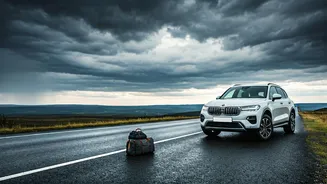
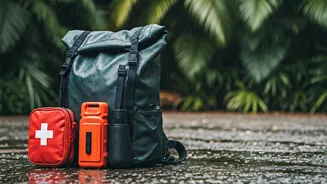
Getting stuck is a real possibility during monsoon journeys, so a well-stocked emergency kit is essential. [2, 6] Your kit should contain a comprehensive first-aid box with bandages, antiseptic wipes, and common medicines for cold and fever. [21, 25, 26] Pack non-perishable snacks like granola bars, along with ample drinking water. [25, 30] Include a powerful, waterproof flashlight with extra batteries, a car phone charger or power bank, and a tow rope. [6, 25] A blanket, a raincoat, and a change of clothes can be invaluable if you're stranded. [25, 27] It's also wise to keep physical maps or download offline maps, as mobile connectivity can be unreliable in remote areas during heavy rain.
Health and Hygiene on the Move
Monsoon travel isn't just about road safety; it's also about protecting your health. The humid weather creates a breeding ground for bacteria and viruses. [9, 19] To avoid water-borne diseases, drink only bottled, boiled, or purified water. [9, 19] Be cautious with food, and as tempting as it might be, avoid street food, which has a high risk of contamination. [26] Instead, opt for freshly cooked meals. [9] Carry a hand sanitiser and use it frequently, especially before eating. [9] To protect against mosquito-borne illnesses like dengue and malaria, use a good insect repellent and wear long-sleeved clothing, especially during the evening. [9, 23]