




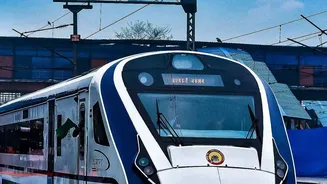
A viral travel video has put the spotlight on the new Vande Bharat sleeper, drawing fresh comparisons with the iconic Rajdhani Express. But what specific detail has everyone talking, and how does this new train truly stack up against the legend?
The Detail That Sparked Debate
In the
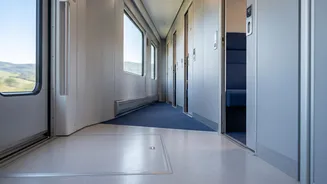
world of Indian train travel, even small changes can make a big impact. A recent travel video that gained significant traction online highlighted a seemingly minor but crucial design element of the new Vande Bharat sleeper trains: the entrance layout of the AC 3-tier coach. The video pointed out that the Vande Bharat design includes a sliding door and a vestibule-like space that separates the main aisle from the berths near the entrance. This is a notable departure from many conventional trains, including the Rajdhani, where passengers in side berths near the doors often face disturbances from constant movement and light. This thoughtful design tweak, aimed at reducing noise and improving comfort, became a symbol of the broader passenger-centric philosophy behind the Vande Bharat sleeper.
Rajdhani: The Enduring Gold Standard
For decades, the Rajdhani Express has been more than just a train; it's been the benchmark for premium, long-distance travel in India. Connecting the national capital with state capitals, these trains are renowned for their speed, priority on the network, and inclusive service, with meals and linen part of the ticket. The Rajdhani experience became synonymous with a certain level of comfort and prestige in railway travel. Its AC First, 2-Tier, and 3-Tier coaches have been the default standard against which all other premium trains have been measured. Any new entrant, especially one aiming to redefine overnight journeys, must inevitably face comparison with this storied fleet.
Enter Vande Bharat: A Technological Leap
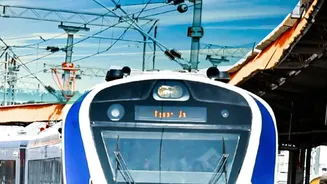
The Vande Bharat sleeper is not just an incremental update; it's a fundamentally different kind of train. Unlike the Rajdhani's locomotive-hauled coaches, the Vande Bharat is a self-propelled trainset. This means power is distributed under the coaches, enabling much faster acceleration and deceleration, which in turn reduces overall travel time. This design allows for a maximum operational speed of 160 kmph and smoother, jerk-free rides, a contrast to the experience on conventional trains. From an engineering perspective, with its aerodynamic profile and integrated design, the Vande Bharat represents a generational shift from the trains that came before it.
Creature Comforts: Beyond the Engine
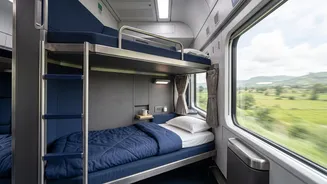
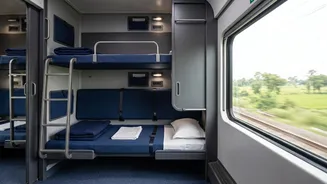
The real battle for passenger hearts is won inside the coaches. The Vande Bharat sleeper boasts a suite of features aimed at enhancing comfort. Berths are designed with better cushioning, and some videos even highlight plush additions to side panels for a cozier sleep. Another widely discussed upgrade is the redesigned ladder for accessing the upper and middle berths, engineered to be more user friendly. Furthermore, the train incorporates modern amenities like sensor based inter coach doors, advanced fire safety systems, ambient lighting, and bio vacuum toilets with touch free fittings. First AC passengers even get access to a hot shower, a luxury previously unheard of on Indian Railways.
The Verdict on the Tracks
So, is the Vande Bharat sleeper definitively 'better' than the Rajdhani? Technically, it is a superior product. It's faster, quieter, smoother, and packed with modern features designed for today's traveler. However, the Rajdhani's legacy is built on decades of reliable service and a vast network that the Vande Bharat is still in the process of matching. The viral video's focus on a single design detail—the coach entrance—perfectly illustrates the difference. While the Rajdhani has long been the standard for premium travel, the Vande Bharat sleeper demonstrates a meticulous, almost granular, focus on improving the passenger experience, right down to any smallest detail. It's not just about getting you there quickly; it's about making every part of any journey, from boarding to sleeping, better.