


Why Texture Is a Key Ingredient
Texture is often the unsung hero of a great dish. It's the difference between a boring, one-note meal and an exciting one. Think about the satisfying crunch of nuts in a salad, the creaminess of avocado on toast, or the chewy bite of perfectly cooked
pasta. When an ingredient is missing, first ask yourself what its textural role was. Was it providing a creamy base, a crunchy topping, or a tender bite? Identifying this function is the first step toward finding a successful replacement. For example, if a recipe calls for toasted breadcrumbs on a baked pasta to add crunch, and you have none, you could look for other crunchy items in your pantry, like crushed pretzels, potato chips, or even toasted nuts and seeds. The goal isn't always to find an exact match, but to replicate the sensation that the original ingredient was meant to provide.
The Underrated Power of Acidity
Acidity is the secret weapon of great cooks. If a dish tastes flat, bland, or overly rich, it often doesn't need more salt—it needs a hit of acid. Acidic ingredients like lemon juice, vinegar, yogurt, or even tomatoes have the power to brighten and enhance all the other flavors in a dish. They cut through richness, balance sweetness, and add a fresh, vibrant quality that makes food more dynamic. When substituting, consider if the original ingredient played an acidic role. For instance, buttermilk in a pancake recipe or a marinade isn't just there for liquid; its acidity reacts with leavening agents to create a light texture and adds a subtle tang. If you don't have buttermilk, you can mimic its effect by adding a tablespoon of lemon juice or white vinegar to regular milk and letting it sit for a few minutes.
Creamy and Bright: A Perfect Pair
Many rich, creamy ingredients are either naturally acidic or pair beautifully with an acidic component to create balance. Think about sour cream or Greek yogurt—they provide a luscious, creamy texture but also a distinct tanginess that prevents them from feeling heavy. This is why a dollop of sour cream on a rich, meaty chili or tzatziki sauce on a gyro works so well. The acidity cuts through the fat and resets your palate with each bite. When you need to substitute a creamy ingredient, remember this pairing. If you're out of sour cream for a dip, plain yogurt is a great swap because it brings both creaminess and tang. If you only have heavy cream, you might need to add a separate acidic element, like a squeeze of lemon juice or a dash of vinegar, to replicate the balance of the original recipe.
Crunch and Zing: Adding Life to Your Food
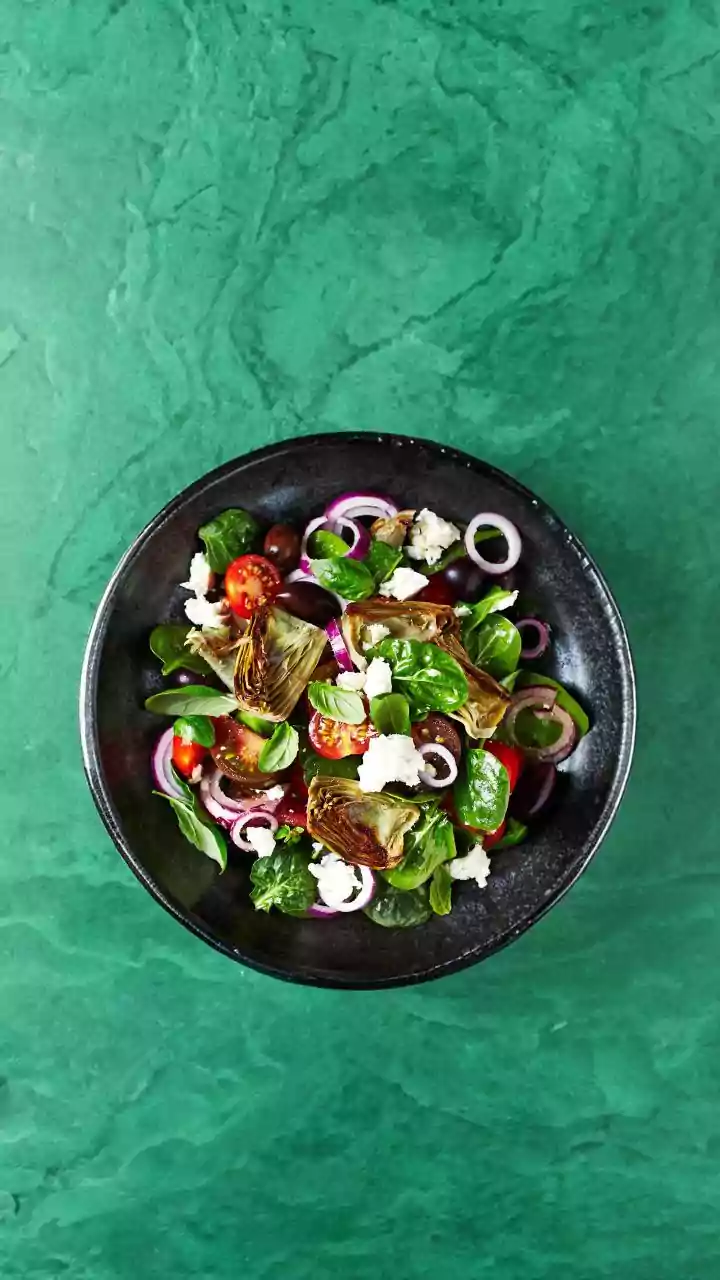
The combination of a crunchy texture with a sharp, acidic flavor is one of the most satisfying sensory experiences in food. It’s the principle behind why pickles are so essential on a rich sandwich, why a vinaigrette is crucial for a salad with crunchy vegetables, and why a squeeze of lime over fried calamari makes it taste so much better. The acid brightens, while the crunch adds physical excitement. When planning a substitution, look for ways to recreate this dynamic duo. If your taco recipe calls for a quick-pickled red onion that you don't have, you could get a similar effect from finely diced raw onion (for crunch and pungency) and a generous squeeze of lime juice (for acidity). Don't have capers to garnish a rich fish dish? Chopped green olives could provide a similar salty, acidic bite, and a sprinkle of toasted almonds could add the missing textural contrast.
Your New Substitution Strategy
Instead of searching for a one-to-one replacement, reframe the problem. The next time you're missing an ingredient, don't just ask, "What can I use instead of X?" Instead, ask a series of more strategic questions: What was the primary texture of this ingredient (creamy, crunchy, chewy, tender)? What was its primary flavor contribution (acidic, sweet, savory, rich)? How can I replicate both of those functions with what I have? For example, if a recipe for a grain bowl calls for feta cheese (which is crumbly, salty, and tangy), you might not have it. But you could achieve a similar effect with crumbled goat cheese (creamy and tangy) or even by using a salty cheese like Parmesan and adding a squeeze of lemon for the acidic element. Thinking in terms of texture and acidity empowers you to be a more creative and resourceful cook.