





Fix Your Drainage First
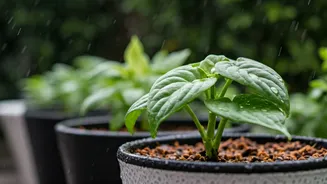
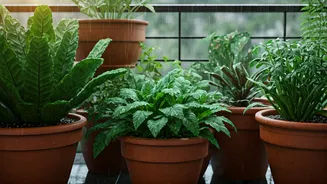
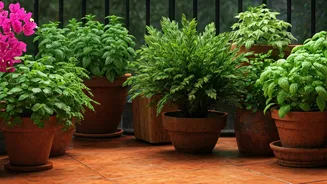
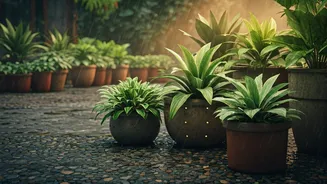
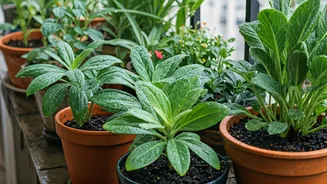
The single biggest threat to your plants during the monsoon is root rot caused by waterlogged soil. Before the rains even begin, ensure every pot has drainage holes. If your pots are on trays, empty them regularly. The most important hack is to create
a well-draining potting mix. A simple formula is one part garden soil, one part compost, and one part coarse sand or cocopeat (nariyal pith). This lighter mix allows excess water to flow through, preventing the roots from sitting in a puddle and suffocating.
Choose Monsoon-Loving Plants
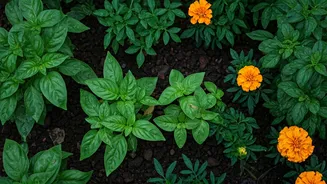
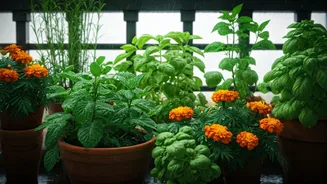
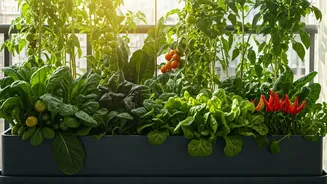
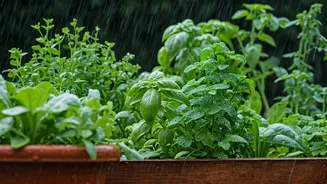
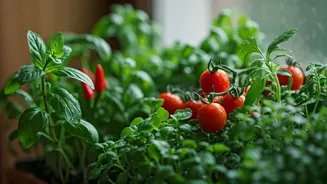
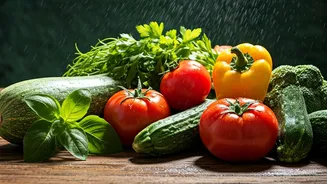
Not all plants enjoy a constant downpour. Instead of struggling with delicate varieties, embrace plants that flourish in high humidity and wet conditions. This is the perfect time to plant hibiscus, balsam (impatiens), jasmine (mogra), periwinkle (sadabahar), and colourful zinnias. If you have a vegetable patch, it's an excellent season for gourds, cucumbers, and beans. For herbs, mint and basil do well but may need some shelter from the heaviest rain. Choosing the right plants is half the battle won.
Rethink Your Watering Schedule
It seems obvious, but beginners often stick to a rigid watering routine even during the monsoon. This is a mistake. The cardinal rule is to always check the soil before you water. Poke your finger about an inch into the soil. If it feels damp, do not water. The rainwater and high humidity often provide more than enough moisture. Overwatering is the fastest way to kill a plant during this season. Your job shifts from 'watering' to 'moisture management'.
Declare War on Pests and Fungi
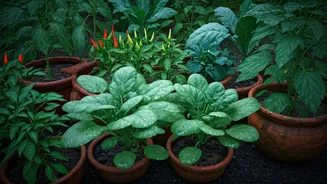
The damp, humid weather is a paradise for pests like slugs and snails, and for fungal diseases like powdery mildew. Your best defence is prevention. Ensure there is good air circulation around your plants; don't overcrowd them. Regularly remove any yellowing or dead leaves. As a preventive measure, spray your plants with a neem oil solution (a few drops of neem oil and liquid soap mixed in a litre of water) once every 10-15 days. This organic solution keeps most common pests and fungal spores at bay without harming your plants.
Provide Sturdy Support
Monsoon winds and the weight of rainwater can be brutal on your plants, especially tall or vining ones. Stems can snap and plants can be uprooted. Be proactive and provide support. For tall plants like tomatoes or flowering shrubs, insert a sturdy stake or bamboo stick into the pot and loosely tie the main stem to it. For creepers and climbers, ensure their trellis or support system is strong and secure. This simple step can save your beloved plants from physical damage during a storm.
Prune for Health and Growth
Pruning during the monsoon is crucial. It's not just about shaping your plant; it’s about its health. Trimming away dense foliage improves air circulation, which is vital for preventing fungal growth in a humid environment. It also encourages the plant to push out new, healthy growth. Snip off any diseased or pest-infested branches immediately to stop the problem from spreading. A good trim allows sunlight and air to reach the inner parts of the plant, keeping it robust.
Fertilise with Caution
While the monsoon is a growth season, heavy rains can quickly wash away nutrients from the soil, especially in pots. However, avoid over-fertilising. Too much fertiliser can burn the roots in moist soil. The best approach is to use a balanced, slow-release fertiliser at the beginning of the season. Alternatively, you can feed your plants with a diluted liquid fertiliser (like a compost tea or a balanced NPK) every 2-3 weeks. This provides a steady supply of nutrients without overwhelming the plant.