


Embrace the 'First In, First Out' Philosophy
The core of a 'use-first' strategy is borrowed from professional kitchens: 'First In, First Out', or FIFO. This simply means using the oldest items before the newest ones. For produce, this translates to eating the most perishable items first. When you
get your vegetable box or return from the market, take a few minutes to sort your haul. Instead of shoving everything into the crisper drawer, identify which items need to be eaten in the next couple of days and which can wait. This small investment of time prevents food waste and financial loss. By building your meal plan around what needs to be used, you ensure everything stays fresh and flavourful.
Tier 1: The Delicate Items to Use First
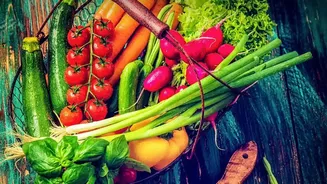
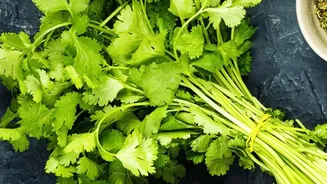
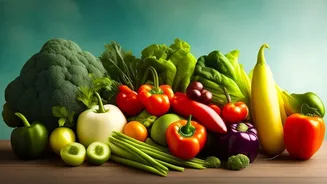
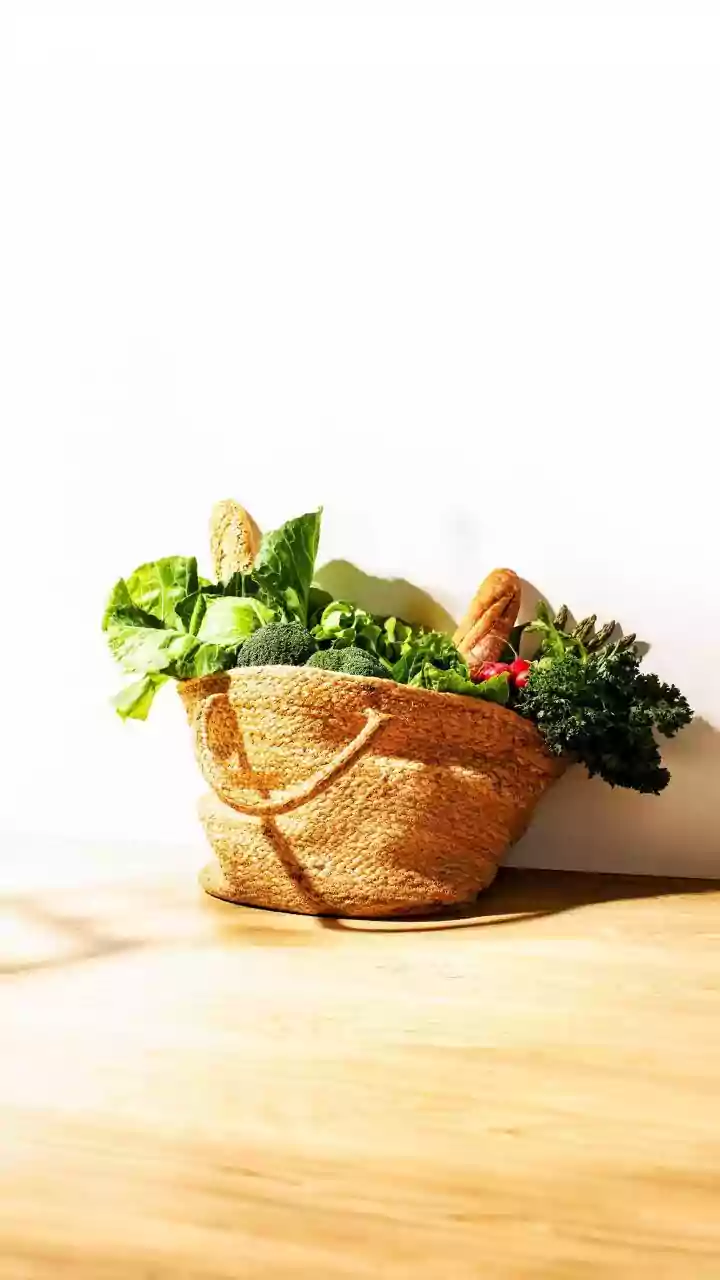
Delicate vegetables have the shortest shelf life and should be your top priority. This category includes most leafy greens like spinach, rocket, and lettuce, as well as fresh herbs like basil and cilantro. Asparagus, mushrooms, green beans, and sweetcorn also fall into this group, as they lose their sweetness and texture quickly. Plan to use these items within two to four days of purchase. Simple preparations are key: think big salads, quick sautés, or adding handfuls of greens to omelettes, pastas, or smoothies. Storing them properly helps extend their life; for instance, wrap leafy greens in a dry paper towel and place them in an airtight container. Store mushrooms in a paper bag, not plastic.
Tier 2: The Mid-Week Workhorses
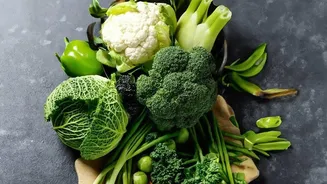
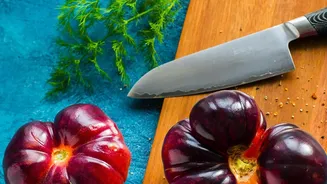
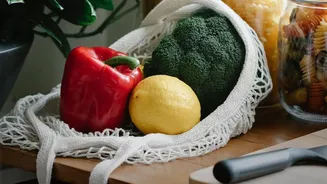
These are your semi-sturdy vegetables that offer more flexibility. This tier includes cruciferous vegetables like broccoli and cauliflower, as well as bell peppers, zucchini, eggplant, and cucumbers. While more robust than leafy greens, they should ideally be consumed within four to seven days for the best quality. These vegetables are perfect for mid-week meals. Think roasted broccoli and cauliflower as a side dish, bell peppers and zucchini in a stir-fry, or eggplant in a curry. Proper storage is still important. For example, some experts recommend keeping cucumbers out of the fridge, as cold temperatures can make them rot faster, while others suggest refrigeration helps them last. It often depends on the type of cucumber.
Tier 3: The Long-Haul Heroes
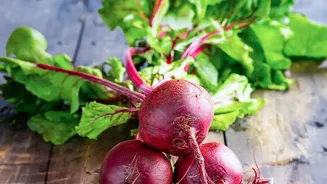
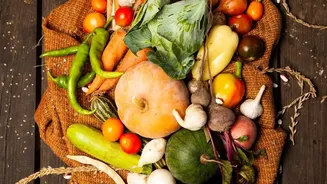
This group consists of sturdy, long-lasting produce that forms the backbone of your later-in-the-week meals. Root vegetables like potatoes, carrots, and beets, along with onions, garlic, and hard winter squashes, can last for weeks or even months if stored correctly. These vegetables are less demanding and give you plenty of time to use them. Store potatoes, onions, and garlic in a cool, dark, and dry place like a pantry, not the refrigerator. Carrots and beets are best kept in the crisper drawer. Use these for hearty end-of-week dishes like soups, stews, and roasts, ensuring no part of your produce box goes to waste.
Build a Flexible Meal Plan
With your produce sorted into tiers, you can build a flexible meal plan. This isn't about rigidly scripting every meal, but about creating a loose structure. Start by pencilling in meals that use your Tier 1 vegetables for the first few days. Then, schedule dishes featuring Tier 2 vegetables for the middle of the week. Your Tier 3 vegetables can fill in the gaps towards the end of the week or be used as foundational ingredients anytime. Think of it as a template: a salad with fresh greens on Monday, a broccoli stir-fry on Wednesday, and a hearty potato and carrot soup on Friday. This approach adapts to your schedule and takes the daily guesswork out of what to cook.