


More Than Just a Fruit Stand
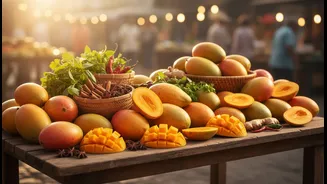
The quintessential summer experience of buying mangoes is evolving. Traditionally a transaction at a local market, the modern mango festival transforms it into a vibrant, multi-sensory event. Cities like Delhi, Pinjore, and Lucknow host large-scale festivals
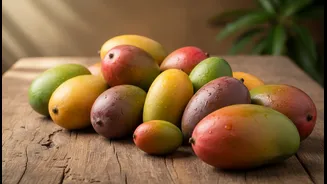
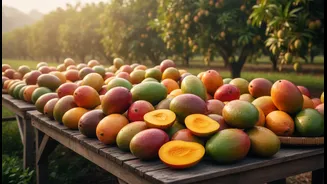
that have become annual cultural highlights. These gatherings are not just about selling fruit; they are elaborate celebrations featuring hundreds of mango varieties, tasting sessions, cooking demonstrations by renowned chefs, and cultural performances. Visitors can do more than just buy mangoes; they can participate in mango eating competitions, learn about the fruit through quizzes, and even take home saplings to grow their own trees. This shift from a simple purchase to an immersive experience marks a significant change in how we engage with this beloved fruit.
A Lifeline for Lost and Rare Varieties
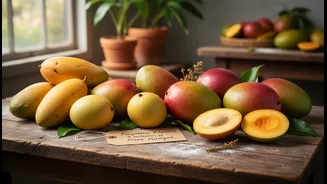
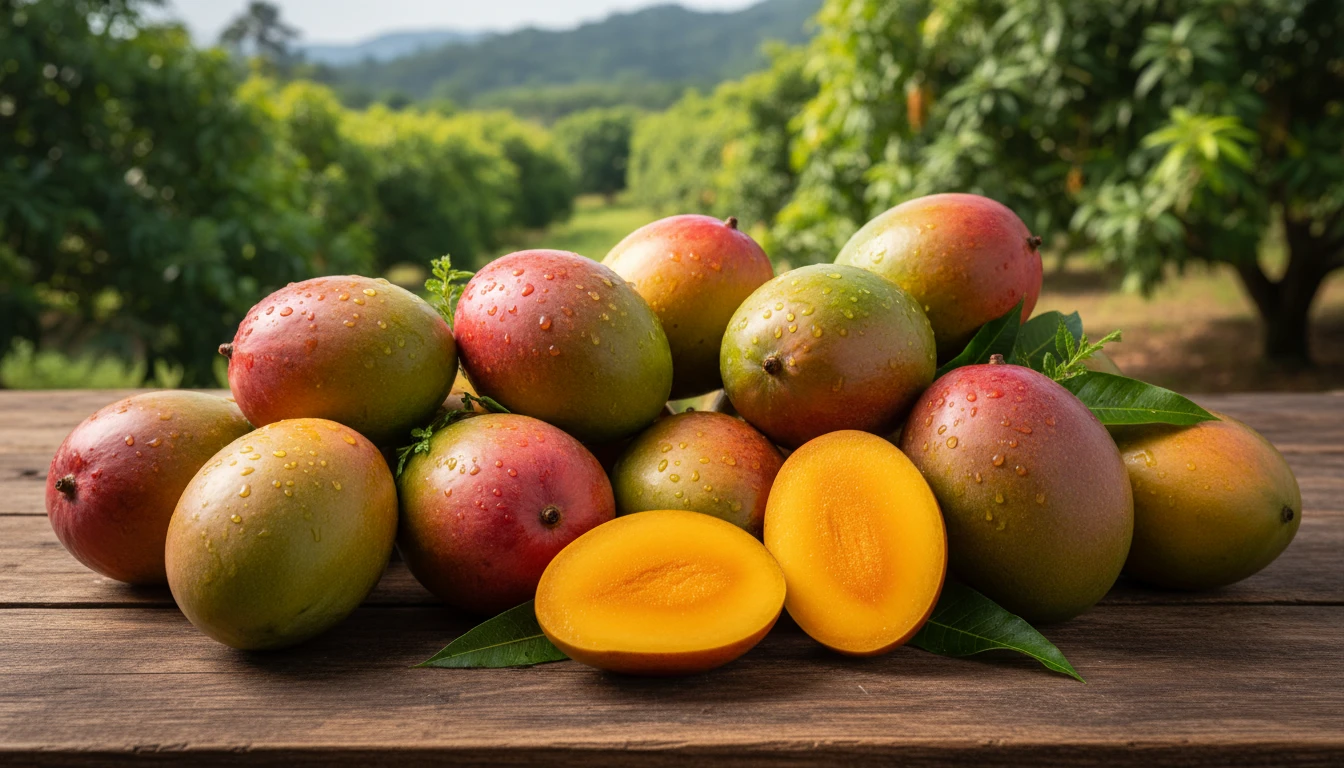
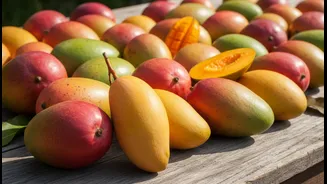
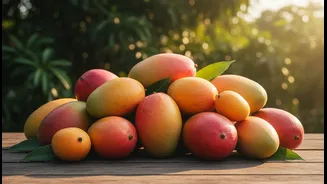
Beneath the festive surface, these events serve a critical conservation purpose. For decades, commercial cultivation has favoured a handful of popular varieties like Alphonso, Kesar, and Dasheri, pushing hundreds of indigenous types towards extinction. Mango festivals provide a crucial platform for farmers who act as custodians of these rare, heirloom varieties. In places like Kannapuram in Kerala, a village has been recognized as a Mango Heritage Area for conserving over 100 local varieties through community effort. Festivals create a direct market for these non-commercial mangoes, giving farmers a financial incentive to continue cultivating them. When visitors at a festival in Pune are introduced to 330 indigenous varieties from across Maharashtra, it raises awareness and creates demand, ensuring these unique fruits aren't lost to history.
The New Summer Ritual: Agri-Tourism
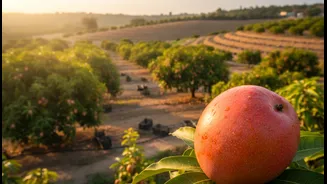
Alongside urban festivals, a parallel trend of mango-centric agri-tourism is booming. Farms in regions like Ratnagiri and the Konkan coast are opening their gates to visitors, offering a different kind of summer ritual. Families can spend a weekend at a farmstay, pluck fruit directly from the trees, and learn about organic farming practices firsthand. These experiences, like those offered at Hanu Reddy Raghava Farms, bridge the gap between urban consumers and rural producers, fostering a deeper appreciation for the food we eat. This movement inspires farmers to sell not just their produce, but an entire experience, creating a new, sustainable source of income while redefining the family summer outing.
Connecting Consumers, Growers, and Heritage
Ultimately, the greatest impact of these festivals is the connection they forge. By bringing growers and consumers face-to-face, they eliminate middlemen and build relationships. This direct interaction educates consumers about the diversity and rich history of Indian mangoes, including the importance of Geographical Indication (GI) tags. A GI tag for a Banarasi Langda or Gir Kesar is not just a label; it's a guarantee of authenticity, quality, and a connection to a specific place and heritage. As festivals showcase these GI-tagged mangoes and other rare varieties, they empower consumers to make informed choices. This strengthens local economies and helps preserve the agricultural biodiversity that makes India's mango culture so rich and varied.