




The Seduction of the Quick-Fix Bottle
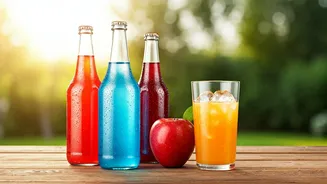
Walk into any supermarket or café, and you're met with an entire wall of wellness. There are vitamin-infused waters promising immunity, charcoal lemonades for 'detoxing', and kombuchas for gut health. The marketing is brilliant, preying on our desire
for a simple solution to complex health goals. These drinks feel like a shortcut—a convenient, tasty way to 'be healthy' without having to, say, eat a salad. They are packaged as an aspirational lifestyle choice, a status symbol that says you are invested in your well-being. But this convenience often comes with a hidden cost, not just to your wallet but potentially to your health goals as well.
The Hydration Showdown: Water vs. The Rest
The primary goal of drinking any fluid is hydration. Our bodies are about 60% water, and every single system depends on it. Water is the undisputed champion of hydration. It's absorbed efficiently, has zero calories, and performs its duties without any added baggage. Many trendy health drinks, however, can be counterproductive. Beverages high in sugar require extra water for your body to metabolise them, potentially leading to a net loss in hydration. Caffeinated 'energy' drinks can act as diuretics, causing you to lose more fluid. While electrolyte drinks have their place for professional athletes after intense, prolonged sweating, for the average person having a mildly active day, they are often just sugary overkill. Plain water, consumed regularly, is all your body needs to stay perfectly hydrated.
Deconstructing the 'Health' Claims
Let's look closer at the labels. Those 'vitamin waters'? They often contain synthetic vitamins that your body may not absorb as efficiently as those from whole foods. Plus, the amount of vitamins added is sometimes negligible, or they are vitamins we already get plenty of. Cold-pressed juices are another popular choice. While they contain vitamins from fruits, the juicing process strips away almost all the beneficial fibre. Without fibre, you’re essentially drinking sugar water that can spike your blood sugar levels. A whole apple is always better than apple juice. As for kombucha, while fermented foods can be good for gut health, commercial versions are often pasteurised (killing the good bacteria) and loaded with added sugar to make them more palatable.
The Unseen Enemy: Sugar and Empty Calories
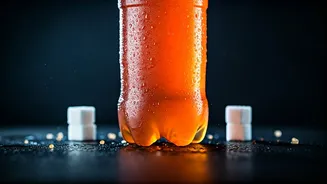
This is the biggest issue with most commercial health drinks. You might think you're making a healthy choice, but many of these beverages contain as much, if not more, sugar than a can of cola. A small bottle of a popular fruit-based 'health' drink can easily pack 20-40 grams of sugar. This not only adds hundreds of empty calories to your daily intake but also contributes to inflammation, weight gain, and an increased risk of chronic diseases. Water, on the other hand, contains zero sugar and zero calories. It’s the perfect drink for weight management, clear skin, and overall metabolic health. Switching from one sugary drink a day to water can save you over 1000 calories a week.
Why 'Safe' Water is the Key
The headline specifies 'safe' water, and this is a crucial point, particularly in India. Not all tap water is safe to drink directly. Investing in a reliable water filter, boiling your water, or using trusted sources is non-negotiable. This one-time or recurring investment is still far more cost-effective and healthier than a daily habit of buying bottled trendy drinks. Once you have a source of safe, clean water, you have the ultimate health beverage at your disposal. You can even make your own 'fancy' water by infusing it with slices of lemon, cucumber, mint, or ginger for a hint of flavour and added natural benefits without the sugar.