



Why High Humidity Is a Problem
Excess moisture in the air does more than make you feel sticky and lethargic. It creates the perfect breeding ground for mould, mildew, and dust mites. This can trigger allergies, worsen asthma symptoms, and lead to other respiratory issues. Over time,
high humidity can also cause significant damage to your home and belongings, causing wood to warp, paint to peel, and electronics to fail. That musty smell you notice in wardrobes and closed rooms is often the first sign of a moisture problem that needs to be addressed.
Improve Ventilation Without Opening Windows
Good airflow is your first line of defence against trapped moisture. Even if you can't open windows, you can still improve ventilation. Make it a habit to run exhaust fans in the kitchen while cooking and in the bathroom after a shower for at least 15-20 minutes. This pulls steam and humid air directly out of the house. Inside your home, keep interior doors open to encourage air circulation between rooms. Occasionally opening wardrobe doors can also help prevent clothes from developing that tell-tale damp scent.
Use Your Appliances Strategically
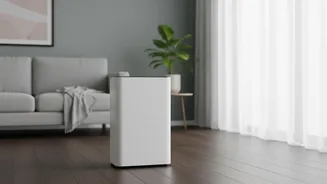
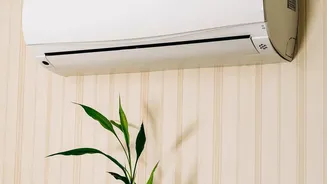
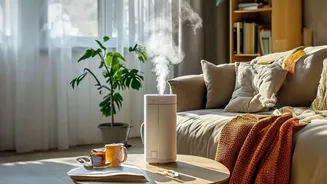
Your air conditioner is a powerful dehumidifying tool. Running it even for a short period can pull a surprising amount of moisture from the air. Many modern ACs have a dedicated 'Dry Mode', often marked with a water droplet icon, which is designed specifically for this purpose. For persistent dampness, especially in basements or poorly ventilated rooms, a dedicated dehumidifier is the most effective solution. These devices are designed to pull water from the air, maintaining an ideal indoor humidity level of between 40% and 60%.
Affordable and Natural Solutions
You don't always need an appliance to fight humidity. Several household items can act as natural moisture absorbers. Placing bowls of rock salt or uncooked rice in damp corners, cupboards, or wardrobes can effectively draw moisture from the air. Charcoal briquettes also work well for this purpose. For a fresh scent, you can add a few drops of essential oil to a bag of rice. While these DIY methods are not as powerful as a machine, they can make a noticeable difference in small, enclosed spaces.
Adopt Smart Household Habits
Small changes in your daily routine can have a big impact on indoor humidity levels. If you must dry clothes indoors, ensure they are spaced out on the drying rack and, if possible, run a fan nearby to aid circulation. Never store clothes that are even slightly damp. Wipe down wet surfaces immediately, from kitchen counters to condensation on windows. Regularly check for and repair any leaks in plumbing or around windows and doors, as these can be major sources of unwanted moisture.
Protect Your Wardrobes and Belongings
Wardrobes are particularly prone to mould and mildew during the monsoon. To protect your clothes and accessories, avoid packing them too tightly, as this restricts airflow. Placing silica gel packets, which often come with new shoes or electronics, inside your cupboards can help absorb moisture. For an extra layer of protection, consider installing a low-wattage bulb inside your wardrobe to generate a small amount of warmth, making the environment less hospitable for mould. Keeping furniture a few inches away from walls also improves air circulation and prevents moisture from getting trapped.