


Beyond the Bin
Scroll through Instagram or YouTube, and you'll find a quiet revolution brewing in Indian kitchens. It’s called scrap cooking, a cornerstone of the zero-waste movement that has blossomed into a full-blown viral challenge. The premise is simple but powerful:
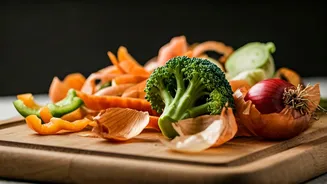
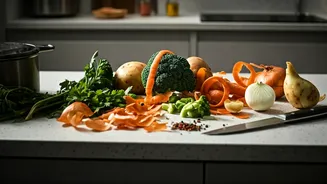
use every part of your produce. From the tough stems of coriander to the vibrant peels of a carrot, young cooks are challenging the very definition of kitchen waste. This isn't just about being frugal; it's a creative statement. They are showcasing how overlooked parts of vegetables and fruits can be transformed into chutneys, stocks, crisps, and even main courses. The challenge has caught fire, fuelled by a desire for sustainability and a renewed interest in mindful consumption. It’s less about a rigid set of rules and more about a mindset shift—seeing potential where others see trash.
From Scrap to Star Dish
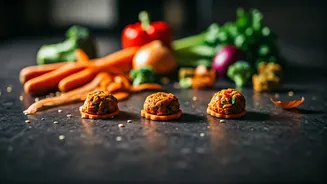
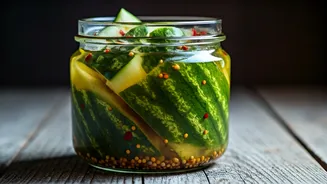
The creativity on display is astounding. Potato peels, once destined for the compost, are being air-fried with a sprinkle of chaat masala to create crunchy, addictive crisps. The fibrous stems of broccoli and cauliflower, often discarded, are being turned into flavourful sabzis or blended into hearty soups. Watermelon rinds are being pickled into a sweet and tangy condiment reminiscent of traditional preserves. Even something as humble as onion peels are being used to create a deeply coloured and flavourful broth, forming the base for complex soups and curries. Influencers and everyday cooks alike share their experiments with hashtags like #ZeroWasteKitchen and #ScrapCooking, providing step-by-step videos that demystify the process. The results are not just edible; they are often beautiful, inventive, and genuinely delicious, proving that value exists in every part of the plant.
A Modern Twist on Old Wisdom
While the trend feels modern and digital-first, its roots run deep in Indian culture. For generations, our grandmothers and their mothers before them practised this philosophy out of necessity and respect for food. Nothing was wasted. The concept of ‘jugaad’ in the kitchen has always been about resourcefulness. Think of the way leftover rice is transformed into crispy vadas or how vegetable peels are used to make traditional thorans and chutneys in South Indian homes. This new viral movement is essentially a rediscovery of that ancestral wisdom, repackaged for a new generation. Young cooks are using modern tools like air fryers and blenders and global flavours to give these age-old practices a contemporary appeal, bridging the gap between tradition and trend.
Why This Challenge Matters
The appeal of the zero-waste scrap cooking challenge goes far beyond a pretty Instagram post. Firstly, it has a tangible environmental impact. Food waste is a massive global problem, and a significant portion of it happens at the household level. By using scraps, these home cooks are directly reducing the amount of food that ends up in landfills, where it would otherwise decompose and release harmful methane gas. Secondly, it makes economic sense. Getting the most out of every single vegetable you buy means your grocery budget stretches further. Finally, it encourages a healthier, more holistic relationship with food. It pushes you to learn more about your ingredients, appreciate them fully, and become a more intuitive and creative cook.
How to Start Your Scrap-Cooking Journey
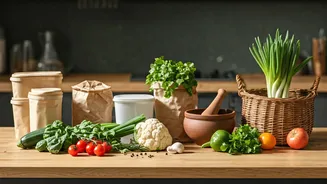
Intrigued? Getting started is easier than you think. Begin with clean, organic produce if possible, as you'll be consuming the outer layers. Start simple. Save clean vegetable peels and ends (like carrot tops, onion skins, celery bottoms) in a bag in your freezer. Once you have a good amount, simmer them in water to create a flavourful vegetable stock. Coriander and parsley stems can be finely chopped and added to dals, sabzis, or blended into a vibrant green chutney. Citrus peels can be candied or used to infuse oils and vinegars. The key is to start small, experiment without fear, and look at your kitchen scraps not as waste, but as an invitation to innovate.