




Start with the Right Foundation
Before you even begin braiding, setting up your hair for success is crucial. A fishtail braid holds best on hair that isn't freshly washed and slippery. If your hair is too soft, the sections are more likely to slide apart. A light mist of a texturizing
spray or a bit of dry shampoo can provide the necessary grip for the braid to hold its shape. This initial step creates a foundation that prevents the braid from loosening from the inside out, making the final securement at the end much more effective. For those with naturally textured hair, your hair's inherent grip is an advantage, but ensuring it's well-moisturized will prevent frizz from forming throughout the day.
Choose Your Weapon: The Right Elastic
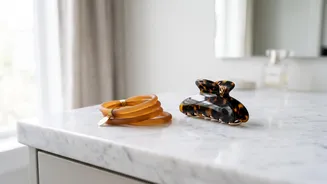
Not all hair ties are created equal, especially when it comes to finishing a delicate braid. The goal is a secure hold without bulk or damage. Small, clear silicone or polyband elastics are often the top choice for a discreet finish that blends into the hair. For those with thicker hair, wider ties made from hosiery material or specialized 'no-slip' elastics can provide a stronger hold without snapping. If hair health is your top priority, consider silk or satin scrunchies; their smooth surface glides over the hair, minimizing friction and reducing the risk of breakage. Avoid elastics with metal clasps, as these are notorious for snagging and breaking delicate strands.
The Art of the Tie-Off
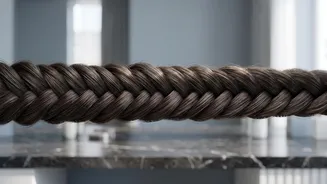
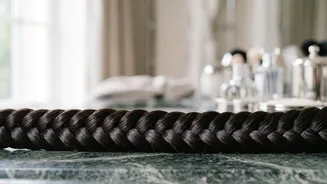
How you apply the elastic is just as important as which one you choose. To secure the end of your fishtail braid, ensure you've braided as far down as possible, leaving only a small tail. When wrapping the elastic, loop it enough times to be snug but not so tight that it puts excessive tension on the hair, which can lead to breakage. One common mistake is leaving too much loose hair at the end, which gives the braid a chance to unravel from the bottom up. A tighter, more compact braid will always last longer than a loose one. After securing, you can gently pull at the edges of the braid—a technique known as 'pancaking'—to create a fuller, more voluminous look without compromising the security at the end.
The Invisible Finish: Hide the Elastic
For a truly polished and professional-looking fishtail, hiding the elastic is a game-changing final step. The most common method is to take a small strand of hair from the loose tail and wrap it around the elastic until it's completely covered. Secure the end of this wrapped strand by tucking it into the elastic itself or by using a bobby pin that matches your hair color, inserted from underneath. Another popular trick involves using a 'topsy-tail' tool. After securing the braid, you can flip the tail through the hair just above the elastic, which effectively conceals the band and adds a small, elegant twist to the finish.
Lock It In with Finishing Products
Once your braid is tied off and looking perfect, the final step is to set it with the right product. A light misting of a flexible-hold hairspray will help tame any flyaways and lock the style in place without making it stiff or crunchy. Look for sprays that offer humidity resistance to prevent frizz, especially on busy days or in damp weather. For added shine and to keep the hair looking healthy, a braid sheen spray or a small amount of anti-frizz serum can be smoothed over the surface of the braid. Apply it to your fingertips first and then lightly run your hands over the braid to avoid applying too much product, which can weigh the hair down.