






Seal Windows with Insulating Film
One of the primary sources of moisture and temperature change in a room is the windows. For renters, window insulation film is an effective and completely reversible solution. This thin plastic sheeting is applied to the interior window frame with double-sided
tape. Once in place, you use a hairdryer to shrink the film, which creates a taut, airtight seal over the glass. This traps a layer of air between the film and the window pane, acting as an insulator. It prevents condensation from forming on the glass, a common cause of dampness and mould on sills, while also helping to regulate indoor temperature. When it's time to move out, the film and tape can be peeled off without causing damage.
Block Drafts with Removable Weather Stripping
Gaps around doors and windows are another major entry point for damp, humid air. Removable weather stripping offers a simple and affordable fix. These products come in various forms, including self-adhesive foam tape, V-strips, and flexible rope caulk. Foam tape is easy to apply: just cut it to size and press it into place along the window sash or door frame to create a tight seal. V-strips, also known as tension seals, are great for the sides of double-hung windows and are highly effective. For irregular gaps, mouldable rope caulk can be pressed into crevices and removed cleanly later. These options are designed to be temporary and shouldn't damage paint or surfaces when removed carefully.
Upgrade Surfaces with Peel-and-Stick Tiles
Bathrooms and kitchens are high-moisture zones. While you can't re-tile a rental, you can add a protective, waterproof layer with peel-and-stick tiles. Modern versions are made from durable vinyl and are designed to be water-resistant, making them ideal for backsplashes or even floors in some cases. They are self-adhesive and can be applied over existing smooth, clean surfaces like ceramic tiles. This not only adds a decorative touch but also creates an additional barrier that prevents water from seeping into grout lines or walls. Many brands are specifically marketed as renter-friendly and are engineered for clean removal, though it's always wise to test on a small, inconspicuous area first.
Invest in a Smart Dehumidifier
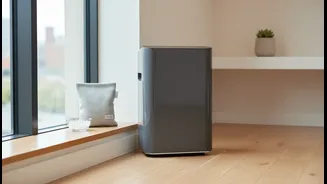
For pervasive humidity, especially during monsoon season in India, an electronic dehumidifier is the most powerful tool. These appliances actively pull moisture from the air, collecting it as water in a tank. Modern "smart" dehumidifiers offer features like app control, allowing you to monitor and adjust humidity levels remotely. Many models also have an auto-shutoff feature to prevent overflows and a clothes-drying mode to help with indoor laundry. While a dehumidifier is an investment, it provides a significant improvement in air quality, prevents mould growth, and protects furniture and electronics from moisture damage. Look for a model with a suitable capacity for your room size.
Use Strategic Moisture Absorbers
For smaller, enclosed spaces like wardrobes, closets, and under-sink cabinets, passive moisture absorbers are an excellent choice. These products, often containing calcium chloride or silica gel, attract and trap excess moisture from the air. They come in various formats, including hanging bags for closets, and small tubs or sachets for drawers and shelves. As the product absorbs humidity, the crystals either turn into a gel or collect water in a lower chamber, giving you a clear visual indicator of when it's time for a replacement. These are affordable, require no electricity, and are effective at preventing the musty smells and mildew that can ruin clothes and stored items.