



A Cultural Shift to Dining Out
Traditionally, festival food was a purely domestic affair, with families spending days preparing elaborate meals at home. Today, that is changing rapidly. A combination of urbanisation, nuclear families, and dual-income households means fewer people have
the time for such extensive preparations. Yet, the desire to celebrate with traditional, high-quality food remains. Restaurants are stepping in to fill this gap, offering the taste of a home-cooked festival meal without the labour. This shift is not just about convenience; it’s about aspiration. Dining out or ordering a specially curated festive meal has become a new way of celebrating, allowing families to focus on togetherness rather than spending hours in the kitchen. As a result, restaurants are seeing a significant spike in footfall and delivery orders, with some reporting sales increases of 30-40% during peak festive periods.
Selling an Experience, Not Just a Meal
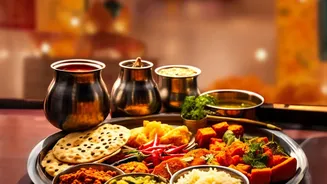
The most successful restaurants understand they are not merely selling food; they are selling a complete festive experience. This involves transforming their spaces with themed decorations, playing festive music, and sometimes even hosting live events like Garba nights or musical performances. This strategy turns a simple meal into a memorable occasion, justifying premium pricing and encouraging patrons to spend more. By creating an immersive atmosphere, restaurants position themselves as cultural hubs and the default destination for celebrations. This experience-driven approach is highly appealing to modern consumers who are increasingly willing to pay for novelty, ambience, and an escape from the everyday.
The Power of the Special Menu
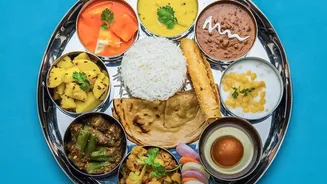
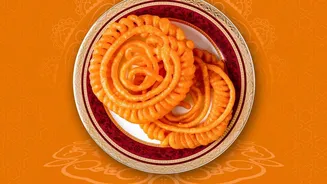
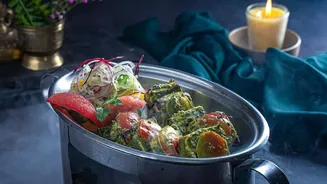
At the heart of this trend is the limited-time festive menu. Whether it's a sattvic thali for Navratri, an elaborate sadya for Onam, or a rich plum cake for Christmas, these special menus are a powerful marketing tool. They create a sense of urgency and exclusivity, encouraging customers to visit before the opportunity is gone. These menus are often designed to be highly photogenic, making them perfect for sharing on social media platforms like Instagram. A visually appealing 'Diwali Thali' or an 'Iftar Platter' can generate significant user-generated content, effectively turning customers into brand ambassadors and creating organic buzz. This digital word-of-mouth is invaluable, reaching a local audience with authentic recommendations.
Beyond the Big Festivals
While major festivals like Diwali, Eid, and Christmas are the cornerstones of this strategy, savvy restaurateurs are expanding their focus. Regional harvest festivals, New Year's celebrations, and even secular events like the IPL cricket season are being treated as opportunities for special promotions. This approach provides a more consistent stream of revenue throughout the year, moving beyond just a few major spikes. By catering to a wider array of cultural moments, restaurants can engage different segments of their community and build a reputation for being festive and innovative year-round. It's a strategy that acknowledges India's diverse cultural calendar as a continuous marketing opportunity.
Cloud Kitchens and Delivery Join the Feast
The festive boom is not limited to dine-in establishments. Cloud kitchens and delivery platforms have become crucial players. These delivery-only kitchens are perfectly positioned to cater to families and groups who want to celebrate at home without cooking. They offer festive meal boxes, family combos, and catering services that are just a few clicks away. During festive rushes, convenience is paramount, and the growth of quick commerce platforms further enables restaurants to meet last-minute demand for sweets, snacks, and full meals. This robust delivery ecosystem ensures that restaurants can maximize their reach and revenue, serving customers far beyond their physical location.