







A Game-Changing Travel Policy
For years, a trip to Thailand involved a visa application process that, while not overly complicated, required planning. That barrier has been temporarily lifted. The Thai government, in a bid to revitalise its tourism economy, has granted visa-exemption
to Indian passport holders. Initially launched for a six-month period, the popular scheme has been extended, currently running until November 2024. This allows Indian citizens to enter Thailand for tourism and stay for up to 30 days without needing a visa beforehand. This policy shift has fundamentally changed the calculus for Indian travellers, turning a multi-week planning process into a spur-of-the-moment decision.
The Rise of the Impromptu Getaway
The effect of the visa waiver was immediate and dramatic. Indian travel platforms reported a massive surge—some as high as 40-50%—in flight and hotel searches for Thailand almost overnight. The biggest shift has been in booking windows. Where travellers once planned their Thai holidays months in advance, many are now booking just weeks or even days before departure. This new breed of spontaneous tourist is typically younger—millennials and Gen Z professionals, couples, and groups of friends—who have the flexibility to act on a good travel deal. The removal of the visa 'chore' makes it easy to say 'yes' to a long weekend trip to Phuket or a quick city break in Bangkok.
Beyond Bangkok: Beach Bliss Awaits
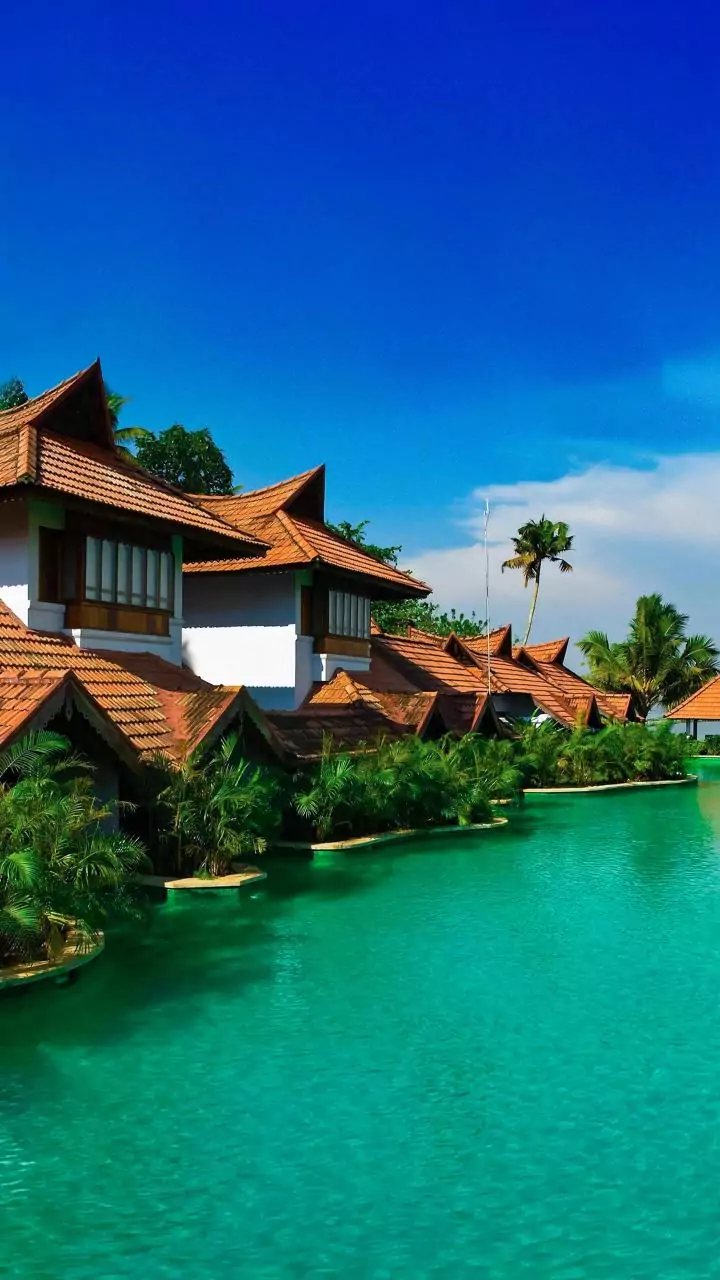
While Bangkok remains a popular entry point, the real beneficiaries of this spontaneous travel boom are Thailand’s iconic beach destinations. The allure of turquoise waters and white sand is powerful, and with direct flights from major Indian cities to places like Phuket, the beach is closer than ever. Destinations like Krabi, with its stunning limestone karsts, and the islands of Koh Samui and Koh Phi Phi are seeing a fresh wave of Indian visitors. These locations are perfectly set up for short, rejuvenating trips, offering a mix of relaxation, water sports, vibrant nightlife, and world-class cuisine that can be enjoyed without a rigid, pre-planned itinerary.
What 'Visa-Free' Practically Means
While you no longer need to apply for a visa, 'visa-free' doesn't mean you can just show up with your passport. To ensure a smooth entry, Indian travellers should be prepared. You will need a passport with at least six months of validity from your date of entry. Immigration officials may also ask for proof of a confirmed return or onward flight ticket within the 30-day period. It's also wise to have proof of accommodation, such as a hotel booking confirmation, for at least the first few nights. Though not always checked, immigration authorities have the right to ask for proof of sufficient funds for your stay (typically around 20,000 THB per person). Having these documents ready will make your arrival seamless.
Making the Most of Your Spontaneous Trip
The key to a great spontaneous trip is embracing flexibility. While last-minute flights can sometimes be pricey, using flight comparison websites and being flexible with your travel dates by a day or two can yield significant savings. For accommodation, you don't need to book your entire stay in advance. Book your first couple of nights and then explore your options once you're there; you might discover a charming boutique hotel or a beachfront bungalow that wasn't listed online. This approach not only saves you from over-planning but also opens you up to the kind of unexpected adventures that make spontaneous travel so memorable.