








A Generation Seeking Respite
India's millennials are arguably the most professionally driven and digitally connected generation yet. They navigate high-pressure careers, endless social media scrolls, and the persistent hum of notifications. This constant state of being 'on' has led
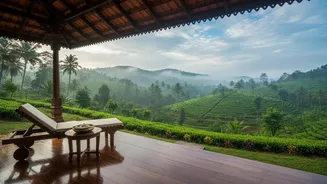
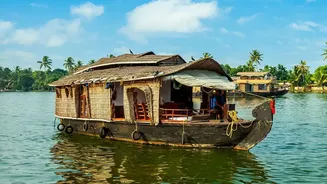
to a silent epidemic of burnout, with many seeking escapes that offer more than just a change of scenery. The desire is no longer for a trip packed with sightseeing, but for a genuine reset. This has fueled a turn towards wellness travel, where the goal is not to do more, but to do less and heal more. They are looking for authenticity, for practices rooted in tradition that can counterbalance the frenetic pace of modern life. This search is leading them to the lush, rain-swept landscapes of Kerala, not for its backwaters alone, but for its profound tradition of Ayurvedic healing.
Why Monsoon is Ayurveda’s Magic Hour
In Ayurveda, the monsoon season, known as 'Varsha Ritu', is considered the most potent time for therapeutic treatments. This specific period in the Malayalam calendar, from mid-July to mid-August, is called 'Karkidakam'. According to classical texts, this is when the body's digestive and metabolic fire, or 'Agni', is at its weakest, making it vulnerable to imbalances. Paradoxically, this vulnerability is also an opportunity. The cool, moist, and dust-free atmosphere of the monsoon helps to soften the body's tissues and open its channels ('srotas'). This makes the skin exceptionally receptive to medicated oils and herbal treatments, allowing them to penetrate deeper and work more effectively. The environment itself encourages rest and introspection, creating the ideal conditions for the body to detoxify, repair, and rejuvenate.
The Rituals of Karkidaka Chikitsa
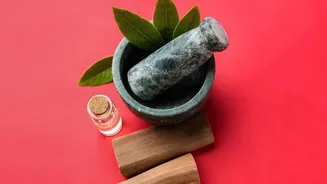
The monsoon treatment regimen, or 'Karkidaka Chikitsa', is far from a generic spa package. It is a highly personalized and comprehensive system of healing prescribed by an Ayurvedic physician. At its core is often 'Panchakarma', a five-fold detoxification process designed to cleanse the body of metabolic waste ('Ama'). This can involve therapies like 'Abhyanga', a rhythmic massage with warm medicated oils to nourish the skin and soothe the nervous system, and 'Swedana', a herbal steam bath that helps release toxins. Other specialized treatments include 'Shirodhara', where a continuous stream of warm oil is poured over the forehead to calm the mind, and 'Pizhichil', a gentle massage combined with a continuous flow of oil over the body. These therapies are not just about surface-level relaxation; they are designed to restore the fundamental balance of the body's energies, known as 'doshas'.
Healing from the Inside Out
A crucial component of Karkidaka Chikitsa is the diet, or 'Pathyam'. Patients are given a carefully planned menu of simple, easily digestible foods that support the detoxification process. A cornerstone of this diet is the 'Karkidaka Kanji', a special medicinal rice porridge cooked with a blend of herbs and spices. This nourishing gruel is designed to strengthen digestion, boost immunity, and aid the body's healing journey. For millennials accustomed to quick meals and takeout culture, this mindful approach to eating becomes a core part of the healing. It’s a full-system reset that addresses not just physical symptoms of stress but also the lifestyle habits that contribute to it, offering a structured path back to balance that a typical vacation cannot provide.
The Appeal of an Authentic Antidote
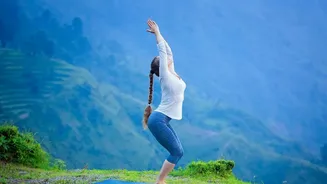
For overworked young professionals, the appeal of Karkidaka Chikitsa lies in its authenticity and holistic approach. It offers a structured digital detox and a tangible connection to nature and tradition—a powerful antidote to the alienation of modern urban life. This isn't a quick fix or a superficial wellness trend; it is a deep, time-tested science of rejuvenation that demands patience and discipline. By surrendering to this ancient rhythm of healing during Kerala's magical monsoon, millennials are not just escaping burnout. They are actively investing in their long-term well-being, learning to listen to their bodies, and finding a sustainable form of rest that continues to nourish them long after the rains have subsided.