




The Rise of the Experience-Seeker
Today’s Indian traveller, particularly millennials and Gen Z, is driven by a desire for more than just a vacation; they want an experience. According to recent travel industry reports, this demographic is prioritising authentic cultural immersion, personal
discovery, and unique activities over traditional, itinerary-led holidays. This shift is fuelling a boom in the experiential travel market, which is projected to reach USD 45 billion by 2027. Rather than simply viewing monuments, travellers are seeking to engage with destinations on a deeper level, whether through culinary trails, heritage stays, or adventure sports. This mindset has created the perfect conditions for skill-based activities like scuba diving to move from a niche hobby to a mainstream travel goal.
India’s Coastline: A New Adventure Circuit
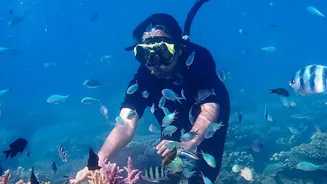
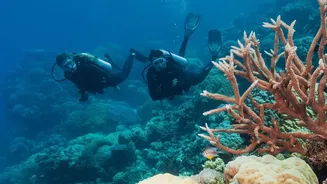
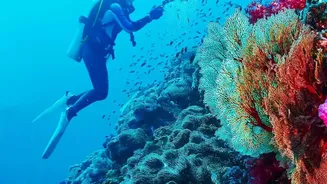
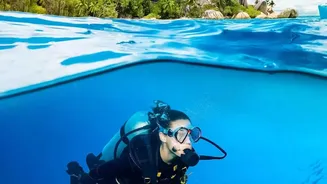
For years, India’s vast coastline was primarily seen as a destination for beach relaxation. Now, it's emerging as a diverse underwater adventure circuit. The Andaman and Nicobar Islands, long the crown jewel of Indian diving, offer world-class coral reefs and visibility comparable to Southeast Asian hotspots. Meanwhile, the pristine atolls and lagoons of Lakshadweep provide a quieter, more untouched experience. But the trend extends to the mainland, too. Goa offers accessible wreck and reef diving perfect for beginners, while Pondicherry is becoming a hub for both recreational and more advanced technical diving. Newer sites are also gaining attention, including Netrani Island in Karnataka and coastal spots in Kerala, each adding a unique flavour to the country's growing dive portfolio.
Making the Deep More Accessible
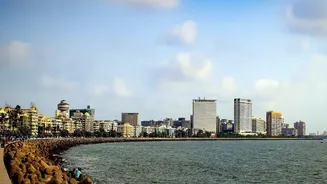
What was once an extreme sport reserved for a handful of experts is now more accessible than ever. A key driver is the growth of professional dive infrastructure. The number of certified dive centres has multiplied over the last decade, with major organisations like PADI (Professional Association of Diving Instructors) now having a significant presence across the country, from the islands to cities like Mumbai and Bengaluru. This has made training safer and more standardized. Furthermore, PADI has recently launched its Open Water Diver course in Hindi, breaking down language barriers that may have previously discouraged aspiring divers. Improved connectivity to island destinations and the availability of beginner-friendly 'try dives' have also lowered the barrier to entry, allowing curious travellers to get a taste of the underwater world without committing to a full certification course.
Beyond the Thrill: Conservation and Connection
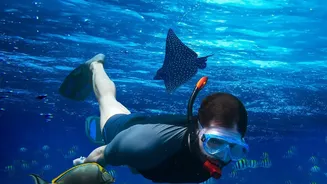
The appeal of underwater exploration goes beyond the adrenaline rush; it taps into a growing desire for connection with nature and a rising tide of eco-consciousness. For many, learning to dive is not just about the activity itself but about gaining access to and understanding a fragile, hidden ecosystem. This aligns with a broader trend of sustainable tourism, where travellers seek to have a positive impact on the places they visit. Diving fosters a unique sense of environmental awareness. Being immersed in a coral reef ecosystem, witnessing its beauty and its vulnerability firsthand, often transforms a tourist into a passionate advocate for marine conservation. As government bodies and operators work to open new, sustainable dive sites, such as the recently announced locations in North Andaman, the focus is increasingly on balancing tourism with protection.