



India's First Window to the Cosmos
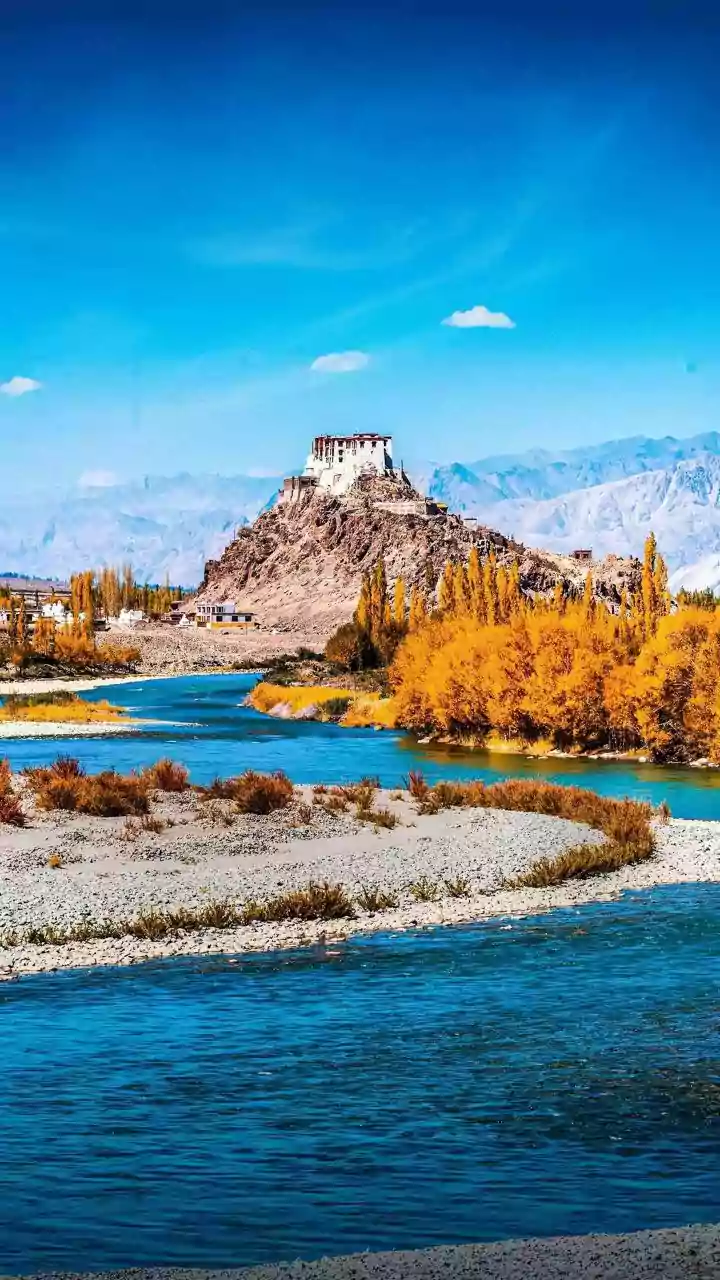
In the remote Changthang region of Ladakh, the small village of Hanle has become a global destination for a very specific reason: its profound darkness. In December 2022, a 22-kilometre radius around Hanle was officially designated as India's first Dark
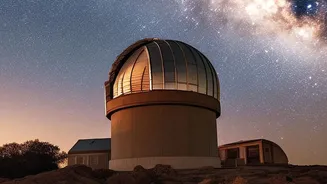
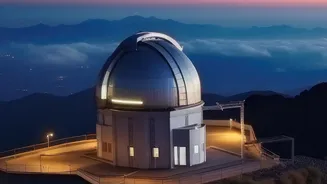
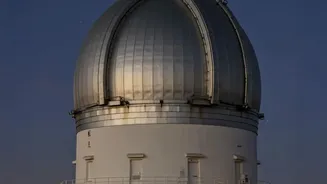
Sky Reserve. This formal recognition protects its pristine night skies from light pollution, preserving an unparalleled view of the heavens. Hanle isn’t just a sanctuary for casual stargazers; it’s a critical site for science. It is home to the Indian Astronomical Observatory (IAO), one of the highest-altitude observatories in the world, operated by the Indian Institute of Astrophysics. The very same conditions that make it perfect for powerful telescopes—clear air, high altitude, and minimal atmospheric disturbance—also make it a paradise for anyone wanting to witness the cosmos with their own eyes.
What is a Dark Sky Reserve?
A Dark Sky Reserve is more than just a place with no streetlights. It is an internationally recognized area where the quality of the night sky is exceptional and is protected for its scientific, natural, and cultural value. The designation involves a partnership between communities, local governments, and scientific bodies to manage outdoor lighting responsibly. This includes using shielded lights, warmer colour temperatures, and ensuring light is directed only where needed. In Hanle, this means regulations extend to village lighting and even the headlights of passing vehicles to prevent any spillover that could compromise the darkness. The goal is to combat the pervasive creep of light pollution, which not only obscures our view of the stars but also disrupts ecosystems and human health. Hanle has a Bortle 1 sky rating, the darkest classification possible, placing it in an elite category of stargazing sites worldwide.
High Altitude, Crystal Views
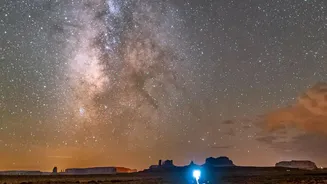
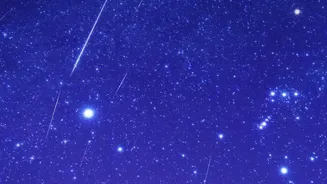
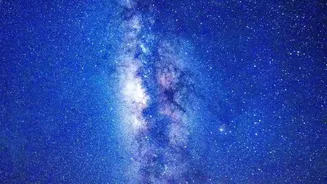
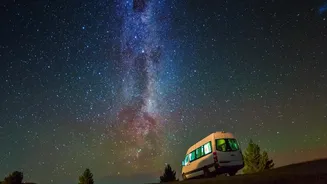
Hanle’s unique geography is the secret to its celestial magic. Situated at an altitude of 4,500 metres (nearly 15,000 feet) in the rain shadow of the Himalayas, the village experiences over 250 to 300 clear, cloudless nights a year. The thin, dry air at this elevation results in minimal atmospheric distortion, allowing starlight to travel to our eyes with stunning clarity. This is why the Indian Institute of Astrophysics chose this remote location for the IAO, which houses the two-metre Himalayan Chandra Telescope, among others. For visitors, this translates into an unforgettable experience. The Milky Way is not a faint, hazy band but a bright, textured river of light, so clear it appears to have depth. Planets, nebulae, and even neighboring galaxies become visible, offering a humbling perspective on our place in the universe.
Astro-Tourism and Local Empowerment
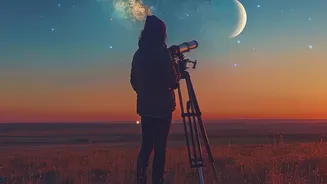
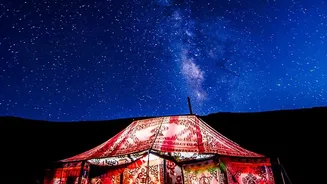
The creation of the Hanle Dark Sky Reserve is a powerful example of science-driven sustainable development. The initiative is a collaboration between scientists and the local community, designed to create economic opportunities through astro-tourism. The Indian Institute of Astrophysics and local authorities have trained dozens of residents, many of them women, to become 'Astronomy Ambassadors'. Equipped with telescopes and knowledge of the night sky, these guides lead stargazing sessions for tourists, sharing both scientific facts and cultural stories. This approach ensures that the benefits of tourism are rooted in the community, providing a sustainable livelihood that aligns with the goal of preservation. Homestays have flourished, allowing visitors to immerse themselves in the local Changpa culture while contributing directly to the local economy. This symbiotic relationship fosters a sense of ownership and pride, making locals the most dedicated guardians of their dark skies.
Planning Your Cosmic Journey
A trip to Hanle requires planning, as it is a remote and high-altitude destination. The best time to visit for stargazing is from May to September, when the weather is more accessible. Travellers must obtain an Inner Line Permit to visit the area. The journey from Leh, the capital of Ladakh, is an adventure in itself, a roughly seven to eight-hour drive through the starkly beautiful Changthang plateau. Acclimatization to the altitude is crucial, with experts recommending at least 48 hours in Leh before proceeding to Hanle. For the ultimate experience, visitors should time their trip to coincide with the new moon, when the absence of moonlight reveals the faintest stars and the full, glorious arc of the Milky Way. But whether you are a seasoned astrophotographer or simply a curious soul, the reward is a profound connection to the night sky in one of the last truly dark places on Earth.